eISSN: 2379-6367


Research Article Volume 13 Issue 4
1Department of Pharmacology and Traditional Medicine, Faculty of Medicine and Biomedical Sciences,Yaound I University, Cameroon
2Department of Galenical Pharmacy and Legislation, Faculty of Medicine and Biomedical Sciences,Yaound I University, Cameroon
3Department of Internal Medicine, Dermatology, Faculty of Medicine and Biomedical Sciences,Yaound I University, Cameroon
4Department of Pharmacotoxicology and Pharmacokinetics, Faculty of Medicine and Biomedical Sciences,Yaound I University, Cameroon
Correspondence: Ngono Mballa Rose, Department of Pharmacology and Traditional Medicine, Faculty of Medicine and Biomedical Sciences, University of Yaoundé, Cameroon, Tel +237690838443
Received: March 28, 2025 | Published: August 18, 2025
Citation: Lucrèce NAS, Rose NM, Minyem A, et al. Knowledge of traditional medicine for managing 5 common dermatoses in Yaoundé, Cameroon: a community-based cross-sectional study. Pharm Pharmacol Int J. 2025;13(4):134-140. DOI: 10.15406/ppij.2025.13.00477
Introduction: Skin diseases like scabies, ringworm, and acne are prevalent public health concerns in Cameroon and across Africa affecting African populations, yet healthcare access remains limited. Traditional medicine (TM) is a primary recourse for management.1 This study evaluated Yaoundé residents’ knowledge of both disease recognition and traditional treatments for five dermatoses: tartar (pityriasis versicolor), ringworm (tinea), scabies, acne, and diaper rash.
Objective: To assess the knowledge of the population of the city of Yaoundé regarding the community management of 5 common dermatoses.
Methodology: A cross-sectional KAP survey was conducted among 205 adults recruited from eight formal markets in Yaoundé (February–May 2024). Participants were included if they had experience with at least one of the five dermatoses and a written informed consent was obtained prior to participation. Knowledge was assessed via a structured questionnaire, with levels categorized as poor (<25% correct), insufficient (25–50%), average (50–85%), or good (>85%). The data were analyzed using SPSS 26.
Results: The median age was 34 years, with a predominance of women (60.49%) and a M/F sex ratio of 0.65. Participants' knowledge levels of the 5 dermatosis varied: ringworm (80%), diaper rash (47%), tartar (45%), acne (37%), and scabies (31%). Only 27.9% could identify traditional remedies for ringworm; 46.8% knew treatments for diaper rash.
Conclusion: Community knowledge about these dermatoses is uneven, often based on personal experience and traditional knowledge. These findings support the need for health education and validation of effective traditional remedies.
Keywords: knowledge, dermatoses, traditional medicine, community management, Yaoundé
Skin diseases are still a major public health problem in all developing countries in the 21st century.2 However, half of these countries do not have a sufficient number of dermatologists and this results in low coverage of dermatological care for the population.3 Hospital-based studies in Yaoundé confirm dermatoses as a leading cause of morbidity, with fungal infections (32.37%) and acne (7.7%) representing prevalent cases.4 Our community data aligns with these trends, showing high recognition of ringworm (80%) but lower awareness of scabies (31%), mirroring West African patterns where infectious dermatoses dominate (92.12%).5
These conditions were chosen based on:
Prevalence: Top causes of dermatological morbidity in Cameroon (per hospital records.4
TM use: Highest demand for traditional remedies (validated by local healers).6
WHO priority: Scabies and ringworm are neglected tropical diseases.5
Pharmaceutical context: While allopathic treatments (e.g., permethrin for scabies) exist, the reliance on TM for dermatological care reflects broader regional practices, with 211 plant species documented for skin treatments in West Africa.7 Cameroon’s efforts to integrate TM into primary healthcare,6 further validate its role, though clinical trials are needed to standardize remedies like those for ringworm (known by only 27.9% of our participants).
According to the WHO,1 traditional medicine (TM) has been the only health care system available for centuries for the prevention, diagnosis and treatment of social, mental and physical diseases. TM in Cameroon, as elsewhere in Africa, is recognized as one of the 3 sub-sectors of the Cameroonian health system. We therefore thought of conducting a survey on knowledge of the common pathologies encountered in our environment (research and requests for care in hospitals) in order to identify the recipes traditionally used in the management of common dermatoses.
This is a descriptive cross-sectional study of the Knowledge, Attitudes and Practices (KAP) type. The study took place in 8 formal markets that were the subject of a choice of convenience (Mokolo, Etoudi, Mvog-beti, Ekounou, Atangana Mballa, Elig edzoa, Mfoundi and Marché Central) in the city of Yaoundé. Our study was conducted over a period of 08 months from November 2023 to June 2024. Our data was collected over a period of 04 months from February 2024 to May 2024.
The study population was made up of the adult populations of Yaoundé frequenting the identified markets; It was about the shopkeepers and their customers.
Inclusion and exclusion criteria
Included in this study were anyone who had experience with at least one of the 05 common dermatological pathologies; 18 years of age and older, who have used ethno drugs for the treatment of dermatosis for the family and friends or for themselves, and who have given informed consent for the study. However, anyone who opted out of the study was excluded from this study.
Sampling
The sample size was estimated taking into account the proportion of the level of knowledge on the use of ethnomedicines.
A non-probabilistic consecutive sampling approach was employed. Trained interviewers approached potential participants directly within the selected markets. The sample size was determined using Cochran’s formula, assuming a 50% prevalence rate, a 5% margin of error, and a 95% confidence interval, resulting in a target of 240 participants. The final sample comprised 205 respondents, yielding a response rate of 86%.
List of variables
Socio-demographic profile
Procedure
Data collection
Data were collected using a structured questionnaire divided into four sections: sociodemographic profile, knowledge, attitudes, and practices related to dermatoses and their management. The questionnaire was digitized using Kobo Collect for efficient data entry via smartphones.
Validation
Ethical considerations
The study received ethical approval from the Institutional Ethics and Research Committee of the University of Yaoundé I and authorization from the Regional Delegation of Public Health. Participants were provided with detailed information sheets outlining the study’s objectives, potential risks and benefits, and their rights, including the right to withdraw at any time. Written informed consent was obtained prior to participation.
Data analysis
Composite scores for knowledge, attitudes, and practices were calculated using a weighted scoring system adapted from Essi et al.8
For knowledge analysis, each disease has 7 aspects to evaluate, or 7 points in total. Depending on the final number of correct answers, the level of knowledge is:
The databases were exported and cleaned using Excel software. Quantitative variables were described using medians (IQR) and categorical variables using proportions. The analysis was done using SPSS 26 software.
This chapter is presented in 3 sections: the population recruitment pattern, the sociodemographic profile, and the assessment of knowledge on the 5 dermatoses.
Recruitment
The recruitment was done among the populations in 08 formal markets of the city of Yaoundé.
A total of 205 people were recruited, i.e. a response rate of 86%. The structure of the population is illustrated in the following table. Table 1
|
Walk |
Health District |
Target |
Realization |
Blanket (%) |
|
Etoudi |
DS Djoungolo |
30 |
30 |
100 |
|
Elig-edzoa |
DS Djoungolo |
30 |
30 |
100 |
|
Mokolo |
DS of the green city |
40 |
40 |
100 |
|
Mvog-beti |
DS of Biyem Assi |
20 |
20 |
100 |
|
Mvog Atangana Mballa |
DS Nkoldongo |
30 |
30 |
100 |
|
Ekounou |
Odza DS |
30 |
30 |
100 |
|
Central Market |
DS Djoungolo |
30 |
10 |
33 |
|
Mfoundi |
DS Djoungolo |
30 |
15 |
50 |
|
Total |
240 |
205 |
86 |
Table 1 Sample structure
Sociodemographic characteristics
Regarding sociodemographic characteristics, the sex ratio M/F was 0.65. The median age was 34 (26-46) years, with extremes ranging from 21 to 75 years. The most represented age groups were 18-28 and 28-38 with both a total of 61 (or 29.8%). Most participants were traders (37.6%), single (45.9%) and secondary-educated (45.9%). Table 2
|
Variables |
Staff (n) |
Frequency (%) |
|
Median age (IQR) |
34 (26 - 46) |
|
|
Age groups |
|
|
|
[18;28] |
61 |
29.80% |
|
[28;38] |
61 |
29.80% |
|
[38;48] |
34 |
16.60% |
|
[48;58] |
32 |
15.60% |
|
[58;68] |
11 |
5.40% |
|
68 years and older |
6 |
2.90% |
|
Total |
205 |
100 |
|
Sex |
||
|
Female |
124 |
60.50% |
|
Male |
81 |
39.50% |
|
Level of education |
|
|
|
Not in school |
6 |
2.90% |
|
Primary level |
39 |
19.00% |
|
Secondary level |
94 |
45.90% |
|
University level |
66 |
32.20% |
|
Occupation |
|
|
|
Farmer |
27 |
13.20% |
|
Artisan |
6 |
2.90% |
|
Trader |
77 |
37.60% |
|
Breeder |
9 |
4.30% |
|
Employee |
30 |
14.60% |
|
Student |
29 |
14.20% |
|
Other |
27 |
13.20% |
|
Marital status |
|
|
|
Bachelor |
94 |
45.90% |
|
Divorce |
8 |
3.90% |
|
Married |
82 |
40.00% |
|
Widow/widower |
21 |
10.30% |
Table 2 Socio-demographic characteristics of the study population
Level of knowledge assessment
Knowledge of the ringworm
The respondents' level of knowledge of the stinger was assessed and the frequencies are represented in the tables below:
In Table 3, most of participants (45.4%) had an estimated "average" level of knowledge, particularly for the age group of 28-38 concerned, at 49.18%. Only 27.9% had a level of knowledge rated "Good".
|
Bad |
Insufficient |
Average |
Good |
Total |
|
|
Age groups |
Number of employees: n (Percentage: %) |
||||
|
[18;28] |
7 (11.5%) |
11 (18.0%) |
25 (41%) |
18 (29.5%) |
61 (100%) |
|
[28;38] |
3 (4.9%) |
9 (14.8%) |
30 (49.2%) |
19 (31.2%) |
61 (100%) |
|
[38;48] |
2 (5.9%) |
5 (14.7%) |
15 (44.1%) |
12 (35.3%) |
34 (100%) |
|
[48;58] |
4 (12.5%) |
7 (21.9%) |
16 (50%) |
5 (15.6%) |
32 (100%) |
|
[58;68] |
4 (36.4%) |
3 (27.3%) |
2 (18.2%) |
2 (18.2%) |
11 (100%) |
|
68 years and older |
0 (0%) |
0 (0%) |
5 (83.3%) |
1 (16.7%) |
6 (100%) |
|
Total |
20 (9.8%) |
35 (17.1%) |
93 (45.4%) |
57 (27.8%) |
205 (100%) |
Table 3 Age and level of knowledge about the ringworm
The level of knowledge about ringworm was assessed according to the gender of the respondents in Table 4:
|
Bad |
Insufficient |
Average |
Good |
Total |
|
|
Female |
12 (9.7%) |
24 (19.4%) |
59 (47.6%) |
29 (23.4%) |
124 (100%) |
|
Male |
8 (9.9%) |
11 (13.6%) |
34 (42%) |
28 (34.6%) |
81 (100%) |
Table 4 Sex and level of knowledge about ringworm
In Table 5 below, we attempted to demonstrate the impact of the respondents' level of education on knowledge;
|
Bad |
Insufficient |
Average |
Good |
Total |
|
|
Not in school |
4 (66.7%) |
1 (16.7%) |
0 (0%) |
1 (16.7%) |
6 (100%) |
|
Primary level |
4 (10.3%) |
13 (33.3%) |
17 (43.6%) |
5 (12.8%) |
39 (100%) |
|
Secondary level |
9 (9.6%) |
18 (19.2%) |
39 (41.5%) |
28 (29.8%) |
94 (100%) |
|
University level |
3 (4.6%) |
3 (4.6%) |
37 (56.1%) |
23 (34.9%) |
66 (100%) |
Table 5 Level of education and level of knowledge about ringworm
The Figure 1 below shows the overall level of knowledge about ringworm. The majority (45%) had a level of knowledge estimated as "average."
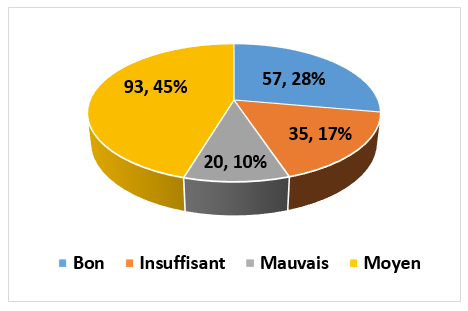
Figure 1 Level of knowledge on ringworm.
Knowledge about ringworm
The levels of knowledge about ringworm among the respondents were assessed and the frequencies are represented in the tables below:
Regarding ringworm, the estimated level of knowledge was "average" for most of participants (79.5%). Only 1.5% of participants had a "good" level of knowledge and were concentrated in the 68 and over age group. The "poor" level of knowledge concerned 4.9% of participants, particularly among the youngest 18-28 year olds (9.8%) and among 48-58 year olds (9.2%). Table 6
|
Bad |
Insufficient |
Average |
Good |
Total |
|
|
Age groups |
n (%) |
||||
|
[18;28] |
6 (9.8%) |
9 (14.8%) |
46 (75.4%) |
0 (0%) |
61 (100%) |
|
[28;38] |
1 (1.6%) |
8 (13.1%) |
52 (85.3%) |
0 (0%) |
61 (100%) |
|
[38;48] |
0 (0%) |
3 (8.8%) |
30 (88.2%) |
1 (2.9%) |
34 (100%) |
|
[48;58] |
3 (9.4%) |
7 (21.9%) |
22 (68.8%) |
0 (0%) |
32 (100%) |
|
[58;68] |
0 (0%) |
1 (9.1%) |
10 (90.9%) |
0 (0%) |
11 (100%) |
|
68 years and older |
0 (0%) |
1 (16.7%) |
3 (50%) |
2 (33.3%) |
6 (100%) |
|
Total |
10 (4.9%) |
29 (14.2%) |
163 (79.5%) |
3 (1.5%) |
205 (100%) |
Table 6 Age and level of knowledge about ringworm
Regarding the level of knowledge about ringworm and the sex of the respondents, the results are presented in Table 7:
|
Bad |
Insufficient |
Average |
Good |
Total |
|
|
Female |
6 (4.8%) |
18 (14.5%) |
97 (78.2%) |
3 (2.4%) |
124 (100%) |
|
Male |
4 (4.9%) |
11 (13.6%) |
66 (81.5%) |
0 (0%) |
81 (100%) |
Table 7 Gender and level of knowledge about ringworm
Regarding the knowledge of ringworm according to gender, we observed that the proportion of men with an "average" level of knowledge was higher than that of women with the equivalent level of knowledge with 81.5% and 78.2% respectively.
Regarding the level of knowledge according to the level of education, the results are recorded in Table 8 below:
|
Bad |
Insufficient |
Average |
Good |
Total |
|
|
Not in school |
2 (33.3%) |
1 (16.7%) |
2 (33.3%) |
1 (16.7%) |
6 (100%) |
|
Primary level |
2 (5.1%) |
7 (18%) |
30 (76.9%) |
0 (0%) |
39 (100%) |
|
Secondary level |
4 (4.3%) |
16 (17.0%) |
73 (77.7%) |
1 (1.1%) |
94 (100%) |
|
University level |
2 (3.0%) |
5 (7.6%) |
58 (87.9%) |
1 (1.5%) |
66 (100%) |
Table 8 Level of education and level of knowledge about ringworm
Regarding knowledge of ringworm and according to the level of education, it is noted that knowledge was predominantly "Average" for all levels of education. However, among university students, 87.9% of participants were concerned, while among those without education, it was rather 33.3% who achieved these "poor" knowledge scores.
Figure 2 shows the overall level of knowledge of respondents about ringworm. It shows that 80% had an average level.
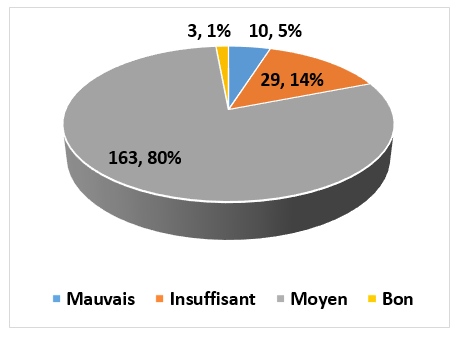
Figure 2 Level of knowledge about ringworm.
Knowledge about scabies
Regarding the level of knowledge about scabies:
Based on age, we observed that the overall knowledge of scabies for all age groups was "Insufficient", particularly the 28-38 age group, which was represented at 80.3%. Only 20% of respondents had a "Medium" level of knowledge. The youngest age group (18-28) showed a "Poor" level of knowledge at 16.4%. Table 9
|
Bad |
Insufficient |
Average |
Good |
Total |
|
|
Age groups |
n (%) |
||||
|
[18;28] |
10 (16.4%) |
35 (57.4%) |
16 (26.2%) |
0 (0%) |
61 (100%) |
|
[28;38] |
4 (6.6%) |
49 (80.3%) |
8 (13.1%) |
0 (0%) |
61 (100%) |
|
[38;48] |
1 (2.9%) |
25 (73.5%) |
8 (23.5%) |
0 (0%) |
34 (100%) |
|
[48;58] |
4 (12.5%) |
22 (68.8%) |
6 (18.8%) |
0 (0%) |
32 (100%) |
|
[58;68] |
1 (9.1%) |
8 (72.7%) |
2 (18.2%) |
0 (0%) |
11 (100%) |
|
68 years and older |
3 (50%) |
2 (33.3%) |
1 (16.7%) |
0 (0%) |
6 (100%) |
|
Total |
23 (11.2%) |
141 (68.8%) |
41 (20%) |
0 (0%) |
205 (100%) |
Table 9 Age and level of knowledge about scabies
Regarding the level of knowledge about scabies and the sex of the respondents, the results are presented in Table 10:
|
Bad |
Insufficient |
Average |
Good |
Total |
|
|
Female |
14 (11.3%) |
84 (67.7%) |
26 (21%) |
0 (0%) |
124 (100%) |
|
Male |
9 (11.1%) |
57 (70.4%) |
15 (18.5%) |
0 (0%) |
81 (100%) |
Table 10 Gender and level of knowledge about scabies
It is noted that the number of men with an "insufficient" level of knowledge was higher than that of women with an equivalent level of knowledge with 70.4% and 67.7% respectively.
Regarding the level of knowledge about the level of education represented in Table 11:
|
Bad |
Insufficient |
Average |
Good |
Total |
|
|
Not in school |
1 (16.7%) |
4 (66.7%) |
1 (16.7%) |
0 (0%) |
6 (100%) |
|
Primary level |
3 (7.7%) |
27 (69.2%) |
9 (23.1%) |
0 (0%) |
39 (100%) |
|
Secondary level |
13 (13.8%) |
63 (67.0%) |
18 (19.2%) |
0 (0%) |
94 (100%) |
|
University level |
6 (9.1%) |
47 (71.2%) |
13 (19.7%) |
0 (0%) |
66 (100%) |
Table 11 Level of education and level of knowledge about scabies
A majority of the respondents observed an "Insufficient" level of knowledge for all levels of study, however, it was predominant among university students at 71.2%. However, 23.1% of primary school respondents had an "Average" level of knowledge.
Figure 3 illustrates the overall level of knowledge about scabies:
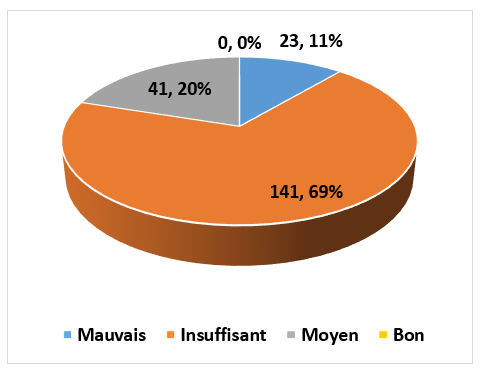
Figure 3 Level of knowledge about scabies.
We observed that 69% of the population had an "insufficient" level of knowledge regarding scabies. 20% had an average level of knowledge.
Knowledge about Acne
Respondents were also assessed on their level of knowledge about acne; the results are recorded in the tables below:
For the level of knowledge about acne by age, we observed a majority of "Poor" level of knowledge at 37.1%, of which 42.6% represented the youngest age group. Only 3.9% of participants had a "Good" level of knowledge about acne (Table 12).
|
Bad |
Insufficient |
Average |
Good |
Total |
|
|
Age groups |
n (%) |
||||
|
[18;28] |
26 (42.6%) |
14 (22.9%) |
20 (32.8%) |
1 (1.6%) |
61 (100%) |
|
[28;38] |
23 (37.7%) |
12 (19.7%) |
23 (37.7%) |
3 (4.9%) |
61 (100%) |
|
[38;48] |
10 (29.4%) |
13 (38.2%) |
8 (23.5%) |
3 (8.8%) |
34 (100%) |
|
[48;58] |
11 (34.4%) |
8 (25%) |
12 (37.5%) |
1 (3.1%) |
32 (100%) |
|
[58;68] |
4 (36.4%) |
5 (45.5%) |
2 (18.2%) |
0 (0%) |
11 (100%) |
|
68 years and older |
2 (33.3%) |
1 (16.7%) |
3 (50%) |
0 (0%) |
6 (100%) |
|
Grand total |
76 (37.1%) |
53 (25.9%) |
68 (33.2%) |
8 (3.9%) |
205 (100%) |
Table 12 Age and level of knowledge about acne
Regarding the level of knowledge according to gender:
It is noted that 51.9% of men have a "Poor" level of knowledge compared to only 27.4% of women. However, 34.7% of women have an "Average" level of knowledge about acne. Table 13
|
Bad |
Insufficient |
Average |
Good |
Total |
|
|
Female |
34 (27.4%) |
40 (32.3%) |
43 (34.7%) |
7 (5.7%) |
124 (100%) |
|
Male |
42 (51.9%) |
13 (16.1%) |
25 (30.9%) |
1 (1.2%) |
81 (100%) |
Table 13 Gender and level of knowledge about acne
Regarding the level of knowledge according to the level of study represented in the Table 14 below:
|
Bad |
Insufficient |
Average |
Good |
Grand total |
|
|
Not in school |
4 (66.7%) |
1 (16.7%) |
1 (16.7%) |
0 (0%) |
6 (100%) |
|
Primary level |
12 (30.8%) |
12 (30.8%) |
15 (38.5%) |
0 (0%) |
39 (100%) |
|
Secondary level |
40 (42.6%) |
27 (28.7%) |
22 (23.4%) |
5 (5.3%) |
94 (100%) |
|
University level |
20 (30.3%) |
13 (19.7%) |
30 (45.5%) |
3 (4.6%) |
66 (100%) |
Table 14 Level of education and level of knowledge about acne
Regarding university level, 45.5% had a "Medium" level of knowledge about acne. 42.6% of participants with a secondary education showed a "Poor" level of knowledge.
Regarding Figure 4, the overall level of knowledge about scabies was mostly estimated as poor at 37%. However, 33% had an “average” level of knowledge.
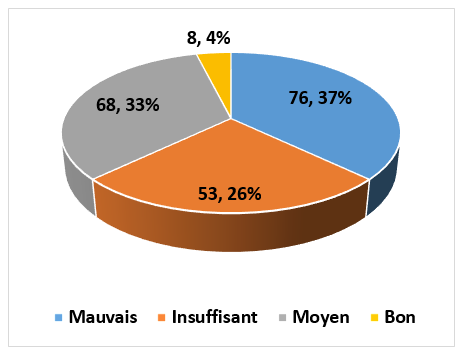
Figure 4 Level of knowledge about acne.
Knowledge about Diaper rash
Regarding diaper rash, the assessment of respondents' knowledge is presented in the tables below:
Regarding the level of knowledge of diaper rash according to age, the results obtained are shown in the Table 15;
|
Bad |
Insufficient |
Average |
Good |
Total |
|
|
Age groups |
n (%) |
||||
|
[18;28] |
24 (39.3) |
9 (14.8 |
11 (18.0) |
17 (27.9) |
61 (100) |
|
[28;38] |
6 (9.8) |
5 (8.2) |
18 (29.5) |
32 (52.5) |
61 (100) |
|
[38;48] |
2 (5.9) |
1 (2.9) |
10 (29.4) |
21 (61.8) |
34 (100) |
|
[48;58] |
2 (6,3) |
2 (6,3) |
12 (37.5) |
16 (50) |
32 (100) |
|
[58;68] |
2 (18.2) |
0 (0) |
3 (27.3) |
6 (54.6) |
11 (100) |
|
68 years and older |
1 (16.7) |
0 (0) |
1 (16.7) |
4 (66.7) |
6 (100) |
|
Total |
37 (18.1) |
17 (8.3) |
55 (26.8) |
96 (46.8) |
205 (100) |
Table 15 Age and level of knowledge about diaper rash
Most of the participants had a "Good" level of knowledge at 46.8% with the age group of 68 years and over at 66.7%. It is noted that 39.3% of the younger ones (18-28) demonstrated a "Poor" level of knowledge on diaper rash.
Table 16 shows the variations in the level of knowledge according to gender;
|
Bad |
Insufficient |
Average |
Good |
Total |
|
|
Female |
17 (13.7) |
7 (5.7) |
33 (26.6) |
67 (54.0) |
124 (100) |
|
Male |
20 (24.7) |
10 (12.4) |
22 (27.2) |
29 (35.8) |
81 (100) |
Table 16 Gender and level of knowledge about diaper rash
The proportion of women with a knowledge level estimated as "Good" (54.0%) was far higher than that of men (35.8%). However, 24.7% of the proportion of men had a "Poor" level of knowledge.
The Table 17 below shows that 53.2% of secondary school students had a "Good" level of knowledge about diaper rash. It is also noted that up to 24.2% of university students had a "Poor" level of knowledge about this dermatosis (Figure 5).
|
Bad |
Insufficient |
Average |
Good |
Total |
|
|
Not in school |
1 (16.7) |
1 (16.7) |
3 (50) |
1 (16.7) |
6 (100) |
|
Primary level |
4 (10.3) |
3 (7,7) |
17 (43.6) |
15 (38.5) |
39 (100) |
|
Secondary level |
16 (17.0) |
8 (8.5) |
20 (21.3) |
50 (53.2) |
94 (100) |
|
University level |
16 (24.2) |
5 (7.6) |
15 (22.7) |
30 (45.5) |
66 (100) |
Table 17 Level of education and level of knowledge on diaper rash
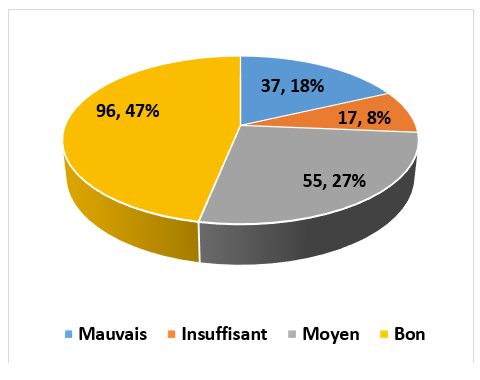
Figure 5 Level of knowledge about diaper rash.
Limits of the study
Among the limitations of the study, we can cite the fact that in this particularly "busy" but very busy environment, a market, we were unable to reach the expected number of participants. Nevertheless, we were able to reach 85% of the target. Another reason is the scarcity of published articles dealing with this subject.
Sociodemographic profile
Our study involved all adults who had experienced one of the 5 pathologies and who had used traditional medicine. The sex ratio M/F was 1.53. This trend could be explained by the fact that generally, in African communities, women, as mothers, had the responsibility of providing primary health care to family members, especially children. This observation was also made by Diatta et al.9
The population's age ranged from 21 to 75 years, with a median age of 34 (26-46) years.
Regarding occupation, most of participants were traders (37.6%), single (45.9%), and secondary-educated (45.9%). Our results could be explained by the locations chosen for the study. Indeed, the market being their workplace, traders were most willing to continue the survey. The need to be financially independent and to be able to provide for the family is also a very common reason for dropping out of higher education.
Knowledge
Regarding knowledge levels, most of participants had an average level of knowledge about ringworm, with high percentages (90.9%) in the age group [58; 68]. This demonstrates that knowledge is acquired with age. The good level of knowledge was very low, while a significant number of participants had an insufficient level of knowledge. The educational level of the respondents had an influence on their knowledge levels about ringworm. Overall, those with a university level tended to have higher levels of knowledge than those with a secondary level, both for average and good levels of knowledge about ringworm.
It was clearly noted that most of participants had an average level of knowledge about ringworm, while very few had a good level of knowledge. Older age groups tended to have a better distribution between average and good levels of knowledge, perhaps suggesting an accumulation of knowledge with age or greater awareness among older people; furthermore, the vast majority of participants, whether male or female, had an average level of knowledge about ringworm. Furthermore, average levels of knowledge about ringworm were generally high among respondents, regardless of educational level, with university students having the highest percentage. However, there were gaps in terms of in-depth knowledge (good levels) in all educational groups. The secondary level stood out for a significant percentage of insufficient knowledge, which may require special attention to improve awareness and knowledge about this dermatosis.
The survey revealed a significant knowledge gap about scabies among the respondents, with a high prevalence of inadequate knowledge, especially among young adults (age group 28-38). This highlights the need to improve awareness and education about scabies, especially in younger age groups, for better management and prevention of this dermatological condition. Moreover, most of respondents, regardless of their gender, had an insufficient level of knowledge about scabies. There was a low representation of average knowledge and no cases of good knowledge among the participants. This highlights an urgent need to improve education and awareness about scabies, for both men and women, to better prevent and manage this dermatological disease. It was clearly noted that the level of knowledge about scabies was insufficient across all educational levels of the respondents. Even among individuals with a higher level of education (university level), the prevalence of insufficient knowledge was significant. This highlights a critical need to improve education and awareness about scabies at all levels of society to better prevent, diagnose, and treat this dermatological disease. Improved training could help improve early detection, prevention, and effective treatment of scabies in populations.
Regarding acne, the study highlighted that, regardless of the age of the respondents, there were significant gaps in knowledge about acne. Poor and insufficient knowledge levels predominated, even among older age groups. This highlights the importance of improving public education about acne at all stages of life, in order to improve the prevention, treatment, and effective management of this common dermatological condition. A notable gender difference in knowledge about acne was also highlighted: Men showed a greater proportion of insufficient and poor knowledge compared to women. This highlights the fact that women are more concerned about their appearance than men and seek information on ways to treat and remedy the disfiguring effects of acne. Similarly, education level did not significantly improve knowledge about acne among the respondents. Even among those with a university education, the percentage of average knowledge dominated, with significant gaps in the levels of good knowledge. This could be explained by the often considered "benign" nature of this condition.
Table 16 indicates a trend where younger respondents, particularly in the age group [18; 28], showed lower levels of knowledge about diaper rash, with a significant proportion of poor and insufficient knowledge. In contrast, older age groups, particularly [28; 38], [38; 48], [48; 58] and 68 years and above, showed a notable improvement with a prevalence of good knowledge. This suggests the importance of educational programs targeting younger groups to improve the understanding and management of diaper rash. Table 17 highlighted a significant gender disparity in terms of knowledge about diaper rash. Women showed a better understanding of this dermatological condition compared to men, who displayed an overall lower level of knowledge. This difference highlights the importance of raising awareness and educating men as well, who could be of substantial assistance to mothers in carrying out the task of changing diapers. Table 17 highlighted that individuals with a secondary education level had the highest level of knowledge about diaper rash, while those with no schooling and university education had greater variability in their knowledge levels. This suggests that the non-schooled populations may be less confronted with this situation because they lack the means to obtain disposable or cotton diapers. Thus, children live with their bottoms exposed, which unknowingly constitutes a means of prevention and rapid treatment of this condition.
Comparison with existing literature
Ringworm (Tinea)
Most participants possessed an average level of knowledge about ringworm, with higher awareness observed among older individuals and those with university-level education. This aligns with findings from a study in Nigeria, where 67.9% of parents had heard of or seen ringworm infestations, and 98.6% knew the cause of the infection.10 Similarly, in Ethiopia, a study reported that dermatophytosis was more prevalent among adults aged 25–64 years, suggesting increased exposure and awareness with age.11
Scabies
A significant knowledge gap regarding scabies among respondents was noted, with a high prevalence of inadequate knowledge, particularly among young adults. This is consistent with a study conducted in Nigeria, where only 56.7% of parents had heard of or seen scabies infestations, and just over half were aware of its causes and risk factors.10 In Cameroon, research highlighted that scabies remains common, with contributing factors including overcrowding and delayed diagnosis, emphasizing the need for increased public education and healthcare worker training.12
Acne
Our results indicated significant gaps in knowledge about acne across all age groups and educational levels, with men exhibiting lower awareness than women. This gender disparity is supported by studies in Tunisia and Ghana, which found that women are more proactive in seeking information and treatment for acne due to concerns about appearance, whereas men often neglect the condition. The perception of acne as a benign condition may contribute to the overall lack of in-depth knowledge observed.13
Diaper rash
Our research showed that knowledge about diaper rash improved with age and was higher among women. Interestingly, individuals with secondary education demonstrated the highest knowledge levels, while those with no schooling or university education had more variability. This could be attributed to practical caregiving experiences acquired with age and among those with secondary education. Similarly in Ghana, mothers with secondary education levels had better knowledge of diaper dermatitis management compared to those without formal education or with tertiary education.14 Additionally, traditional practices in certain communities, such as leaving children uncovered, may inadvertently prevent diaper rash, reflecting the complex interplay between education, culture, and health practices.15
These comparisons emphasize that knowledge gaps observed in Yaoundé are not isolated and support the relevance of community-based strategies and integration of validated traditional practices across similar regions.
This study highlights that the population of Yaoundé possesses variable and often moderate levels of knowledge regarding common dermatoses, with the highest awareness observed for ringworm and diaper rash, and the lowest for scabies and acne. The reliance on personal experience and traditional knowledge underscores the importance of culturally sensitive health education programs. Enhancing community understanding of these skin conditions is crucial for early recognition and appropriate management, especially in settings where access to dermatological services is limited.
None.
The authors declare that they have no conflicts of interest.
None.

©2025 Lucrèce, et al. This is an open access article distributed under the terms of the, which permits unrestricted use, distribution, and build upon your work non-commercially.