MOJ
eISSN: 2379-6383


Review Article Volume 15 Issue 1
Clinical Director, Borra College of Health Sciences, Dominican University River Forest IL, USA
Correspondence: Julian Ungar-Sargon, MD, PhD, Clinical Director, Borra College of Health Sciences, Dominican University River Forest IL, USA
Received: January 09, 2026 | Published: January 20, 2026
Citation: Ungar-Sargon J. Shattered vessels in the house of healing: The ethical and psychological devastation of Medicaid cuts through the lens of hermeneutic medicine and mystical theology. MOJ Public Health. 2026;15(1):15-22. DOI: 10.15406/mojph.2026.15.00509
This article examines the ethical and psychological consequences of Medicaid funding cuts through the integrated framework of hermeneutic medicine, Jewish mystical theology, and liberation medicine. Drawing on the kabbalistic concept of shevirat ha-kelim (shattering of the vessels), the dialectic of tzimtzum (divine contraction) and Shekhinah consciousness, and the author's published work on therapeutic presence and sacred listening, this study argues that contemporary healthcare policy represents not merely fiscal reallocation but a profound ontological rupture in the covenant between society and its most vulnerable members. The displacement of millions from continuous primary care relationships constitutes what we term a 'therapeutic exile'—a systematic displacement of patients from sacred healing spaces into the fragmented, episodic realm of emergency medicine. This exile generates cascading psychological trauma: the erosion of narrative continuity, the pathologization of poverty, the internalization of systemic abandonment, and the moral injury inflicted upon clinicians who witness but cannot prevent the suffering of the uninsured. Through synthesis of clinical experience, contemporary phenomenology, and ancient wisdom traditions, this article proposes a reconceptualization of healthcare access as a moral-theological imperative and offers frameworks for clinician resilience and advocacy grounded in the understanding that authentic healing emerges only where sacred presence meets human vulnerability.
Keywords: medicaid, healthcare ethics, hermeneutic medicine, tzimtzum, Shekhinah, moral injury, therapeutic presence, liberation medicine, sacred listening, healthcare disparities
Contemporary healthcare confronts an unprecedented convergence of crises that fundamentally challenge the biomedical paradigm's sufficiency for addressing human suffering.1,2 Beyond the well-documented epidemics of physician burnout, patient dissatisfaction, and the progressive dehumanization of medical encounters lies a deeper crisis of meaning that recent Medicaid policy changes have brought into devastating relief.3 The displacement of millions of Americans from continuous healthcare coverage represents more than an administrative adjustment or fiscal recalibration; it constitutes what I have elsewhere termed a 'therapeutic exile'—a systematic rupture in the covenant of care that defines medicine's sacred vocation.4
In my clinical work as a neurologist and pain management specialist, I witness daily the downstream consequences of policy decisions made in abstract legislative chambers. Patients arrive in my examination room carrying not merely their presenting symptoms but the accumulated weight of systemic neglect, deferred diagnoses, and the psychological burden of healthcare insecurity. Their bodies have become, as I have argued in previous publications, sacred texts requiring interpretive wisdom rather than purely technical intervention.5 Yet these texts are being systematically excluded from the spaces where such interpretation might occur.
This article draws upon three interconnected theoretical frameworks to illuminate the ethical and psychological dimensions of Medicaid retrenchment. First, I employ the hermeneutic medicine approach I have developed over the past decade, which treats the patient encounter as an act of sacred interpretation analogous to the reading of religious texts.5,6 Second, I integrate insights from Jewish mystical theology—particularly the concepts of tzimtzum (divine contraction), shevirat ha-kelim (shattering of the vessels), and Shekhinah consciousness—to provide a metaphysical vocabulary adequate to the depth of the crisis.7,8 Third, I synthesize these perspectives with liberation medicine and frameworks for healthcare justice that ground theological insight in concrete clinical and policy response.9,10
The landscape of loss: Medicaid cuts and their immediate consequencesMedicaid remains the largest public insurer in the United States, providing coverage for approximately 90 million low-income adults, children, elderly individuals, and people with disabilities.11 Recent federal and state-level policy changes—including reduced funding growth, new eligibility requirements, work requirements, and administrative barriers—threaten to displace millions from this coverage.11,12 From a purely clinical perspective, the consequences are predictable and documented.13 Patients who lose Medicaid coverage do not disappear from the healthcare system; rather, they lose access to the longitudinal primary care relationships that enable preventive medicine, chronic disease management, and early intervention.14 In my own practice, I have witnessed patients with diabetic neuropathy, hypertension, and untreated mental illness present to emergency rooms in crisis states that might have been prevented through continuous outpatient management.15
Yet to describe these consequences in purely clinical or economic terms is to miss their deeper significance. The transformation of care from longitudinal relationship to episodic intervention represents not merely a shift in healthcare delivery but a fundamental alteration in the nature of the healing encounter itself.4,16
The shattering of the vesselsThe Lurianic Kabbalah offers a mythic framework for understanding cosmic catastrophe that illuminates the healthcare crisis with remarkable precision.17,18 In the primordial narrative of creation, the infinite light of Ein Sof (the Infinite One) was poured into vessels meant to contain and distribute divine energy. These vessels, insufficiently robust to hold the intensity of divine radiance, shattered—an event known as shevirat ha-kelim, the breaking of the vessels. Divine sparks became scattered and embedded in the material world, awaiting redemption through human action (tikkun).19
The American healthcare system, I propose, represents a set of vessels that have progressively shattered under the weight of competing pressures.3,20 The primary care infrastructure—particularly in underserved urban and rural communities—constitutes the vessel through which healing presence was meant to flow to those most in need. Medicaid served as the mechanism by which this flow was sustained, providing the financial substrate that enabled therapeutic relationships to form and deepen over time. The erosion of Medicaid coverage represents a further shattering of already fractured vessels, scattering vulnerable patients into the fragmented landscape of uncompensated emergency care.21
This metaphor is not merely illustrative but reveals something essential about the nature of the crisis. In kabbalistic thought, the shattering was not accidental but structural—the vessels were created with an inherent fragility that made their breaking inevitable.17,22 Similarly, the American healthcare system was constructed with fundamental contradictions between profit motives and healing imperatives, between market logics and the unconditional demands of human suffering.20,23 Medicaid represented an attempt to bridge these contradictions, to create a protected space where therapeutic relationship could exist outside the market's corrosive logic.
Withdrawal of therapeutic presenceThe kabbalistic concept of tzimtzum—divine contraction or withdrawal—provides another lens through which to understand the ethical dimensions of Medicaid retrenchment.7,17 In Lurianic cosmology, creation required God to contract, to withdraw from a portion of divine space to make room for the world to exist. This withdrawal was not abandonment but the precondition for relationship; without the space created by divine contraction, there could be no distinction between Creator and creation, and therefore no possibility of love, covenant, or redemption.18,24
In my previous work on therapeutic tzimtzum, I have argued that authentic healing requires a similar dynamic of presence-through-absence.8,25 The physician must contract the ego, must create space for the patient's narrative to emerge without premature interpretation or intervention. This sacred withdrawal enables the patient to become present to their own experience, to articulate suffering in language that can be heard and responded to.4,26
Medicaid cuts represent the inverse of therapeutic tzimtzum—a withdrawal that destroys rather than enables relationship. When coverage is stripped away, the contraction that occurs is not the generous making-of-space that characterizes authentic presence but the cold evacuation of concern. The patient is not being given room to emerge into healing relationship but is being expelled from the space where such relationship was possible. This is tzimtzum perverted into abandonment, contraction without the subsequent movement toward restoration.8,27
In the radical theological reading I have developed elsewhere, tzimtzum contains 'an aspect counter to divine will'—the contraction itself, while necessary for creation, carries within it the seed of all subsequent concealment and suffering.7,28 The withdrawal of healthcare coverage for the vulnerable is precisely such a wound: a contraction without the compensating movement of renewed presence.29
Divine presence in therapeutic spaceClassical Jewish theology holds that when Israel went into exile, the Shekhinah—the immanent, feminine dimension of divine presence—went into exile with them.17,30 The Shekhinah suffers with human suffering, is present in the places of degradation and abandonment, accompanies the scattered and the lost. In my work on Shekhinah consciousness in therapeutic encounters, I have argued that the therapeutic space represents a contemporary locus of divine indwelling, where the dynamics of exile and redemption converge in the physician-patient relationship.31,32
When patients lose Medicaid coverage and are expelled from continuous care relationships, the Shekhinah goes into exile with them.30,33 This is not mere metaphor but points to something essential about the nature of therapeutic presence. The relationship between healer and patient, when authentic, participates in a sacred dynamic that transcends the merely technical.34,35 The patient who loses coverage does not merely lose access to services; they lose access to the space where their suffering might be witnessed, named, and accompanied.4 ,36
The emergency department, however essential its function in acute care, cannot serve as a locus of Shekhinah consciousness.14 Its very structure—designed for rapid triage, stabilization, and disposition—precludes the kind of sustained presence that allows the sacred to emerge in healing relationship. The narrative continuity that transforms a 'case' into a person, a body into a sacred text requiring interpretation, cannot develop in the episodic encounter.5,37
The psychological devastation: from structural violence to internalized shameThe psychological effects of Medicaid cuts operate at multiple levels, from the individual psyche to collective consciousness. Drawing on concepts of structural violence and embodied witnessing,9,38 we can identify several distinct but interrelated forms of psychological harm.
The erosion of narrative continuityFoundational work on illness narratives demonstrates that making meaning of suffering requires the construction of coherent narrative over time.39 The longitudinal primary care relationship provides the relational context within which such narrative can develop.6,40 When this relationship is severed through loss of coverage, the patient's illness narrative is fragmented.41 They become a series of disconnected chief complaints rather than a coherent story of suffering, adaptation, and resilience.42
The pathologization of povertyWhen healthcare access becomes contingent on employment, compliance with complex administrative requirements, or other conditions, the message communicated to vulnerable populations is that their suffering is their own fault.43,44 Work requirements for Medicaid transform a health insurance program into a moral judgment: you deserve care only if you contribute economically. This message is internalized, leading to shame, self-blame, and the corrosive sense that one's life is worth less than others.45 The psychological burden of this internalized devaluation compounds the stress of poverty itself, contributing to the allostatic load that accelerates disease progression.46
The trauma of systemic abandonmentFor patients with complex trauma histories—a population heavily represented among Medicaid beneficiaries—the loss of healthcare coverage can trigger or reinforce core traumatic beliefs.47 The experience of having care withdrawn activates neural networks associated with abandonment, rejection, and helplessness.48 In my clinical work with chronic pain patients, many of whom carry significant trauma histories, I have observed how coverage instability exacerbates pain perception, disrupts sleep, and undermines the carefully constructed coping strategies that keep suffering manageable.15,49
Anticipatory anxiety and healthcare avoidanceEven patients who retain coverage live in the shadow of its potential loss.50 The complexity of eligibility requirements, the need for periodic redetermination, and the uncertainty of the policy environment create a background anxiety that shapes healthcare-seeking behavior.51 Patients may avoid necessary care out of fear that their coverage status is uncertain. This anticipatory anxiety is itself a form of psychological harm, a constant low-grade stress that erodes wellbeing and undermines the trust necessary for therapeutic relationship.52
Moral injury among cliniciansThe psychological effects of Medicaid cuts are not limited to patients. Clinicians who work with vulnerable populations experience their own forms of suffering that merit theological as well as psychological analysis.53,54 The concept of moral injury describes the profound psychological distress that results from actions, or the witnessing of actions, that transgress deeply held moral beliefs.55 Healthcare workers experience moral injury when they are forced to participate in or witness care that they know to be inadequate, when systemic constraints prevent them from fulfilling their vocational commitment to patient welfare.56,57
Medicaid cuts intensify this moral injury by expanding the gap between what clinicians know their patients need and what they can actually provide.3,58 The emergency physician who sees the same patient returning with preventable complications of untreated diabetes, the primary care physician whose practice closes because Medicaid reimbursement cannot sustain it, the specialist who must turn away patients because their complexity cannot be managed in a brief encounter—all bear witness to the consequences of policy decisions made far from the bedside.59
In the Zoharic tradition, the tzaddik (righteous one) is described as an instrument played by the Shekhinah, a vessel through which divine mercy flows into the world.19,60 The physician who has dedicated their life to healing participates in this sacred function.34 When systemic forces prevent the flow of healing, the physician experiences not merely professional frustration but something approaching spiritual violation.61 In my previous work on physician grief and the wounded healer, I have argued that the medical profession's culture of emotional stoicism prevents adequate processing of these wounds.62,63 The cumulative weight of unprocessed moral injury contributes to the epidemic of physician burnout, substance abuse, and suicide that has reached crisis proportions.64–66
The ethics of presenceThe ethical dimensions of Medicaid cuts can be analyzed through conventional bioethical frameworks,67 but such analysis must be deepened by theological perspective to capture the full weight of the moral stakes.68 Beneficence—the obligation to act for the patient's good—is violated when policy decisions systematically prevent beneficial action.67,69 The physician who cannot prescribe necessary medication because the patient has lost coverage, who cannot refer to specialists because no specialist will see an uninsured patient—this physician is prevented from fulfilling the fundamental obligation of beneficence.70
Justice—the fair distribution of benefits and burdens—is violated when the most vulnerable members of society bear the weight of fiscal austerity.9,71 Medicaid cuts do not affect all citizens equally; they target those already marginalized by poverty, disability, age, and structural racism.43 Stewardship—the responsible management of resources for the common good—is violated when policies that save money in the short term generate greater costs in the long term.72 Preventive medicine is the paradigm of good stewardship: investing in immunizations, screening, and chronic disease management yields returns far exceeding the initial expenditure.73
Yet these conventional ethical categories, while valid, do not fully capture the moral weight of what is at stake.68 A theological ethic adds the dimension of covenant—the understanding that society exists not merely as a contract among self-interested individuals but as a sacred bond of mutual obligation.74 The prophetic tradition of Hebrew scripture is unequivocal in its demand that society be judged by its treatment of the widow, the orphan, the stranger, and the poor.75 Medicaid, whatever its administrative imperfections, represented an attempt to honor this covenant. Its erosion represents a betrayal that reverberates not merely in the realm of policy but in the depths where a society's soul is formed.76
The patient as sacred textThe framework of hermeneutic medicine that I have developed offers resources for understanding why the loss of continuous care relationships constitutes such profound harm.5,6 In this approach, the patient is understood not as a biological mechanism to be diagnosed and repaired but as a sacred text requiring interpretation—a narrative embedded in history, culture, relationship, and meaning that must be read with the same care one would bring to scripture.77
The parallel to biblical hermeneutics is not accidental.78 Just as the sacred text yields its meaning only through sustained engagement—through reading and rereading, through the accumulation of interpretive tradition, through the dialectic of question and response—so the patient's story reveals itself only across time.40,79 The first encounter provides a surface reading; subsequent encounters deepen understanding; crises and recoveries write new chapters; the accumulated wisdom of the therapeutic relationship enables interpretations that would be impossible in a single encounter.6
When Medicaid coverage is lost and the patient is expelled from continuous care, this interpretive process is interrupted.4 The sacred text is closed before it can be fully read. The patient arrives in the emergency department as a new story without context, without the interpretive tradition that would enable nuanced understanding.14 This is not merely suboptimal care; it is a kind of hermeneutical violence.41 The patient is reduced from a sacred text to a collection of data points, from a narrative requiring interpretation to a problem requiring solution.80,81
Sacred listening and the golden minute: what is lostIn my work on the art of sacred listening, I have developed the concept of the 'golden minute'—the initial moments of the clinical encounter when the patient speaks without interruption, when the physician's primary task is receptive presence rather than active investigation.16,82 Research demonstrates that the average physician interrupts the patient within 11 seconds of the encounter's beginning;83 the golden minute represents a counter practice, a disciplined commitment to creating space for the patient's narrative to emerge on its own terms.84
The golden minute participates in the larger dynamic I have called therapeutic tzimtzum: the physician contracts the self, creates space, enables the patient to become present to their own experience.8,25 This practice requires time, trust, and relational continuity.85 All of these conditions are undermined when healthcare coverage is tenuous or absent.50 The emergency department does not afford golden minutes; the patient is too distressed, the environment too chaotic, the time pressure too intense.14 The sacred listening that enables authentic healing requires the protected space that continuous coverage provides.16
Liberation medicine and the call to advocacyThe concept of accompaniment offers a framework for physician response to the crisis of healthcare access.9 Accompaniment is not charity or rescue but sustained presence with those who suffer—walking with them through their journey rather than extracting them from it. The physician who practices accompaniment does not merely treat disease but witnesses suffering, advocates for justice, and maintains relationship across the vicissitudes of coverage and access.86
This framework aligns with the Jewish theological concept of tikkun olam—the repair of the world.87 In Lurianic Kabbalah, the shattering of the vessels scattered divine sparks throughout creation; the human task is to gather these sparks, to restore the broken to wholeness.17,19 This is not merely a spiritual practice but an ethical imperative with concrete implications.88 The physician who advocates for healthcare access, who maintains care relationships regardless of coverage status, who speaks prophetically against policies that harm the vulnerable, participates in the cosmic work of tikkun.89
Yet accompaniment and advocacy carry their own psychological costs.90 The physician who remains present to suffering without the power to alleviate it risks compassion fatigue and burnout.64 Sustainable engagement with the healthcare justice movement requires spiritual resources—practices of renewal, communities of support, and frameworks of meaning that sustain hope in the face of systemic recalcitrance.91,92
The hidden light: hope in the midst of darknessJewish mystical tradition speaks of the or haganuz—the hidden light that was present at creation, deemed too pure for the corrupted world, and concealed for the righteous in the world to come.93 Yet this light is not entirely absent from the present; it flickers in moments of genuine encounter, in acts of chesed (loving-kindness), in the sacred space that opens when healer and patient are fully present to one another.94
Even in the current crisis—perhaps especially in it—this hidden light can be accessed.95 The physician who practices sacred listening, who treats each patient as a sacred text, who maintains presence even when the system fails, becomes a channel for the or haganuz.34 The therapeutic encounter, however brief and constrained, can still participate in the redemptive work of healing. The light is hidden, not extinguished.93,96
This is not an argument for quietism or acceptance of unjust structures.88 The hidden light illuminates the path toward tikkun; it does not replace the work of repair. But it does provide a source of resilience for those engaged in that work, a reminder that the ultimate source of healing is not depleted by policy decisions, however harmful.97 The Shekhinah may go into exile with the suffering, but she does not abandon them; divine presence persists even in the places of greatest darkness.30,33
Toward a theology of healthcare accessThe argument of this article points toward the need for a fully developed theology of healthcare access—a systematic theological reflection on the moral status of the healing relationship and society's obligation to ensure its availability.98 Such a theology would begin with the recognition that health is not merely a commodity to be distributed through market mechanisms but a fundamental aspect of human flourishing that societies are obligated to protect.72 Drawing on the biblical concept of tzelem Elohim—the creation of humanity in the divine image—it would affirm that every human being possesses inherent dignity that demands recognition in the form of access to care.99 The vulnerable body is not a burden to be managed but a site of sacred encounter.4,34
This theology would integrate the insights of liberation medicine with mystical understanding, recognizing that advocacy for healthcare access is itself a spiritual practice.88,100 The prophetic voice that speaks against policies harming the vulnerable continues the tradition of Amos, Isaiah, and Jeremiah—speaking truth to power on behalf of those whose voices are not heard.75 The physician who advocates becomes a navi (prophet), not predicting the future but calling the present to account.101
Finally, this theology would hold in tension the demands of action and the recognition of human limitation.102 We are called to repair the world, yet we cannot complete the repair. We are called to witness suffering, yet we cannot always relieve it. We are called to maintain hope, yet we must also acknowledge the depth of the darkness.103 The dialectic of being (yesh) and non-being (ayin) that characterizes divine essence is reflected in the dialectic of our ethical life: we act, knowing that action is insufficient; we hope, knowing that hope may be disappointed; we heal, knowing that ultimate healing exceeds our capacity.7,8
Practical implications for clinical practiceThe theological and ethical framework developed here has concrete implications for clinical practice, medical education, and healthcare policy.1,104
For individual cliniciansPractitioners must cultivate practices of sacred listening that can be maintained even in constrained circumstances.16,82 The golden minute may not always be possible, but the intention behind it—the commitment to creating space for the patient's narrative—can inform every encounter.85 Clinicians must also develop frameworks of meaning that sustain engagement with suffering without being overwhelmed by it.62,105 This may involve spiritual practices, peer support communities, or personal therapy—whatever resources enable sustained presence without burnout.106
For medical educationThe training of physicians must include formation in the ethical and spiritual dimensions of healing, not merely technical competence.107 Students should be exposed to frameworks like hermeneutic medicine that provide vocabulary for the sacred dimensions of clinical work.5,77 They should also be prepared for the moral injury that systemic constraints will inflict, given tools for processing this injury rather than suppressing it.56,108 Medical education must move beyond the production of technicians toward the formation of healers.109
For healthcare policyPolicy decisions must be evaluated not merely in terms of fiscal impact but in terms of their effects on the therapeutic relationship.110 Policies that fragment care, that disrupt continuity, that undermine trust between patient and provider should be recognized as carrying moral costs that may outweigh their financial benefits.13 The voices of clinicians and patients must be included in policy deliberations, bringing the concrete reality of the bedside encounter into the abstract realm of legislative debate.111
Medicaid cuts represent more than a shift in healthcare financing; they constitute a rupture in the covenant between society and its most vulnerable members.76 The shattered vessels of our healthcare system scatter divine sparks—the sacred potential of each patient—into the darkness of fragmented, episodic, and inadequate care.17,19 The Shekhinah goes into exile with those who lose coverage, present in their suffering but unable to manifest the fullness of healing presence.31,33
Yet the tradition that diagnoses the shattering also prescribes the cure.87 Tikkun—the work of repair—is the human response to cosmic brokenness. This repair is not accomplished through grand gestures but through the accumulation of small acts of presence, witness, and accompaniment.86,89 The physician who practices sacred listening; the patient who tells their story despite the odds; the advocate who speaks for those who cannot speak for themselves; the community that refuses to abandon its most vulnerable members—all participate in the slow, patient work of gathering scattered sparks.112
This work will not be completed in our lifetime.102 The vessels remain broken; the exile continues; the darkness persists. But the hidden light has not been extinguished, and those who carry it forward are not alone.93,97 The Shekhinah accompanies us in the work of repair, suffering with those who suffer, hoping with those who hope, healing through those who remain present to the sacred possibility embedded in every encounter.30
The ethical and psychological devastation of Medicaid cuts is real and must be named.3 But the naming is not the final word. Beyond diagnosis lies the imperative of response; beyond lament, the demand for action; beyond the shattering, the possibility of repair.88 May we be granted the wisdom to recognize the sacred dimensions of this crisis, the courage to speak prophetically against its perpetuation, and the resilience to remain present to suffering even when we cannot yet relieve it. And may our small acts of healing participate in the great work of tikkun that draws all creation toward its redemption.112
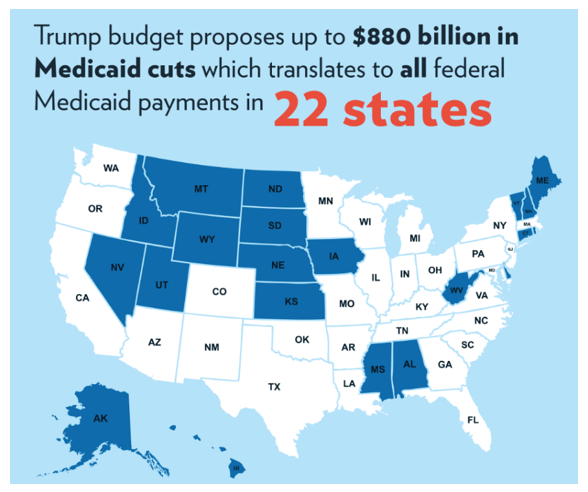
This addendum summarizes key peer-reviewed findings on how Medicaid eligibility changes (expansions, disenrollment, and coverage disruptions) affect emergency department (ED) use, primary care access, hospital uncompensated care, and health outcomes. The central takeaway from the scientific literature is not that Medicaid "simply reduces" ED use; rather, Medicaid changes the timing, setting, and composition of care. In the near term, coverage gains may increase ED utilization among newly insured populations, while longer-run and system-level analyses frequently show reductions in avoidable ED use and improved access to ambulatory care—effects that are jeopardized when coverage is cut or churn increases.
Medicaid coverage and ED use: what the evidence actually showsRandomized evidence from the Oregon Health Insurance Experiment found that gaining Medicaid increased ED utilization by roughly 0.41 visits per person over ~18 months (about a 40% increase relative to the control group), with increases across visit types including conditions potentially treatable in primary care settings.113,114
More recent quasi-experimental studies of ACA Medicaid expansion report different patterns when focusing on urgency and avoidability. A national analysis of ED visits by urgency category found that Medicaid expansion was associated with reductions in outpatient-treatable ED visits, suggesting that strengthened ambulatory access can shift lower-acuity care away from EDs over time.115 A JAMA Network Open analysis similarly reported that expansion was associated with reductions in overall ED use driven largely by decreases in potentially avoidable, low-severity visits.116 Taken together, these findings support a two-phase model: (a) coverage gain may increase total utilization initially (including ED) as latent demand is expressed; (b) with stable coverage and accessible primary care, the system can reduce avoidable ED reliance.
Coverage loss and "CHURN" are consistently linked to worse access and more acute careCoverage instability is a major mechanism through which Medicaid cuts translate into higher ED reliance. Disenrollment and repeated gaps ("churn") are common in Medicaid even without policy shocks, and are associated with reduced continuity and greater acute-care use.117 Reviews of Medicaid discontinuity highlight associations between interrupted coverage and increased ED visits and hospitalizations in multiple populations, noting that administrative barriers can amplify instability.118 More recent large-scale analyses of Medicaid coverage loss show that substantial fractions of beneficiaries lose coverage within a year, and that acute care utilization remains common during periods surrounding coverage disruptions.119
From a systems perspective, churn pushes patients away from longitudinal management (medication titration, behavioral health follow-up, preventive screening) and toward episodic stabilization. This is the clinical pathway by which coverage cuts predictably convert manageable chronic illness into ED presentations and avoidable admissions.
Medicaid and mortality: why access matters beyond utilization metricsBeyond utilization, several high-quality studies link Medicaid expansion to improved survival and population health. A landmark NEJM analysis of earlier state Medicaid expansions found statistically significant reductions in mortality along with improved access and self-reported health.120 A Lancet Public Health study similarly reported associations between Medicaid expansion and reductions in mortality, mediated by gains in insurance coverage.121 These findings matter for the "primary care vs ED" question because mortality effects are plausibly mediated through earlier access to care, medication adherence, and reduced catastrophic delays—precisely the mechanisms undermined by coverage cuts.
Hospitals, uncompensated care, and safety-net stabilityA robust body of literature finds that Medicaid expansion reduces uncompensated care costs for hospitals and clinics. A synthesis of the expansion literature notes consistent reductions in uncompensated care and improved financial performance among safety-net providers.122 When coverage contracts, the reverse occurs: uncompensated care rises, margins tighten, and hospitals—especially rural and safety-net facilities—face increased risk of service cuts or closure, which further reduces primary care access and increases ED crowding via fewer alternatives.
What the literature implies about Medicaid cuts and ED crowdingScientific evidence supports the clinical prediction that broad Medicaid cuts or administrative barriers that increase churn will:
Importantly, the literature cautions against simplistic endpoints. Total ED volume can rise or fall depending on time horizon, local primary care capacity, and the extent to which expansion is accompanied by ambulatory investment. The consistent finding is that stable coverage supports better access and outcomes; instability and coverage loss predictably increase crisis-driven care.
None.
The author declares that there is no conflict of interest.
None.

©2026 Ungar-Sargon. This is an open access article distributed under the terms of the, which permits unrestricted use, distribution, and build upon your work non-commercially.
