Journal of
eISSN: 2574-8114


Research Article Volume 12 Issue 3
 Selmi Akter,1 Sayeda Sanjida Rahman,1 Shayla Sharmin,1 Md Tajbir Husain2
1Department of Fashion Design & Technology (FDT), Sonargaon University (SU), Dhaka, Bangladesh
2Department of Apparel Manufacture & Technology (AMT), Sonargaon University (SU), Dhaka, Bangladesh
Correspondence: Md Ahshan Habib, Department of Fashion Design & Technology (FDT), Sonargaon University (SU), Dhaka, Bangladesh
Received: April 10, 2026 | Published: May 11, 2026
Citation: Habib A, Akter S, Rahman SS, et al. The psychology of color in apparel merchandising: an integrative literature review on consumer perception and behavior. J Textile Eng Fashion Technol. 2026;12(3):156-164. DOI: 10.15406/jteft.2026.12.00461
Color plays a fundamental role in apparel merchandising, functioning not only as an aesthetic attribute but also as a psychological and communicative stimulus that shapes consumer perception and behavior. This study adopts a qualitative integrative literature review approach, systematically analyzing scholarly sources from databases including Scopus, Web of Science, Google Scholar, and ScienceDirect. A thematic synthesis method was employed to identify recurring patterns across interdisciplinary research in psychology, marketing, and fashion studies. The study integrates key theoretical frameworks, including Ecological Valence Theory, Color-in-Context Theory, and enclothed cognition, to develop a conceptual framework explaining how color influences consumer responses. Findings reveal that color operates through three interconnected mechanisms: cognitive evaluation, affective response, and conative intent. These dimensions collectively explain how consumers interpret, emotionally respond to, and act upon color cues in apparel environments. The study further highlights the role of cultural variability and contextual factors in shaping color meaning, demonstrating that color perception is dynamic rather than universal. By synthesizing diverse perspectives, this research positions color as a strategic tool in apparel design, branding, and merchandising. The findings offer both theoretical contributions and practical implications for designers, retailers, and marketers in competitive and globalized fashion markets.
Keywords: color psychology, apparel merchandising, consumer behavior, fashion communication, literature review
Background and Significance
Color is a fundamental design element in apparel merchandising. It plays a critical role in shaping visual appeal, consumer perception, and purchasing behavior.1 Within the fashion industry color functions not merely as an aesthetic attribute but as a strategic tool that communicates meaning, evokes emotional responses, and influences decision-making processes. In increasingly competitive retail environments, where visual differentiation is essential, the effective use of color can significantly enhance product desirability and brand identity.2
From a psychological perspective, color is closely linked to affective and cognitive processes. Different colors elicit distinct emotional responses. These responses range from excitement and stimulation to calmness and trust. For example, warm colors are often associated with energy and urgency, while cooler tones tend to evoke relaxation and reliability. However, these responses are not universal. They are shaped by individual experiences, cultural contexts, and situational variables. As a result, comprehending the complexities of color perception is essential for designers and marketers seeking to influence consumer behavior through apparel.3
Color as a psychological and communicative medium
The power of color is not only emotional but also functional.4 In apparel merchandising, color operates as a powerful nonverbal communication tool that conveys symbolic meanings related to identity, mood, and social positioning.2 It contributes to how garments are perceived and interpreted, influencing not only aesthetic judgment but also perceived value and functionality. In stores where first impressions are important, people often use color cues to quickly judge products.
Moreover, color plays a central role in brand communication and visual merchandising strategies.5 Retailers use color to create atmospheres, guide attention, and establish emotional connections with consumers. The arrangement of colors in store displays, digital platforms, and promotional materials can significantly affect consumer engagement and purchasing intentions.6 Consequently, color is not only a design choice but also a key component of strategic marketing within the fashion industry. It shapes brand identity, guides design decisions, influences emotions, and affects sales and loyalty.7 Figure 1 visually supports this argument by illustrating how color acts as the primary trigger in the consumer’s visual evaluation process before other garment attributes are considered.
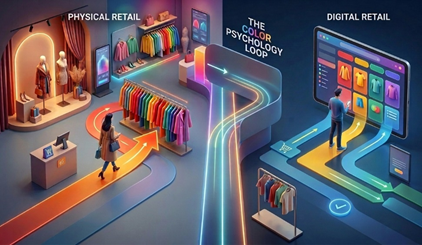
Figure 1 Analytical Model of Color-Driven Consumer Decision Pathway in Apparel Merchandising, (Source: Created by the authors).
Figure 1 Provides an analytical representation of the sequential decision-making pathway in apparel consumption. It conceptualizes color as the primary perceptual trigger that precedes the evaluation of form, fabric, and functionality. Rather than serving as a descriptive illustration, the model functions as a process-based framework that explains how initial visual stimuli activate cognitive appraisal and affective response mechanisms. This early-stage activation significantly influences subsequent behavioral outcomes, particularly consumer engagement and purchase intention. By structuring the consumer journey into distinct yet interconnected stages, the figure clarifies the causal role of color in shaping early attention and guiding decision flow in both physical and digital retail environments.
Theoretical foundations of color perception
Several theoretical frameworks provide a foundation for understanding how individuals perceive and respond to color in apparel contexts. Ecological Valence Theory (EVT) suggests that color preferences are shaped by accumulated positive and negative associations with objects and experiences.8 This implies that individual responses to color are influenced by personal history and learned meanings rather than being purely innate. Similarly, Color-in-Context theory emphasizes that the meaning and psychological impact of color are highly dependent on situational and environmental factors.9 The same color may convey different meanings across contexts, highlighting the importance of considering how color interacts with surrounding elements in apparel design and merchandising. In addition, the concept of enclothed cognition proposes that clothing, including its color, can influence both self-perception and behavior. This perspective extends the role of color beyond visual perception to include its impact on psychological states and social interactions. Together, these frameworks provide a comprehensive basis for understanding the multifaceted role of color in apparel merchandising.
Visual representation and conceptual framework
To support the understanding of color perception and its application in apparel merchandising, visual models and conceptual diagrams are often used. The relationship between color, perception, and consumer response, providing a structured overview of how visual stimuli are processed and interpreted. These representations help bridge theoretical concepts with practical applications, offering valuable insights for both researchers and practitioners.
As illustrated in Figure 2 Presents a conceptual framework of the variables examined in this study. Highlighting the interconnected nature of psychological, cultural, and behavioral factors in shaping consumer reactions to color.
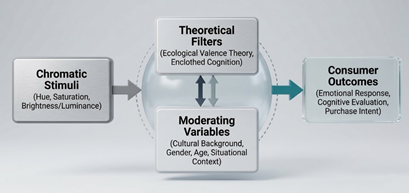
Figure 2 Conceptual framework of the variables examined in this study, (Source: Created by the authors).
Research gap and purpose of the study
Despite the extensive body of research on color psychology, existing studies are often fragmented across disciplines such as psychology, marketing, and design. While these studies provide valuable insights, there remains a lack of integrated understanding specifically within the context of apparel merchandising, where visual, emotional, and cultural factors converge. This fragmentation limits the ability of designers and retailers to fully utilize color as a strategic tool for influencing consumer perception and behavior. Furthermore, the rapid evolution of digital fashion environments and globalized markets necessitates a more comprehensive and interdisciplinary approach to understanding color dynamics.
Therefore, this study aims to synthesize theoretical and empirical literature to examine the psychological role of color in apparel merchandising and its influence on consumer perception and behavior. By integrating insights from multiple disciplines, the research seeks to develop a cohesive framework that supports more effective design, branding, and merchandising strategies.
Research questions
This study is guided by the following research questions:
Research objectives
The main objective of this study is to review and synthesize existing academic literature to understand the psychological role of color in apparel merchandising and its influence on consumer behavior. To achieve this aim, the study focuses on the following specific objectives:
Psychological foundations of color perception
Color perception is a complex process that involves both physiological and psychological mechanisms.10 While the human visual system detects color through the interaction of light and retinal receptors, the interpretation of color extends beyond sensory input to include emotional, cognitive, and symbolic dimensions.11 Research in psychology suggests that color can evoke immediate affective responses, influencing mood, attention, and decision-making processes.12
As illustrated in Figure 3 Shows the progression from biological stimulus → neural processing → cultural filtering → subjective perception, reinforcing that color perception is not purely physical. The 4D Interactive Experience of Color Perception: A multidimensional model illustrating the transition from raw biological stimulus (Stage 1) through neural and cultural filtration (Stage 2) to the subjective psychological experience (Stage 3), highlighting how individual context and learned associations produce divergent consumer responses to identical color inputs.
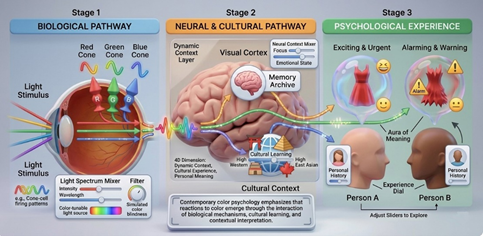
Figure 3 The 4D Multidimensional Color Perception Ecosystem, (Source: Created by the authors).
These responses are often automatic but are not entirely universal. Individual differences in perception arise from personal experiences, learned associations, and cultural influences. As a result, the psychological impact of color is dynamic and context-dependent, making it a particularly important element in apparel merchandising, where visual cues strongly influence consumer behavior.13
Emotional and cognitive responses to color
The relationship between color and emotion has been widely explored in both psychology and marketing literature.14 Studies indicate that certain colors are consistently associated with specific emotional states. For example, red is often linked to excitement, passion, and urgency, while blue is associated with calmness, trust, and stability.15 These associations can influence consumer perceptions of products, affecting their attractiveness and perceived value.
Beyond emotional and cognitive effects, color plays a critical role in apparel as a form of non-verbal communication.16 Clothing functions as a visual language through which individuals express identity, mood, social status, and group affiliation. Historically, color has been used to signal power and hierarchy, as illustrated by sumptuary laws restricting certain hues to elite classes.17,18
Figure 4 Demonstrates how chromatic choices in apparel operate as a high-speed communication channel, bypassing verbal cues to influence the observer’s Spectrum of Perception. This non-verbal signaling is categorized into four primary reaction clusters. The model maps specific color reactions Red (Attraction/Status), Blue (Trust/Credibility), Yellow (Optimism/Approachability), and Black (Power/Sophistication) to their corresponding psychological Aura Spheres and social outcomes.
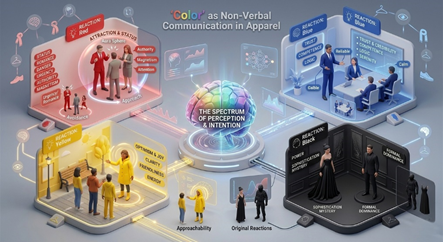
Figure 4 Multi-dimensional framework of chromatic non-verbal communication in apparel, (Source: Created by the authors).
In addition to emotional responses, color also plays a role in cognitive processing.19 It can influence attention, memory, and information processing, thereby affecting how consumers evaluate and select products. In retail environments, strategically used colors can guide consumer attention toward specific items, enhance visual hierarchy, and improve overall shopping experience.6
Figure 5 Demonstrates Color in apparel functions as a sophisticated visual language that communicates complex social and professional signals. Beyond individual emotional responses, the choice of a specific hue acts as a strategic mechanism for signaling identity and affiliation within a group. The figure demonstrates that while Navy Blue projects a traditional sense of authority and professionalism, Teal and Coral are utilized to signal innovation and creative affability. This confirms that in apparel consumption, color is often a conscious or subconscious choice used to navigate social hierarchies and shape how an individual is perceived by others in a professional ecosystem.

Figure 5 Color as a strategic communication mechanism in apparel, (Source: Created by the authors).
Ecological valence theory and learned associations
Ecological Valence Theory (EVT) offers a comprehensive explanation for how individuals develop color preferences. According to EVT, preferences are formed through accumulated emotional experiences with objects and environments associated with particular colors [8].Positive associations lead to favorable responses, while negative experiences can result in aversion.20
As illustrated in Figure 6 Explains how positive/negative associations with objects shape long-term color preferences. It also explains the evolutionary origin of these color-driven shifts. According to EVT, people like colors to the extent that they like the objects typically associated with those colors. This creates a feedback loop of learned ecological associations that eventually manifest as instantaneous psychological primes.

Figure 6 Ecological Valence Theory (EVT) and Color Preference Formation, (Source: Created by the authors).
This theory highlights the importance of learned associations in shaping consumer behavior. In apparel merchandising, it suggests that color preferences may vary across individuals and demographic groups, depending on their cultural background and personal experiences. For example, a color associated with positive memories in one context may evoke negative associations in another.
Color-in-context theory and situational meaning
Color-in-Context Theory expands on the idea that color meaning is not fixed but varies depending on situational factors.8 According to this framework, the psychological impact of color is shaped by the context in which it is perceived, including environmental conditions, cultural settings, and functional usage.11
Figure 7 Demonstrates how the same color produces different psychological responses depending on context and provides the critical when and where. The theory suggests that color carries different meanings depending on the environment. This context-dependent nature is essential for apparel designers who must ensure that a garment's chromatic message aligns with its intended use. The schematic illustrates how identical chromatic stimuli (e.g. Red) trigger diametrically opposed behavioral motivations Avoidance in achievement/performance contexts (e.g. academic testing) and Approach in affiliation/social contexts (e.g. romantic attraction) depending on the situational frame.
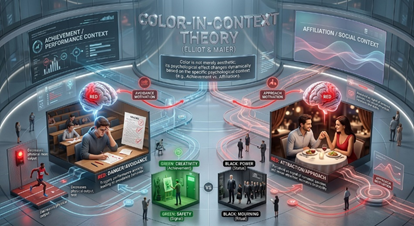
Figure 7 Context-Dependent Interpretation of Color Stimuli, (Source: Created by the authors).
For instance, red may enhance attractiveness in fashion contexts but signal danger in warning signs.21 Similarly, black can convey sophistication in formal wear while also being associated with mourning in certain cultures.22 This variability underscores the importance of considering context when applying color in apparel design and merchandising.
Cultural and cross-cultural perspectives
Cultural factors play a significant role in shaping color perception and preference. Different cultures assign distinct symbolic meanings to colors, influencing how they are interpreted in apparel contexts.6 For example, white is associated with purity and weddings in Western cultures, whereas in some Asian cultures it symbolizes mourning and death.23
As illustrated in Figure 8 Compares how different cultures interpret the same color differently.
Globalization has expanded exposure to diverse cultural interpretations, presenting both opportunities and challenges for apparel brands.24 Designers are required to navigate these cultural differences carefully, In order to develop products that resonate with target audiences while minimizing the risk of misinterpretation. As a result, understanding cultural variations in color symbolism is essential, offering a comparative perspective on how colors are perceived and interpreted across different societies.
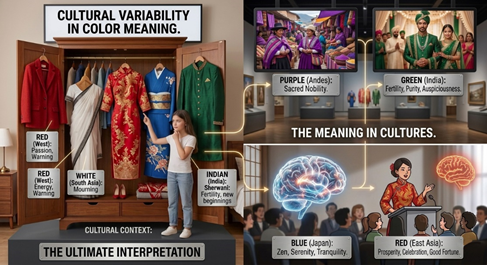
Figure 8 Cross-Cultural Variability in Color Meaning, (Source: Created by the authors).
Enclothed cognition and behavioral impact
The concept of enclothed cognition offers a sophisticated framework. For understanding the bidirectional relationship between attire and psychological functioning.25 This theory posits that the influence of clothing on cognitive processes and behavioral outcomes is predicated on two distinct yet intersecting factors, the symbolic significance attributed to a garment and the physical experience of wearing it.25 Beyond serving as a medium for social signaling, clothing acts as an internal cognitive catalyst. A person's self-perception can be systematically changed, confidence can be increased, and behavioral responses can be modulated when they wear clothing that has a particular symbolic association, such as the psychological associations of a particular color or the perceived authority of a uniform. Consequently, enclothed cognition suggests that garments are not merely passive coverings but are active participants in shaping the wearer's mental state and social interactions.26
Figure 9 Demonstrates the relationship between clothing, cognition, and behavior, emphasizing the role of color as a mediating factor. This perspective highlights the importance of integrating psychological insights into design and marketing strategies.
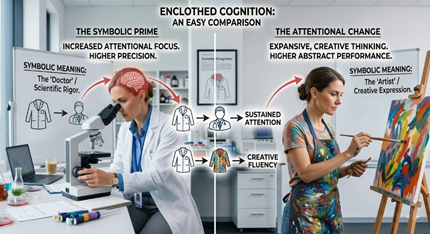
Figure 9 Enclothed Cognition and Symbolic Influence of Apparel Color, (Source: Created by the authors).
Color as a strategic tool in apparel merchandising
Color plays a central role in visual merchandising and brand communication. It is used to attract attention, create emotional engagement, and differentiate products in competitive markets. Effective color strategies can enhance brand recognition, improve customer experience, and increase sales performance.6
Figure 10 Demonstrates how a comprehensive color strategy acts as a primary catalyst for attracting customer attention, differentiating products in a competitive market, enhancing brand recognition, improving the overall customer experience, and increasing sales performance.
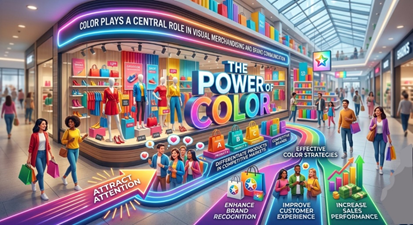
Figure 10 The Strategic Role of Color in Visual Merchandising and Retail Branding, (Source: Created by the authors).
Retail environments often utilize coordinated color schemes to create immersive experiences that influence consumer behavior.27 Furthermore, color contributes to brand identity by reinforcing visual consistency and emotional resonance. Consumers often associate specific colors with particular brands, making color a key element of brand positioning and recognition.
Synthesis of literature
The reviewed literature highlights the multifaceted role of color in apparel merchandising, encompassing psychological, cultural, and contextual dimensions. Theoretical frameworks such as EVT, Color-in-Context Theory, and enclothed cognition provide complementary perspectives that collectively explain how color influences perception and behavior. Figure 2 presents an integrative framework that synthesizes these perspectives, illustrating the interconnected relationships between color, cognition, emotion, and consumer response. This synthesis underscores the importance of adopting an interdisciplinary approach to understanding color dynamics in fashion contexts.
Overall, the literature suggests that color is not merely a visual attribute but a complex and strategic element that shapes consumer experiences and decision-making processes. By integrating insights from psychology, marketing, and design, this study contributes to a more comprehensive understanding of color in apparel merchandising.
Research design
This study adopts a qualitative integrative literature review approach to examine the psychological role of color in apparel merchandising and its influence on consumer perception and behavior. The integrative review method is particularly suitable for interdisciplinary research, as it allows the synthesis of theoretical and empirical studies across multiple domains, including psychology, marketing, and fashion studies. Rather than generating primary data or testing specific hypotheses, this research aims to construct a comprehensive conceptual understanding of how color operates as a psychological, emotional, and communicative stimulus within apparel contexts. The qualitative design facilitates the integration of diverse perspectives into a unified analytical framework, consistent with the theoretical foundations outlined in Sections 1 and 2.
Literature search strategy
A systematic and structured search of academic literature was conducted to ensure comprehensive coverage of relevant research. Multiple scholarly databases were utilized, including Scopus, Web of Science, Google Scholar, and ScienceDirect, to identify peer-reviewed journal articles, books, and conference papers.
A keyword-based search strategy was applied using combinations of the following terms:
Color psychology, color perception, apparel merchandising, consumer behavior, clothing color, enclothed cognition, color preference.
Boolean operators (AND, OR) were used to refine search results and improve relevance. The search process prioritized studies that directly address the intersection of color, perception, and consumer behavior within apparel or related visual domains.
Inclusion and Exclusion Criteria
To ensure the quality, relevance, and consistency of the selected literature, explicit inclusion and exclusion criteria were applied.
Included studies:
Excluded studies:
While recent publications were prioritized to reflect current developments, seminal and foundational works were also included to support theoretical depth.
Data Extraction and Organization
Relevant data from the selected studies were systematically extracted and organized into a structured format. Key information included:
The extracted data were then categorized into thematic groups aligned with the core dimensions of this study, including:
Table 1 presents a structured categorization of key sources and their theoretical contributions, supporting the analytical framework of this study.
Data analysis: thematic synthesis
The study employs thematic analysis as the primary analytical method to identify recurring patterns, relationships, and conceptual linkages across the selected literature.
The analysis followed a multi-stage process:
This process enabled the integration of diverse perspectives into a coherent framework, consistent with the interdisciplinary nature of the research. This thematic synthesis enabled the development of the conceptual framework presented in Figure 2.
Conceptual mapping and integrative framework
To enhance analytical depth, a conceptual mapping approach was used to synthesize findings across studies. This process moved beyond descriptive review toward interpretive integration, aligning with the theoretical models discussed in the Literature Review (Section 2).
The synthesis was structured around three core dimensions:
By mapping findings across these dimensions, the study resolves apparent contradictions in prior research such as context-dependent color effects through the application of frameworks like Ecological Valence Theory and Color-in-Context Theory. This integrative approach supports the development of the conceptual model presented in Figure. 2.
Methodological rigor
To ensure rigor and reliability, several strategies were employed:
Although the study does not aim for statistical generalizability, it achieves conceptual generalizability by identifying consistent patterns across diverse research contexts.
Limitations
This study is subject to certain limitations. As a literature-based analysis, it relies on secondary data and does not include primary empirical validation. Additionally, a significant proportion of the reviewed studies are based on Western contexts, which may limit the generalizability of findings across all cultural settings.
Despite these limitations, the study provides a robust theoretical and conceptual foundation for understanding the role of color in apparel merchandising and offers directions for future empirical research.
Overview of key findings
The integrative analysis reveals that color in apparel merchandising functions as a multidimensional psychological stimulus. It influences consumer perception and behavior through interconnected cognitive, affective, and behavioral mechanisms. Rather than acting as a purely visual attribute, color functions as a dynamic interface between product and consumer, shaping interpretation, emotional engagement, and purchase intention. Consistent with the conceptual framework presented in Figure 2 the findings demonstrate that color effects emerge through the interaction of learned associations, contextual interpretation, and symbolic meaning. These interactions reinforce the view that color is not static but situational, culturally embedded, and psychologically mediated.
Cognitive evaluation: perception, interpretation, and meaning
The analysis indicates that color plays a critical role in cognitive processing, particularly in how consumers interpret and evaluate apparel products. As suggested by Ecological Valence Theory (EVT), individuals rely on accumulated experiences and associative learning to form color preferences and judgments .Consumers often use color as a heuristic cue, enabling rapid evaluation of garments before engaging with material or functional attributes. This aligns with findings in marketing literature, where color significantly influences perceived quality, brand identity, and product categorization .Furthermore, Color-in-Context Theory highlights that cognitive interpretation is highly dependent on situational variables. The same color may signal professionalism in one context and informality in another, reinforcing the importance of contextual congruence in apparel design and merchandising. These findings suggest that effective color strategies must consider not only visual appeal but also semantic alignment between color and product purpose.
Affective response: emotional engagement and psychological impact
A major finding of this review is the strong influence of color on emotional and affective responses, which directly shape consumer attraction and preference. Consistent with prior research, warm colors such as red and yellow are associated with arousal and excitement, while cool colors such as blue and green evoke calmness and trust .However, the analysis also reveals that emotional responses are not universally fixed. Instead, they are mediated by personal experience, cultural meaning, and situational context. For example, a color that evokes comfort in one cultural setting may produce discomfort in another. The concept of enclothed cognition further extends these findings by demonstrating that color influences not only external perception but also internal psychological states. Wearing certain colors can enhance confidence, authority, or creativity, thereby shaping both self-perception and social interaction. This highlights the dual role of color as both an external communicative signal and an internal psychological stimulus.
Conative intent: consumer behavior and purchase decisions
The findings confirm that color significantly influences consumer behavior. This effect is especially strong in retail environments, where visual stimuli dominate decision-making processes. Color often acts as the primary trigger for attention, determining whether a consumer engages with or ignores a product. Visual merchandising strategies that utilize color contrast, harmony, and coordination are shown to enhance product visibility, store navigation, and purchase intention. In both physical and digital retail settings, color serves as a key driver of consumer interaction and engagement. Additionally, color contributes to brand differentiation and recognition, enabling consumers to form emotional connections with products and brands. However, the effectiveness of color in influencing behavior depends on its alignment with:
Misaligned color choices can lead to negative perceptions and reduced purchase likelihood.
Cultural and contextual moderation
A critical insight emerging from the analysis is the role of cultural and contextual variability in moderating color perception. While some emotional associations appear consistent, symbolic meanings differ significantly across cultural contexts. For instance, colors associated with celebration in one culture may symbolize mourning in another. These variations directly affect consumer interpretation and acceptance of apparel products.
Moreover, situational context such as professional, social, or ceremonial settings further shapes how color is perceived and evaluated. This reinforces the applicability of Color-in-Context Theory and highlights the need for context-sensitive design strategies.
Integration of theoretical frameworks
The findings demonstrate strong alignment between empirical observations and the theoretical frameworks discussed in Section 2. Specifically:
Figure 9 integrates these perspectives, illustrating how cognitive, affective, and conative processes interact to influence consumer response.
This integrative perspective resolves inconsistencies in prior research by showing that color effects are not contradictory but context-dependent and multi-layered.
Implications for apparel merchandising
The findings have several practical implications:
Overall, color should be treated as a strategic design variable rather than a purely aesthetic choice.
This study establishes that color operates as a strategic and multidimensional mechanism within apparel merchandising, extending beyond aesthetic function to influence consumer cognition, emotion, and behavior. By integrating Ecological Valence Theory, Color-in-Context Theory, and enclothed cognition, the findings demonstrate that color perception is shaped through learned associations, situational framing, and symbolic meaning.
More critically, the study translates these theoretical insights into actionable implications. From a design perspective, color selection should be aligned with intended psychological outcomes, such as trust, excitement, or authority, depending on the target market and garment function. In branding, consistent color strategies can reinforce identity and enhance recognition, particularly in competitive retail environments. Within visual merchandising, the structured use of contrast, harmony, and color hierarchy can guide consumer attention, improve navigation, and increase product engagement in both physical and digital platforms.
Furthermore, the findings emphasize that effective color application requires contextual sensitivity. Cultural variation and situational appropriateness must be carefully considered to avoid misinterpretation and negative consumer responses. This is particularly relevant for global fashion brands operating across diverse markets.
Overall, the study advances the understanding of color as a decision-making catalyst in apparel consumption. It provides a framework through which designers, retailers, and marketers can systematically apply color psychology to enhance consumer experience, strengthen brand positioning, and improve commercial outcomes.
Contributions
This study contributes to the field by:
Limitations and future research
While the study offers valuable insights, it is limited by its reliance on secondary data and the predominance of Western-based research. Future studies should incorporate:
Final remark
In contemporary apparel merchandising, color should be understood not simply as a visual attribute, but as a strategic, psychological, and communicative force that shapes how consumers see, feel, and ultimately choose.
None.
None.
The author declares no conflict of interest.

©2026 Habib, et al. This is an open access article distributed under the terms of the, which permits unrestricted use, distribution, and build upon your work non-commercially.