Journal of
eISSN: 2574-8114


Research Article Volume 12 Issue 2
 Israt Jahan, Rukaeya Yesmin Mim, Israth Jahan Rim
Department of Fashion Design & Technology (FDT), Sonargaon University (SU), Dhaka, Bangladesh
Correspondence: Md Ahshan Habib, Department of Fashion Design & Technology (FDT), Sonargaon University (SU), Dhaka, Bangladesh
Received: March 22, 2026 | Published: April 2, 2026
Citation: Habib A, Jahan I, Mim RY, et al. The impact of design elements on fashion aesthetics. J Textile Eng Fashion Technol. 2026;12(2):104-115. DOI: 10.15406/jteft.2026.12.00456
This study investigates how fundamental design elements line, silhouette, color, texture, and proportion, together with the structural components of Material, Structure, Form, and Function collectively shape fashion aesthetics and influence visual perception. Adopting a qualitative descriptive research design, it integrates theoretical analysis of academic literature with digital experimentation using CLO3D as a simulation-based evaluation tool. Through systematic visual analysis, the study examines how variations in garment construction and design variables affect aesthetic outcomes, perceived value, and consumer interpretation. The findings demonstrate that fashion aesthetics emerge from the synergistic interaction of design elements rather than isolated components. Silhouette and color establish the initial visual impact, while texture, proportion, and structural detailing enhance depth and perceived quality. The research further proposes a conceptual framework that bridges technical garment construction with aesthetic identity, offering practical implications for design education and digital prototyping. However, the study is limited by its qualitative and simulation-based approach, lacking empirical user validation. Future research should incorporate quantitative methods and consumer-based testing to strengthen the generalizability of the findings.
Keywords: fashion design theory, visual aesthetics, design elements, silhouette, color theory, consumer perception, fashion education, garment construction
The fundamental framework of fashion design
Fashion designing is fundamentally the creation of a systematic plan or drawing intended to define the final appearance and functionality of apparel.1 In the professional creative scope, designers do not only create, they strategically arrange lines, shapes, texture and colors to establish the structural and visual framework of an object long before it is physically realized.2 Within this broad definition, fashion design appears as a specialized and high-stakes form of art dedicated to the creation of clothing, footwear, and lifestyle accessories that define the human experience. The collaboration of textiles and garments is the vital engine of this discipline. A successful fashion designer must possess more than just a creative vision; they require a thoughtful understanding of how textile materials and structures affect both the design and the ultimate function of a garment.
This necessitates 'haptic knowledge' the natural understanding obtained through direct, hands-on experience with fabrics and their drape. Far from being a niche artistic pursuit, this field represents a massive global economic power. Currently, up to 300 million employees are involved in the textile and fashion industry, forming a robust economic pillar that contributes more than 1.7 trillion dollars to the global economy.3
The impact of color on personal identity
Color is a vital link between a garment’s design and the person wearing it.4 Traditional fashion advice often groups people into warm or cool categories based on their natural coloring. People with winter or summer complexions have blue skin undertones and look best in cool colors. Conversely, those categorized as autumn or spring have golden undertones and are encouraged to wear warm colors. However, finding a person's true undertone can be difficult and is often based on personal opinion rather than science. Sometimes, the logic used to categorize people is circular meaning the advice shows itself. For instance, a stylist might say someone has a warm skin tone simply because they look good in gold jewelry, and then conclude they should wear gold jewelry because they are warm. Research by Collin (1986) highlighted this inconsistency, finding that even professional stylists often disagree on which colors belong to which category. Despite these subjective methods, the goal remains to find a balance between the fabric’s pigment and the wearer’s natural skin tone to create a harmonious look.5
The psychological and commercial influence of color
Color is a constant presence in our daily lives, acting as a language through which we express our feelings and personality. On a practical level, it helps us adapt to the world around us, for example, we often wear dark colors in the winter to stay warm by absorbing heat and light colors in the summer to stay cool. Beyond these physical uses, the right colors can boost a person's confidence and improve how they feel about their appearance. In the business world, color is a powerful tool used to drive the economy. It directly affects what people choose to buy and how they feel about a brand, making it a key part of marketing strategies. This is why color photography is the standard in advertising: bright and meaningful colors grab a consumer's attention much faster than black and white, triggering an immediate emotional and mental response that can lead to a purchase.6
Silhouette as the structural basis of fashion
While color sets the emotional mood of a garment, the silhouette defines its physical identity. Silhouette refers to the overall shape and outline of a piece of clothing how it wraps around the body and how much space it takes up. In the context of the Four Pillars, this classification is the starting point for determining the Function and Form of a garment. By categorizing shapes based on width distribution (Shoulders vs. Hips), designers can strategically use design elements like line and proportion to create visual harmony. In digital environments like CLO3D, this logic allows for the digital laboratory testing of how specific silhouettes can either emphasize or camouflage anatomical features to meet the desired aesthetic intent.7
As illustrated in Figure 1, geometric female body forms are categorized into five primary types rectangle, pear, apple, hourglass, and inverted triangle each defined by distinct proportional relationships between the bust, waist, and hips. This visual mapping demonstrates how variations in body structure directly influence garment fit and silhouette development. For example, the hourglass form exhibits balanced proportions, while the pear shape emphasizes lower-body volume, affecting design decisions related to line, structure, and proportion.
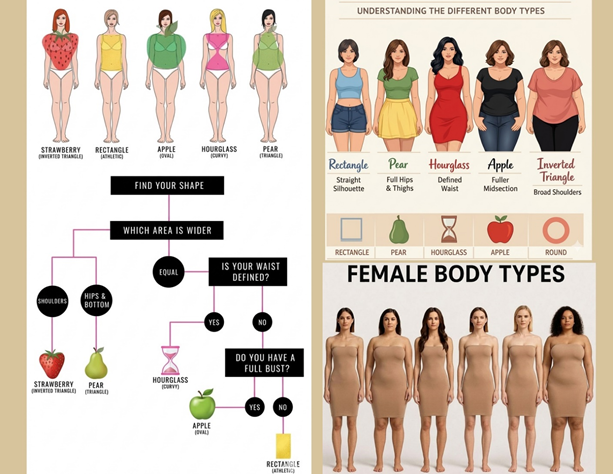
Figure 1 Classification of geometric female body forms and their proportional characteristics in fashion design,8 (Source: Author’s compilation based on adapted references).
This element is the most direct way a designer communicates their vision, as it controls the garment's proportions, the way it moves, and its final structure.9
As illustrated in Figure 2, different garment silhouettes are applied to five female body type pear, apple, hourglass, rectangle, and inverted triangle to demonstrate how design elements align with body proportions. Each example shows how silhouette selection enhances visual balance; for instance, the pear shape is complemented by designs that draw attention to the upper body, while the inverted triangle silhouette balances broader shoulders with volume in the lower section. This comparison highlights that aesthetic harmony is achieved when garment structure corresponds to body geometry, reducing visual imbalance and enhancing proportion, emphasis, and overall design coherence.
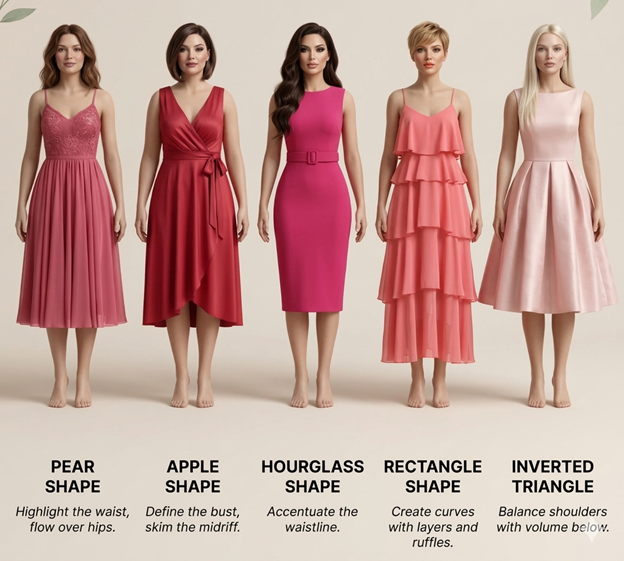
Figure 2 Comparative visualization of garment silhouettes across different female body types and their proportional alignment in fashion design (Source: Author’s compilation based on adapted references).
Fashion is often defined as a style that is popular at a specific time. While people often use the words fashion and clothing to mean the same thing, fashion is actually much broader. It is an all-around phenomenon that acts as a visual shorthand for our social identity telling the world who we are and where we belong.10 At the center of the fashion industry is the concept of aesthetics, which can be thought of as the soul of a design. Without a clear and consistent aesthetic, a garment is just a functional object; it lacks the life needed to stand out in a busy market. These aesthetic trends do more than just sell clothes; they become social and cultural movements that influence how people interact with one another and navigate their daily lives.11
The connection between technical design and aesthetic results
A major challenge in both fashion schools and the professional industry is the gap between how a garment is built (the technical side) and how it looks (the aesthetic side). Most designers understand the basic building blocks of design like line, shape, space, texture, and color. However, it is much harder to explain how these separate parts work together to create a balanced and beautiful outfit.12 The beauty or aesthetic quality of a garment does not happen by accident. It is the result of carefully choosing and changing variables like the silhouette and the psychological effects of color. By controlling these elements, a designer can create a specific mood or message.12 Because design aesthetics have the power to attract customers and convince them to make a purchase, they are now being studied in fields like neuroscience and marketing. We know that the human brain processes aesthetics very quickly and without much conscious thought, which often leads to a feeling of pleasure. While we know that looking good makes a product seem more valuable, researchers are still exploring exactly how these visual designs affect our brain's thinking patterns and neural responses.13
The interaction of line, texture, and proportion
Lines are the paths that guide a person's eye across a garment, creating a sense of movement and direction.
As illustrated in Figure 3, different line orientations vertical, horizontal, diagonal, and curved affect how body proportions are perceived and guide visual flow across the garment. Each example demonstrates the impact of line placement on visual effects, such as elongation, widening, or structural emphasis, showing how designers can manipulate line direction to shape perception and enhance overall garment aesthetics.
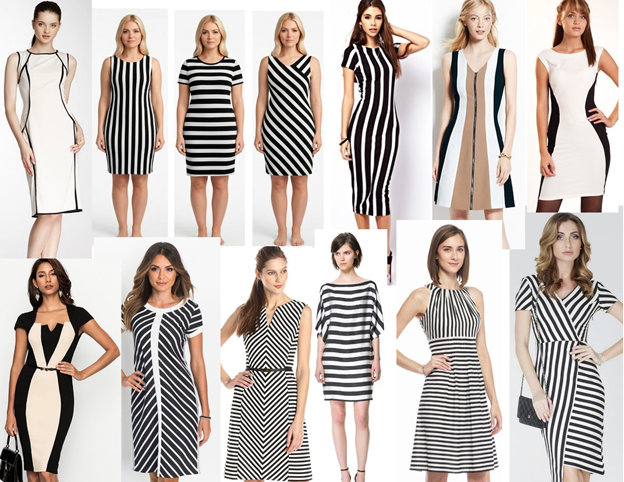
Figure 3 Influence of line direction and placement on visual perception in garment design14 (Source: Author’s compilation based on adapted references).
While lines provide the path, texture provides the depth. Texture refers to the surface feel of the fabric.15 For example, heavy materials like denim, corduroy, or tweed create a rugged, sturdy look that suggests a casual yet sophisticated style. On the other hand, highly detailed fabrics such as those featuring lacework, embroidery, or beading add a touch of glamour and high-end aesthetic value. To make these elements work together, a designer must achieve balance.
As illustrated in Figure 4, different textile textures smooth, matte, glossy, and embellished affect light reflection, depth perception, and tactile impression. Each example highlights how texture contributes to visual richness, aesthetic identity, and the perceived quality of garments, demonstrating the role of material selection in shaping overall fashion perception.
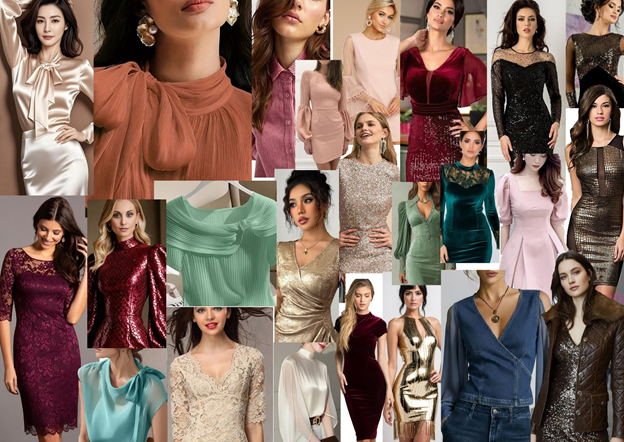
Figure 4 Influence of textile texture variation on visual perception in fashion design,16 (Source: Author’s compilation based on adapted references).
This can be done through symmetry (like a perfectly balanced tailored suit), radial patterns (designs that spread out from a center point), or even purposeful asymmetry (like skewed hemlines on a dress).Finally, proportion is the element that coordinates all these parts. It involves the size and scale of each design feature in relation to the others.
As illustrated in Figure 5, variations in garment proportions, silhouette structure, and color placement shape the distribution of visual weight across the body. Comparative examples show how differences in the relative lengths of tops, bottoms, and outerwear, combined with the placement of dominant and secondary colors, create visual harmony, enhance perceived height, and contribute to the overall aesthetic and style identity of the ensemble.
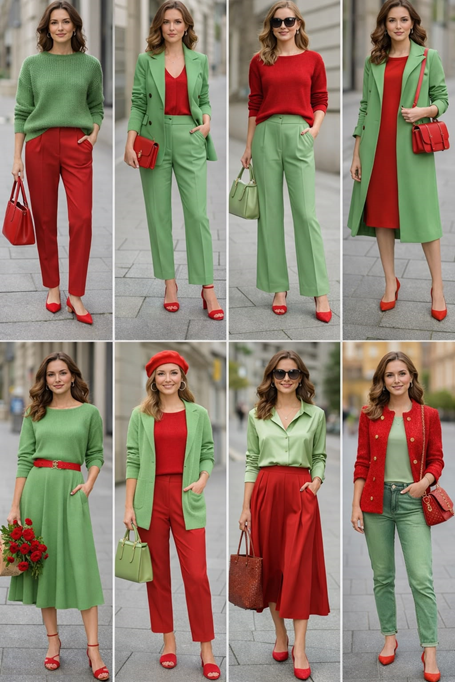
Figure 5 Influence of proportion and color distribution on visual balance in fashion styling (Source: Author’s compilation based on adapted references).
When proportion is handled correctly, it enhances the overall beauty of the attire, ensuring that no single part overwhelms the rest of the design.17
Research aim and significance
The primary goal of this research is to explore how core design elements material, structure, and form directly influence the creation of fashion aesthetics. By breaking down these visual symbols, this study provides a clear framework that helps designers and students move beyond basic construction. Understanding these elements allows for a better prediction of aesthetic trends and increases the perceived value of fashion products in a competitive market. Ultimately, this research shows that garments are more than just clothing; they are powerful tools for personal expression and a way to communicate social identity and power to the world.
Research questions
This study seeks to answer the following three questions to better understand the relationship between design and aesthetics:
Research objectives
The primary aim of this study is to evaluate how the strategic manipulation of fundamental design elements constructs specific fashion aesthetics and shapes consumer perception. The specific objectives are:
The concept of aesthetics as the 'soul' of design
In the world of fashion, aesthetics is far more than just looking good, it is the core identity or the soul of a garment.18 Traditionally, aesthetics is defined as the study of sensory values how we use our sight and touch to judge whether something is beautiful or meaningful. In the creative process, a designer acts like a chemist, mixing known elements like line, color, and fabric in new and exciting ways to create a fresh combination that triggers a positive emotional response.19
As illustrated in Figure 6, the integration of structural lines and silhouettes with the tactile richness of fabrics and embellishments demonstrates how multiple design elements combine to form the garment’s Aesthetic Soul. Comparative examples show how balancing line, tone, silhouette, fabric, and embellishment creates emotional identity, enhances visual impact, and transforms technical construction into a meaningful and high-value fashion statement.
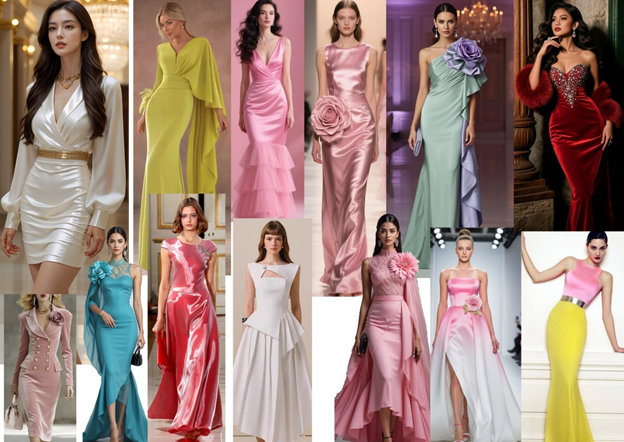
Figure 6 Visual synthesis of the Aesthetic Soul, integrating line, tone, silhouette, fabrics, and embellishments,20 (Source: Author’s compilation based on adapted references).
Without this soul, a piece of clothing is simply a functional object a tool for warmth or protection. However, when a clear aesthetic is applied, that garment becomes a cultural artifact. This distinction is vital in the global economy. Modern economic models show that aesthetic trends are what drive consumption in our daily lives. They turn the simple act of buying clothes into a social and cultural phenomenon where people use fashion to express who they are and what they value.11 For a professional designer, achieving this soul is a strategic goal. It is not an accident but a planned manifestation of beauty. This is achieved through a deep understanding of how specific layers interact:
When these parts are balanced correctly, the garment gains "life," allowing it to stand out in a crowded market and connect deeply with the consumer's personal identity.21
The science of visual order: applying gestalt principles to fashion
While beauty is often seen as a personal choice, but it is actually based on how the human brain is built.22 Appreciation of beauty is rooted in neurobiology the specific way our brain cells process visual information. To explain why certain designs look right to almost everyone, researchers use Gestalt Principles. These are psychological rules that describe how the brain naturally organizes small, separate parts into one complete and balanced image.23
In the context of fashion, these principles help us understand why certain outfits feel attractive or expensive:
Symmetry and similarity: Our brains are naturally drawn to symmetry and repeating patterns because they represent order and quality.24 In fashion, a perfectly balanced suit or a consistent fabric print feels high-end and powerful because it signals professional precision. When a garment is symmetrical, the human eye perceives it as harmonious and stable, which immediately increases its aesthetic and emotional value to the wearer.
As illustrated in Figure 7, the application of symmetry and pattern similarity demonstrates key psychological principles that contribute to a high-end aesthetic. Comparative examples show how consistent geometric alignment and repeating motifs enhance visual harmony, reinforce perceived quality, and establish a refined, luxurious identity in textile design.
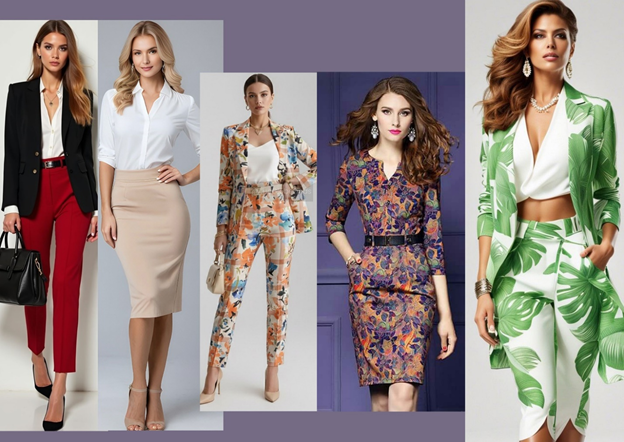
Figure 7 Geometric symmetry and pattern similarity in high-end textile design (Source: Author’s compilation based on adapted references).
Proximity and continuity: We enjoy visual "paths." Design elements that flow smoothly across the body leading the eye from the shoulder to the hem without awkward interruptions create a sense of grace and height.25
As illustrated in Figure 8, the arrangement of design elements demonstrates how proximity and continuity guide the viewer’s eye along a visual path from shoulder to hem. Comparative examples show how aligned lines, seams, and patterns create uninterrupted flow, reducing visual distractions, enhancing perceived height and slenderness, and contributing to a graceful, sophisticated silhouette.
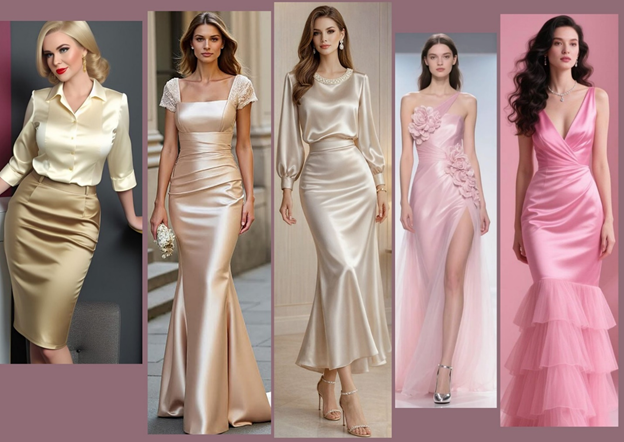
Figure 8 The principles of visual flow, proximity and continuity,26 (Source: Author’s compilation based on adapted references).
Closure: Our brains like to fill in the blanks. This is why a simple, clean silhouette can feel more sophisticated, it allows the viewer's mind to complete the shape rather than being overwhelmed by a cluttered design.27
As illustrated in Figure 9, the arrangement of floating layers demonstrates the principle of closure, where the viewer’s eye perceives a complete shape despite gaps between elements. Comparative examples show how applying simple, clean shapes in garment design allows the mind to complete the visual composition, creating elegance, visual harmony, and a high-end aesthetic. This approach highlights how minimal detailing can convey sophistication and enhance the garment’s overall Aesthetic Soul.
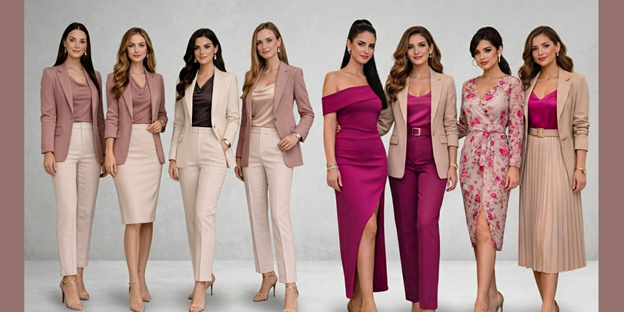
Figure 9 Perceptual closure and minimalism in garment composition (Source: Author’s compilation based on adapted references).
This scientific approach proves that a garment’s first impression happens incredibly fast. Before a customer even looks at the price tag, their brain has already judged the quality based on these visual rules. Research indicates that people form a price expectation just by looking at the aesthetics; if a garment follows these brain-friendly design rules, it automatically feels more valuable to the consumer.13
The theoretical framework of clothing composition: the four pillars
The elements of design in fashion refer to the fundamental components or building blocks used by designers to create visually appealing and well-balanced garments.12 These elements line, form, space, texture, and color are the basic visual symbols used to create all objects. To move from a creative idea to a physical product, fashion designers rely on a structured framework. This framework bridges the gap between technical construction and artistic expression.28 It is built upon four essential pillars that determine the final look and feel of a garment. According to academic analysis, these pillars interact to define the superiority of a design.29
As illustrated in Figure 10, the framework of the Four Pillars Material, Structure, Form, and Function provides a comprehensive model for understanding the Aesthetic Soul of a garment. Comparative examples demonstrate how the tangible foundation (Material) and structural organization (Structure) interact with the resulting silhouette (Form) and functional purpose (Function), highlighting the interplay between technical construction and aesthetic outcome in fashion design.
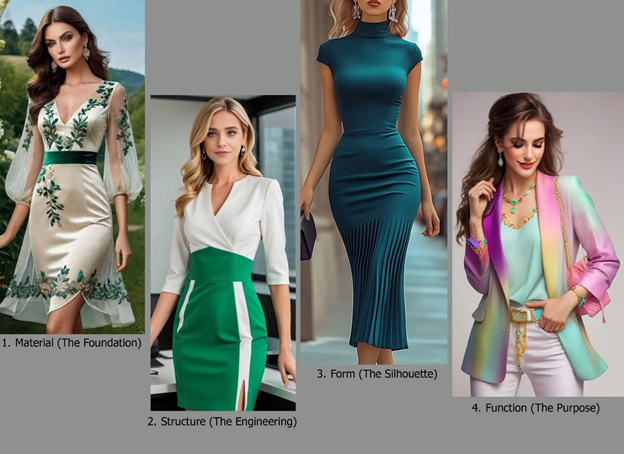
Figure 10 Foundational dimensions of fashion design: the four pillars of aesthetic integrity (Source: Author’s compilation based on adapted references).
The role of fabric in perception
The material determines two major things: Drape and Texture.
Material and perceived value
From a psychological perspective, the weight and feel of a material change the Perceived Value of the garment.13 Consumers often associate heavier fabrics with higher quality and durability. This is known as Haptic Perception the process of recognizing objects through touch. If a designer uses a high-quality material that feels rich to the touch, the consumer’s brain automatically assigns a higher price tag to the item, even before seeing the brand name.
In modern fashion, material science is also introducing Smart Fabrics and sustainable textiles.34 For fashion students, understanding the relationship between the fiber (the science) and the finished look (the art) is the first step in bridging the gap between construction and aesthetic.
Structure: The engineering of the aesthetic: Fashion has long been considered as an essential element in the construction of identity and aesthetics. It is not simply about beauty but also about power, status, and resistance.35 If Material is the skin of a garment, Structure is the skeleton. It refers to the internal architecture and the technical methods used to join pieces of fabric together. Structure is what gives a garment its stability and allows it to transform from a flat piece of cloth into a three-dimensional object that fits the human body.
The technical skeleton
Structure is created through several key techniques:
Structure as a signal of quality
In the fashion industry, the complexity of a garment’s structure is often a direct signal of its price point. Soft construction is cheaper and easier to produce (like a basic T-shirt), while hard construction requires more skill and time. For the consumer, a highly structured garment often communicates professionalism, power, and high value. This is why business suits and evening gowns are heavily structured; the stiffness suggests a level of control and finesse that loose, unstructured clothing lacks. For fashion students, mastering structure is the most difficult but rewarding part of the creative process, as it is the foundation upon which the form or silhouette is built.
Form: The architectural silhouette and visual identity: The silhouette is perhaps the most key element in conveying clothing style and aesthetics.36 It encompasses the way the garment fits and drapes on the body, as well as its overall volume and proportions. The silhouette is an essential element through which a designer's sensibility is expressed While Structure serves as the internal engineering, Form is the external result. In fashion design, form is synonymous with the silhouette the overall shape or outline that a garment creates when worn on the body. It is the most immediate way a designer communicates an aesthetic identity, acting as a visual shorthand for the brand.
The language of shape
Form acts as a powerful visual language. Different silhouettes tell different stories and evoke specific historical or cultural meanings:
Form and the human proportions
The success of a form depends on how it relates to human proportions. A well-designed silhouette can correct, balance, or enhance a wearer's body shape, which is a major reason why consumers are drawn to specific designers. By manipulating the form such as raising a waistline or broadening a shoulder a designer can make a person look taller, more powerful, or more elegant. This ability to transform the human body is what makes the form pillar the most creative and recognizable aspect of the aesthetic soul.
Function: The purpose and wear ability of design: The fourth and final pillar of clothing composition is Function. While the other three pillars focus on how a garment looks and is made, Function focuses on how the garment works. In a professional context, a design is only successful if it can be worn, moved in, and used for its intended purpose. It explores the extent to which fashion serves as a tool for personal liberation versus a mechanism of societal conformity.35
The balance of utility and beauty
Function involves several practical considerations:
Function as a modern aesthetic
In the 21st century, function has actually become an aesthetic itself often called useful or tech wear. Many consumers now find beauty in the usefulness of a garment, such as having multiple pockets, waterproof zippers, or adjustable straps. This shift shows that function is not the enemy of creativity, rather, it is a tool that designers use to make their work relevant to the modern world. For students, learning to integrate function without sacrificing the soul of the design is the ultimate test of their skill.
Color theory and chromatic psychology
Color in clothing and fashion environments reliably shapes consumers’ emotions and can influence their decisions, but its effect is context‑dependent on culture, fabric, setting, and other design elements.37,38 While the physical construction Material, Structure, and Form creates the body of a garment, Color provides its immediate emotional voice.39 Color is one of the most important elements of design and is the direct result of reflected light. In the fashion ecosystem, the color of clothing plays a decisive role in a consumer's emotional reaction and their eventual selection of clothes, which in turn affects design trends, the manufacturing focus of the fashion industry, and overall retail sales.40
As illustrated in Figure 11, color functions as the primary emotional voice within the fashion system. Comparative examples demonstrate how, while the physical pillars of Material, Structure, and Form establish the garment’s form, color through the reflection of light elicits immediate psychological responses in the observer. This visual analysis highlights how palette selection shapes consumer perception, influences emotional engagement, and impacts both retail behavior and broader manufacturing trends.
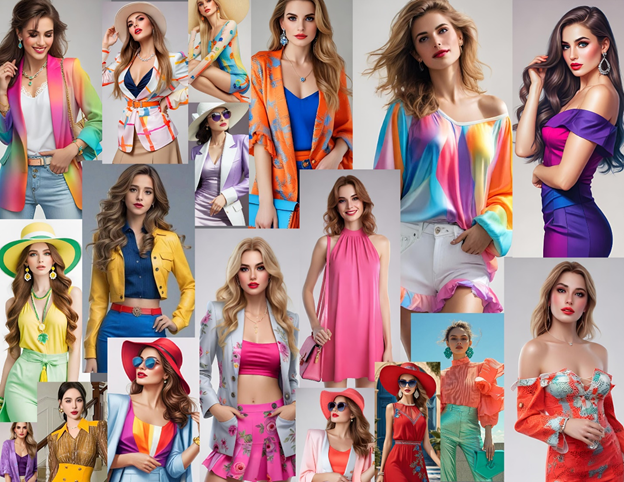
Figure 11 The role of color in shaping emotional response and consumer behavior (Source: Author’s compilation based on adapted references).
The characteristics that affect the emotional response to a color are not universal; they are a complex interaction of several variables:
Designers are intensely aware of this intimate relationship between colors and human needs.41 Color holds the incredible ability to create contrast, establish harmony, and strike a delicate balance within garments. Furthermore, color is a critical cue for attraction; understanding color perception is essential for improving color forecasting and gaining a deeper understanding of human attraction and consumer desire.42 Once a garment is functional and structured, Color is the 'signal' that tells the brain what the garment is for.
Materiality, texture, and the sensory experience of fashion
If color acts as the initial psychological signal for the brain, Texture serves as the tangible confirmation of that signal. While visual elements like color and silhouette dominate initial perception, texture provides the sensory depth required to solidify an aesthetic classification. Texture refers to the tactile quality of a garment the surface characteristics that can be felt or seen. As established in the introduction, haptic knowledge is essential because the physical weight, weave, and finish of a textile dictate how it interacts with light and the human body.
A designer’s understanding of materiality allows them to manipulate the emotional weight of a garment. This manipulation is evident in how different textiles communicate distinct narratives:
The interplay between texture and color is also critical; a matte surface absorbs light and deepens a hue, creating a sense of understated elegance and quiet luxury. In contrast, a glossy texture reflects light, creating highlights that can visually alter the perceived silhouette and make the form appear more dynamic. Ultimately, the tactile quality of the material is what moves a design from a 2D drawing to a 3D experience that interacts directly with the consumer’s senses.29
Proportion, balance, and the mathematics of harmony
If Color is the voice and Texture is the skin, Proportion is the mathematical logic that holds the design together. Proportion is the relationship of one part of a garment to another and to the ensemble as a whole. It is often the invisible element of design that determines whether an ensemble feels balanced or harmonious to the viewer.43 To achieve this, designers frequently utilize the Golden Ratio (1:1.618) or the Rule of Thirds to create proportions that are naturally pleasing to the human eye, rooted in centuries of mathematical and architectural theory.
As illustrated in Figure 12, the Rule of Thirds and the Golden Ratio (1:1.618) serve as invisible structural principles that guide aesthetic harmony in fashion design. Comparative examples demonstrate how deviations from a balanced split such as a 50/50 visual division can create boxy or unrefined silhouettes, whereas adherence to the 1/3 styling rule naturally elongates the figure, establishes a refined visual flow, and enhances overall compositional sophistication.
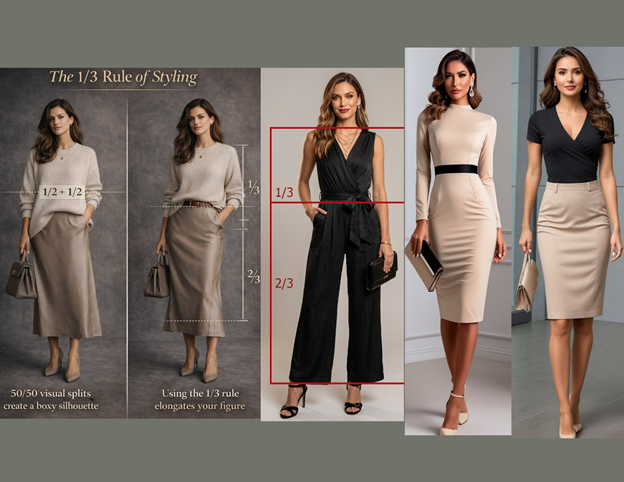
Figure 12 Mathematical logic in aesthetic design: the Rule of Thirds and the Golden Ratio (Source: Author’s compilation based on adapted references).
By strategically manipulating the waistline, shoulder width, or hem length, a designer can create optical illusions such as shortening or lengthening the torso to achieve a desired aesthetic result.44 Proportion works in tandem with the silhouette; while the silhouette defines the outer boundary of the garment, proportion defines the internal divisions.
This strategic manipulation is a primary concern for designers seeking to enhance the overall value and finesse of their collections. When the proportions are mathematically balanced, the garment feels expensive and well-engineered to the observer, even if they cannot consciously explain why.21 This sense of "engineered beauty" is a major driver of consumer trust and brand prestige.
Synthesis: The synergy of design elements in aesthetic classification
The preceding analysis demonstrates that no single design element operates in isolation; rather, the Impact on Fashion Aesthetics is the cumulative result of synergy the interaction between color, silhouette, texture, and proportion. A garment's aesthetic classification, whether it be minimalist, baroque, or avant-Garde, is solidified only when the structural pillars of material and form align with the sociocultural messages of status and identity. Literature suggests that for designers to bridge the gap between technical construction and high-value output, they must move beyond treating these as separate categories and instead view them as a unified visual vocabulary. This synthesis is what allows a design to transcend its functional utility and become a celebrated artifact of human culture.29
By understanding this complete approach, designers can ensure that every technical choice from a specific seam line to a fabric finish serves the overarching aesthetic intent. This unified approach is what ultimately creates value in the eyes of the consumer, as the garment feels intentional, balanced, and complete. Without this synergy, the soul of the design remains fragmented, failing to achieve the iconic status required in the competitive global market.
The educational perspective: Bridging theory and industry practice
The pedagogical challenge: Moving from concept to construction
A central challenge in fashion education is the technical friction that arises when a student’s creative vision surpasses their practical skills. While Chapter 2 outlined the mathematical and psychological foundations of design, the student’s learning course is shaped by the effort required to translate these ideals into tangible garments. Effective pedagogy, therefore, emphasizes the transition from the 2D mood board (aesthetic intent) to the 3D garment (structural reality). In this context, the “Four Pillars” framework (Section 2.3) functions as a practical checklist, guiding students from conceptual understanding to actionable design decisions.
Digital synthesis: The impact of 3D prototyping (CLO3D) on aesthetic development
Contemporary fashion curricula increasingly rely on digital tools to bridge the gap between theory and practice. CLO3D, a 3D garment simulation platform, allows students to experiment with color, texture, proportion, and structural elements in a virtual environment.45 Acting as a digital laboratory, the software enables the immediate visualization of how a seam line (Structure) interacts with a silhouette (Form) on a customizable avatar, eliminating the constraints of fabric consumption and construction time.
As illustrated in Figure 13, CLO3D functions as a virtual laboratory for fashion design, enabling real-time visualization of complex variables such as material texture, structural detailing (seams and construction), and resulting silhouette (Form) on a customizable avatar. Comparative examples demonstrate how this digital synthesis allows designers and researchers to iterate rapidly, optimize the Aesthetic Soul of a garment, and achieve mathematical and visual precision prior to physical prototyping, thereby promoting efficiency and sustainability in contemporary fashion design.
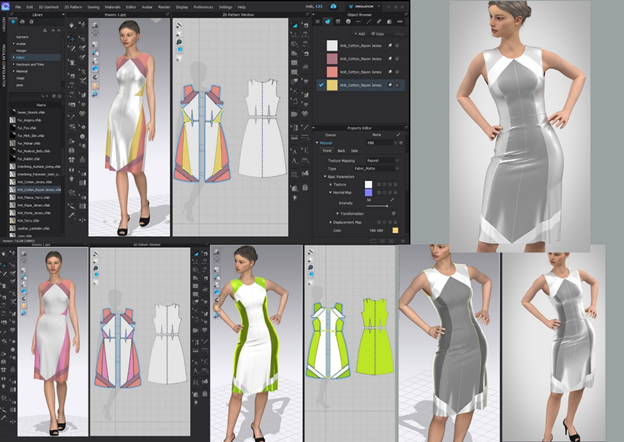
Figure 13 Digital Prototyping and Aesthetic Simulation in the CLO3D Environment applied different type of patterns, fabrics and texture. (Source: Original Patterns, Virtual design & Simulations created by the authors).
By providing a real-time feedback loop, CLO3D lowers technical barriers, encourages experimentation with complex proportions and materials, and ensures that the “Unified Visual Vocabulary” is consistently maintained from initial concept to final garment.46
Sustainability as a functional aesthetic
Sustainability has evolved from an ethical consideration to a core design principle in contemporary fashion. For students, this introduces an additional dimension to the Materiality pillar designing with circularity in mind through biodegradable fabrics, zero-waste pattern cutting, or material optimization alters both the aesthetic and communicative qualities of garments.47 This eco-aesthetic not only shapes silhouettes and textures but also conveys socially responsible values, demonstrating that design elements serve as powerful tools for expressing environmental consciousness within fashion education and practice.
Research design
This study adopts a qualitative descriptive research design to examine how fundamental design elements influence the formation of fashion aesthetics. A qualitative approach is appropriate for exploring conceptual relationships between visual design variables and aesthetic perception in fashion studies. The research focuses on interpreting the interaction of design elements such as line, silhouette, color, texture, and proportion, and their role in shaping aesthetic identity in garments. The study integrates theoretical analysis with digital simulation, enabling both conceptual interpretation and controlled visual experimentation.
Data sources
The study primarily relies on secondary data sources, including:
These sources provide a theoretical foundation for understanding the relationship between design elements and aesthetic perception.
Analytical framework
The study adopts a four-pillar analytical framework Material, Structure, Form, and Function to systematically examine how garment construction interacts with visual design components:
These dimensions are analyzed alongside visual design elements (line, color, texture, and proportion) to understand their combined influence on fashion aesthetics.
Digital simulation using CLO3D
Digital garment simulations were conducted using CLO3D as a visualization and prototyping tool. A standardized virtual avatar with fixed body measurements was used to ensure consistency across all simulations. A series of digital garments were developed in which specific design elements were systematically manipulated while keeping other variables constant.
The simulations focused on:
This controlled setup enabled comparative visual analysis of how individual design elements influence overall garment aesthetics.
Experimental variables
To ensure methodological clarity, the study distinguishes between independent and controlled variables:
Independent variables:
Controlled variables:
This approach ensures that observed differences in aesthetic outcomes result from deliberate design modifications.
Evaluation criteria
Visual outcomes were assessed using established design principles to reduce subjectivity. The evaluation criteria included:
Each simulation was analyzed comparatively to identify how variations in design elements altered aesthetic perception.
Data analysis
The study employs qualitative interpretive analysis combined with comparative visual assessment. Patterns were identified by examining how controlled variations in design elements influenced aesthetic outcomes across simulations.
Insights from theoretical literature and digital experimentation were synthesized to develop a conceptual framework linking garment construction with aesthetic perception
Influence of line and silhouette on visual structure
The simulation results (Figure 13) demonstrate that line direction and silhouette configuration play a primary role in establishing the visual structure of a garment. Variations in line orientation significantly altered the perception of body proportions. As shown in Figure 3, variations in line direction vertical, horizontal, diagonal, and curved significantly influence visual perception by altering perceived proportions and guiding the viewer’s eye across the garment. Silhouette variations further reinforced these effects. Fitted silhouettes emphasized body contours and produced a more structured and formal aesthetic, while voluminous silhouettes redistributed visual weight, creating softer and more relaxed forms. The interaction between line and silhouette directly influenced balance and proportion, confirming that these elements function as primary drivers of initial visual perception.
Impact of color on visual emphasis and perception
Color variations revealed a strong influence on visual emphasis and focal hierarchy. High-contrast color combinations created immediate focal points (Figure 11) (Figure 13), drawing attention to specific garment areas, while low-contrast palettes produced a more unified and harmonious appearance. The placement of color also affected perceived body proportions. For instance, darker tones in lower garment sections visually reduced volume, whereas lighter or brighter colors expanded perceived areas. These findings align with established principles of visual perception, where contrast and color distribution govern emphasis and balance within a design.
Role of texture and material in depth and quality perception
Fabric texture and material properties significantly contributed to the perception of depth and garment quality. Simulations showed (Figure 13) that textured fabrics enhanced visual richness and complexity, while smooth fabrics created a cleaner and more minimal aesthetic. Drape behavior also played a critical role. Softer materials produced fluid forms that adapted to body movement, whereas stiffer materials maintained structured shapes. These differences influenced harmony and realism, demonstrating that material selection is integral not only to construction but also to aesthetic interpretation. As shown in Figure 4 variations in textile texture ranging from smooth to highly embellished surfaces significantly influence light interaction and depth perception, thereby enhancing visual richness and contributing to the perceived quality of garments.
Structural elements and form development
In the Figure 13, showed that the Structural components such as seams, darts, and paneling were found to directly shape garment form. Adjustments in seam placement altered visual segmentation, while darts controlled volume distribution and body conformity. These elements functioned within the Material-Structure-Form-Function framework, where construction techniques translated two-dimensional patterns into three-dimensional forms. The results indicate that structural detailing is not merely technical but actively contributes to aesthetic definition by guiding form and proportion.
Integrated effect of design elements on aesthetic harmony
The analysis confirms that fashion aesthetics emerge from the interaction of multiple design elements rather than isolated variables. While silhouette and color establish initial visual impact, elements such as texture, proportion, and structural detailing refine the overall aesthetic outcome. Garments that achieved high levels of aesthetic coherence consistently demonstrated alignment across evaluation criteria balance, proportion, emphasis, and harmony. In contrast, designs with conflicting element interactions resulted in visual imbalance or reduced clarity. This supports the study’s central argument that aesthetic quality is a product of systemic design integration, where technical construction and visual elements operate as a unified system.
Implications for digital fashion design and education
The findings highlight the value of digital simulation tools such as CLO3D in enabling controlled experimentation with design variables. By allowing designers to isolate and manipulate specific elements, digital environments support a deeper understanding of how aesthetic outcomes are constructed. This has practical implications for design education, where simulation-based learning can enhance students’ ability to connect theoretical design principles with practical application. Additionally, digital prototyping contributes to more efficient iteration processes and supports sustainable design practices by reducing reliance on physical sampling.
Limitations of the study
This study is based on qualitative analysis using secondary data and visual interpretation, which introduces a degree of subjectivity in evaluating aesthetic outcomes. Although digital simulation using CLO3D enables controlled visualization of design variables, it cannot fully replicate real-world tactile properties, fabric behavior, or wearer experience. Furthermore, the study does not include empirical user or consumer testing; therefore, aesthetic perceptions are incidental from theoretical frameworks and simulated observations rather than validated through direct user feedback. These limitations may affect the generalizability of the findings. Future research should incorporate quantitative approaches and user-based evaluation methods to provide empirical validation and strengthen the reliability of the proposed framework.
This study examined how fundamental design elements line, silhouette, color, texture, and proportion interact with the structural dimensions of Material, Structure, Form, and Function to shape fashion aesthetics and influence visual perception. By integrating qualitative analysis with digital simulation using CLO3D, the research provides a systematic approach to understanding how individual design variables contribute to overall aesthetic outcomes. The findings demonstrate that fashion aesthetics are not determined by isolated elements but emerge from the coordinated interaction of multiple design components. Among these, silhouette and color establish the initial visual impact, while texture, proportion, and structural detailing refine depth, balance, and perceived quality. The application of evaluation criteria balance, proportion, emphasis, and harmony enables a more structured interpretation of aesthetic performance. This study contributes to the field of fashion design by proposing a conceptual framework that links technical garment construction with aesthetic perception. It also highlights the role of digital prototyping in supporting controlled experimentation, with practical implications for design education and sustainable product development.
Future research should extend this work through empirical validation, including user perception studies and quantitative analysis, to enhance the generalizability and applicability of the findings.
None.
None.
The author declares no conflict of interest.

©2026 Habib, et al. This is an open access article distributed under the terms of the, which permits unrestricted use, distribution, and build upon your work non-commercially.