Journal of
eISSN: 2574-8114


Literature Review Volume 12 Issue 3
 Md Tajbir Husain,2 Md. Akash Islam,2 Abdullah Al Rakib,2 Saiful Islam,2 Al Arafat Miran,2 Mohammed Shamsul Alam2
1Department of Fashion Design & Technology (FDT), Sonargaon University (SU), Dhaka, Bangladesh
2Department of Apparel Manufacture & Technology (AMT), Sonargaon University (SU), Dhaka, Bangladesh
Correspondence: Md Ahshan Habib, Department of Fashion Design & Technology (FDT), Sonargaon University (SU), Dhaka, Bangladesh
Received: May 04, 2026 | Published: June 18, 2026
Citation: Habib A, Husain T, Islam A, e al. Green marketing and circular fashion in Bangladesh’s RMG industry: examining the role of merchandisers. J Textile Eng Fashion Technol. 2026;12(3):236-246. DOI: 10.15406/jteft.2026.12.00469
The growing emphasis on sustainability within the global apparel industry has accelerated the adoption of green marketing and circular fashion practices, particularly in export-oriented manufacturing sectors such as Bangladesh’s ready-made garments (RMG) industry. Despite increasing attention to sustainable production and circular economy initiatives, the role of merchandisers in facilitating these transformations remains underexplored. This study employs an Integrative Literature Review (ILR) approach to examine how merchandisers contribute to the alignment of green marketing strategies and circular fashion practices within Bangladesh’s RMG sector. A structured literature search was conducted using major academic databases and institutional sources, and a PRISMA-inspired screening process was applied to identify and evaluate 51 relevant studies and industry reports. The findings reveal that merchandisers function as critical sustainability intermediaries by coordinating sustainable sourcing, ensuring compliance with environmental standards, facilitating stakeholder communication, and supporting the implementation of circular business practices. However, their effectiveness is constrained by challenges including limited technical expertise, cost pressures, inconsistent buyer requirements, and inadequate recycling infrastructure. The study further highlights the importance of stakeholder collaboration, institutional support, and capacity-building initiatives in strengthening sustainability integration across apparel supply chains. By conceptualizing merchandisers as key agents of sustainability implementation, this research contributes to the growing literature on sustainable apparel production and provides practical and policy-relevant insights for advancing green marketing and circular fashion within Bangladesh’s RMG industry.
Keywords: green marketing, circular fashion, Ready-Made Garments (RMG), merchandisers, sustainability, circular economy, Bangladesh
The global apparel industry is undergoing a significant transformation driven by increasing environmental concerns, regulatory pressures, and changing consumer preferences toward sustainability.1 Concepts such as green marketing and circular fashion have gained prominence as essential strategies for reducing the environmental footprint of textile and garment production. Green marketing emphasizes environmentally responsible production, promotion, and consumption practices, while circular fashion promotes resource efficiency through reuse, recycling, and waste minimization.2–4 Together, these approaches represent a paradigm shift from the traditional ‘linear take–make–dispose’ model toward a more sustainable and regenerative system.
As one of the world's largest exporters of ready-made garments (RMG), Bangladesh plays a critical role in the global apparel supply chain. The sector contributes significantly to the country’s economy, employment generation, and foreign exchange earnings.5 However, the rapid expansion of the RMG industry has also raised concerns regarding environmental degradation, excessive resource consumption, and waste generation. In response, international buyers, regulatory bodies, and sustainability-focused organizations are increasingly demanding compliance with environmentally responsible practices. Institutions such as the Bangladesh Garment Manufacturers and Exporters Association and the Ellen MacArthur Foundation have been actively promoting sustainable initiatives, including circular-economy frameworks and eco-friendly production processes in the industry.6,7
Within this evolving context, merchandisers occupy a pivotal position in the apparel value chain. Traditionally responsible for coordinating between buyers and manufacturers, merchandisers oversee product development, sourcing, pricing, and order execution. Their role has expanded in recent years to include responsibilities related to sustainability compliance, material selection, and communication of environmental attributes to international clients. As intermediaries, merchandisers are uniquely positioned to influence both upstream and downstream processes, making them critical agents in integrating green marketing strategies with circular fashion practices.8,9
Despite the growing importance of sustainability in the RMG sector, the specific contribution of merchandisers to this transition remains underexplored in academic literature. Existing studies have largely focused on production technologies, supply chain management, or corporate sustainability initiatives, often overlooking the operational and strategic roles played by mid-level actors such as merchandisers. This gap is particularly relevant in the context of Bangladesh, where the successful implementation of green and circular practices depends not only on policy directives and technological adoption but also on effective coordination across the supply chain.10,11 Furthermore, the integration of green marketing and circular fashion presents several practical challenges. These include limited access to sustainable raw materials, higher production costs, lack of technical expertise, and inconsistencies in buyer requirements. Merchandisers must navigate these complexities while balancing cost efficiency, quality standards, and delivery timelines. Their ability to interpret sustainability requirements and translate them into actionable production strategies is therefore crucial for achieving meaningful progress in this domain.12–14
Against this backdrop, the present study aims to examine the role of merchandisers in facilitating the integration of green marketing and circular fashion within Bangladesh’s RMG industry.15 By drawing on secondary data from industry reports, organizational publications, and existing scholarly literature, the study seeks to provide insights into how merchandisers contribute to sustainable product development, sourcing decisions, and compliance with environmental standards. It also explores the challenges they face and identifies opportunities for enhancing their effectiveness in promoting sustainability.
The significance of this study lies in its focus on a relatively underrepresented yet strategically important group of professionals within the apparel industry. By highlighting the role of merchandisers, the research contributes to a more comprehensive understanding of how sustainability initiatives are operationalized in practice. Moreover, the findings are expected to offer practical implications for industry stakeholders, policymakers, and training institutions aiming to strengthen the capacity of merchandisers in supporting sustainable transformation.
In conclusion, as sustainability becomes an integral component of global apparel trade, the role of merchandisers is evolving beyond traditional functions toward more strategic involvement in environmental and circular initiatives. Understanding this evolving role is essential for ensuring the successful integration of green marketing and circular fashion in Bangladesh’s RMG industry and for maintaining the sector’s competitiveness in an increasingly sustainability-driven global market.
Research objectives
General objective
To examine how merchandisers facilitate the integration of green marketing and circular fashion practices in Bangladesh’s RMG industry.
Specific objectives
Research questions
Conceptual foundations of green marketing
Green marketing has evolved as a strategic response to increasing environmental concerns and stakeholder pressure on businesses to adopt sustainable practices.16,17 It encompasses the development, promotion, and distribution of products that minimize negative environmental impacts while meeting consumer needs. Early studies conceptualized green marketing primarily as an environmentally responsible promotional tool; however, contemporary perspectives extend beyond communication to include product design, sourcing, and lifecycle management.18
Green marketing is not limited to environmental claims but involves integrating sustainability into the core business strategy.19 This includes eco-labeling, sustainable packaging, reduced carbon emissions, and ethical sourcing practices. In the apparel industry, green marketing has become particularly relevant due to the sector’s high resource intensity and environmental footprint. Research indicates that brands leveraging green marketing strategies can enhance brand image, build consumer trust, and achieve a competitive advantage.20 However, concerns about green-washing misleading environmental claims highlight the need for transparency and verifiable practices.
In developing economies, the adoption of green marketing is influenced by external pressures such as buyer requirements, international regulations, and global sustainability standards. This dynamic positions manufacturers and intermediaries as key actors in translating sustainability expectations into operational practices.21,22
Circular fashion and the shift toward a regenerative model
Circular fashion represents a systemic approach aimed at eliminating waste and maximizing resource efficiency within the apparel lifecycle.23 Rooted in circular economy principles, it emphasizes designing out waste, keeping products and materials in use, and regenerating natural systems. This model contrasts sharply with the traditional linear production system, which is characterized by resource extraction, mass production, and disposal.24–26
The literature identifies several core strategies associated with circular fashion, including recycling, up-cycling, product longevity, repair, and closed-loop supply chains. These strategies require collaboration among multiple stakeholders, including designers, manufacturers, retailers, and consumers. Technological innovation, such as fiber-to-fiber recycling and digital tracking systems, also plays a critical role in enabling circularity.27,28 Despite its potential, the implementation of circular fashion faces significant barriers, particularly in developing countries. These include limited infrastructure for recycling, a lack of consumer awareness, and economic constraints. Furthermore, integrating circular practices into existing supply chains requires substantial changes in production processes, business models, and stakeholder coordination. Studies emphasize that successful adoption depends on aligning economic incentives with environmental objectives.29–31
Sustainability challenges in the RMG industry
The ready-made garments (RMG) sector is widely recognized for its economic contribution, particularly in export-oriented economies.32 However, it is also associated with significant environmental and social challenges. Key environmental concerns include excessive water usage, chemical pollution, energy consumption, and textile waste. These issues have attracted increasing scrutiny from international organizations, policymakers, and consumers.33
Research highlights that sustainability in the RMG sector is driven by both compliance and competitiveness. Manufacturers are required to adhere to environmental standards set by global brands and regulatory bodies, which often include certifications related to water management, chemical use, and energy efficiency. At the same time, sustainability initiatives can provide strategic advantages by enhancing market access and brand reputation.34,35
In Bangladesh, the RMG industry has made notable progress in adopting environmentally friendly practices, such as the establishment of green factories and the use of energy-efficient technologies. However, challenges persist, including limited access to sustainable raw materials, high implementation costs, and gaps in technical expertise. The literature suggests that addressing these challenges requires coordinated efforts across the supply chain, as well as capacity-building initiatives for industry stakeholders.36
The evolving role of merchandisers in apparel supply chains
Merchandisers play a central role in the coordination and execution of apparel production processes.37,38 Traditionally, their responsibilities have included order management, pricing, sourcing, and communication between buyers and manufacturers. However, the scope of their role has expanded significantly in response to changing industry dynamics.39 Recent studies indicate that merchandisers are increasingly involved in strategic decision-making processes, particularly in areas related to sustainability and compliance. They are responsible for interpreting buyer requirements, selecting appropriate materials, and ensuring that production processes align with environmental and social standards. This expanded role positions merchandisers as key intermediaries who influence both upstream sourcing decisions and downstream marketing strategies.40,41
The literature also highlights the importance of skills and competencies in enabling merchandisers to fulfill these responsibilities effectively. These include knowledge of sustainable materials, understanding of certification requirements, and the ability to communicate sustainability attributes to clients. However, there is evidence of skill gaps, particularly in developing countries, where training opportunities and access to information may be limited.
Linking green marketing with circular fashion practices
The integration of green marketing and circular fashion represents a holistic approach to sustainability in the apparel industry. While green marketing focuses on communicating environmental value to consumers, circular fashion emphasizes the operational and systemic changes required to achieve sustainability.42,43 The literature suggests that these two concepts are interdependent, as effective marketing relies on genuine sustainable practices, and circular initiatives require clear communication to gain market acceptance. Studies highlight that aligning marketing strategies with circular practices can enhance brand credibility and consumer engagement. For example, promoting recycled materials or take-back programs can strengthen a brand’s sustainability image while supporting circular objectives.44,45 However, this alignment requires accurate information, transparency, and coordination across the supply chain.
Merchandisers play a crucial role in this integration by ensuring that sustainability claims are supported by actual practices. They are involved in sourcing eco-friendly materials, verifying compliance with standards, and communicating product attributes to buyers.46 This intermediary role is essential for bridging the gap between production and marketing functions.
Barriers and opportunities for sustainable transformation
The transition toward green marketing and circular fashion is not without challenges.47 The literature identifies several barriers, including financial constraints, lack of infrastructure, limited technological capabilities, and resistance to change. In many cases, the initial costs of adopting sustainable practices can be prohibitive, particularly for small and medium-sized enterprises.48 Another significant challenge is the lack of standardized frameworks and guidelines for implementing circular practices. This creates uncertainty and inconsistency across the industry. Additionally, varying buyer requirements can complicate compliance efforts and increase operational complexity.49 Despite these challenges, there are also significant opportunities for sustainable transformation. Increasing consumer awareness and demand for eco-friendly products create incentives for adopting green and circular practices.50 Technological advancements, such as digital supply chain management and innovative recycling methods, offer new possibilities for improving efficiency and reducing environmental impact.51 The literature emphasizes the importance of capacity building, policy support, and stakeholder collaboration in overcoming barriers. Training programs for merchandisers and other industry professionals can enhance their ability to implement and manage sustainability initiatives effectively. Based on the reviewed literature, a conceptual framework is developed to illustrate the role of merchandisers in integrating green marketing and circular fashion practices within Bangladesh’s RMG industry
Theoretical foundation
The conceptual framework of this study is grounded in Stakeholder Theory, Institutional Theory, and Supply Chain Integration Theory. Stakeholder Theory suggests that organizational sustainability performance depends on effectively addressing the expectations of various stakeholders, including buyers, suppliers, regulators, consumers, and industry associations. In Bangladesh's RMG industry, merchandisers serve as intermediaries who coordinate stakeholder interests and facilitate sustainability-related communication.
In buyer-driven global apparel supply chains, merchandisers operate as sustainability intermediaries rather than primary decision-makers. Their role combines coordination, compliance management, sustainable sourcing facilitation, information exchange, and buyer–supplier relationship management. While they influence sustainability implementation, their decision-making authority remains constrained by buyer specifications, supplier capabilities, cost limitations, and organizational policies.
Institutional Theory explains how organizations respond to external pressures arising from regulations, buyer requirements, industry standards, and societal expectations. Increasing sustainability requirements imposed by global brands encourage manufacturers and merchandisers to adopt environmentally responsible practices. Supply Chain Integration Theory emphasizes coordination, information sharing, and collaboration among supply-chain participants. Merchandisers play a central role in integrating sustainability requirements across sourcing, production, compliance, and marketing functions.
Collectively, Stakeholder Theory, Institutional Theory, and Supply Chain Integration Theory provide a comprehensive framework for understanding how merchandisers facilitate sustainability integration within Bangladesh's apparel supply chains. These theories were selected because they capture the stakeholder relationships, institutional pressures, and coordination mechanisms that shape sustainability implementation within buyer-driven apparel supply chains.
Figure 1 Illustrates how green marketing and circular fashion practices influence sustainable outcomes in Bangladesh’s RMG industry through the mediating role of merchandisers.
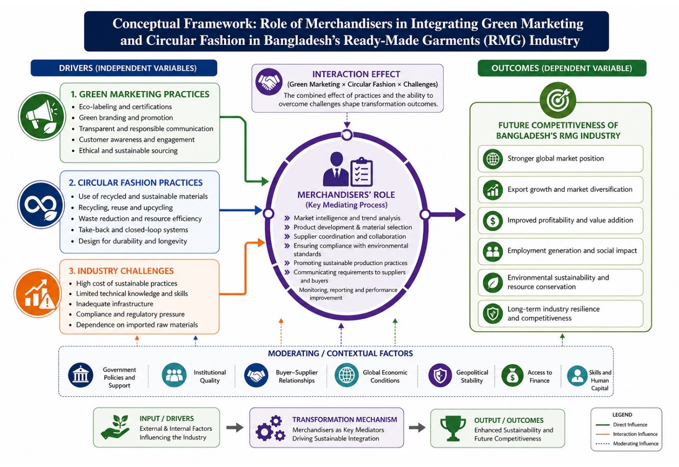
Figure 1 Conceptual framework of the study.
Green marketing focuses on eco-labeling, branding, and transparent communication, while circular fashion emphasizes recycling, reuse, and sustainable material use. Merchandisers act as key intermediaries by linking these practices with production activities through sourcing, coordination, compliance, and communication. The framework highlights outcomes such as improved environmental performance, competitiveness, and long-term resilience. Moderating factors, including policy support, economic conditions, and technological capabilities, shape the effectiveness of these relationships within the industry.
Research gap
While existing studies provide valuable insights into green marketing, circular fashion, and sustainability in the apparel industry, there is limited focus on the role of merchandisers as key actors in this transition. Most research tends to emphasize macro-level policies, technological innovations, or corporate strategies, overlooking the operational dynamics within the supply chain.
In particular, the integration of green marketing and circular fashion through the role of merchandisers remains underexplored. There is a need for more research that examines how these professionals contribute to sustainability efforts, the challenges they face, and the opportunities for enhancing their role.
This study addresses this gap by focusing on the role of merchandisers in facilitating the alignment of green marketing and circular fashion practices within the RMG industry. By drawing on secondary data, it provides a comprehensive analysis of their contributions and identifies areas for improvement in supporting sustainable transformation.
Existing literature generally examines green marketing, circular economy implementation, sustainability compliance, or supply-chain management as separate areas of inquiry. Although several studies acknowledge the importance of coordination within apparel supply chains, limited attention has been given to merchandisers as sustainability intermediaries responsible for translating buyer requirements into operational practices. Furthermore, very few studies explore how green marketing objectives and circular fashion strategies intersect through merchandising functions within developing-country contexts. This gap is particularly important in Bangladesh, where buyer-driven supply chains dominate production decisions and sustainability requirements continue to increase. Therefore, this study contributes by integrating these previously fragmented research streams into a unified analytical framework.
Contributions of the study
This study contributes to literature in three ways:
|
Author |
Context |
Methodology |
Key findings |
Relevance |
|
Wu et al. (2022) |
Sustainable Fashion |
Systematic Review |
Merchandising supports sustainability implementation |
Merchandisers |
|
Köksal et al. (2018) |
Apparel Supply Chain |
Case Study |
Intermediaries influence compliance |
Compliance Role |
|
Amin et al. (2024) |
Circular Economy |
Empirical Study |
Circular practices improve sustainability |
Circular Fashion |
|
Rahaman et al. (2025) |
Green Merchandising |
Literature Review |
Merchandising supports circularity |
Sustainability Integration |
|
Chaity et al. (2025) |
Circular Economy Adoption in Bangladesh RMG |
Empirical Study |
Stakeholder collaboration is essential for circular transition |
Circular Economy Adoption |
|
Salman et al. (2025) |
Circular Economy Transition in Bangladesh RMG |
Fuzzy DEMATEL Analysis |
Infrastructure and policy barriers hinder circular implementation |
Sustainability Barriers |
|
Hugo et al. (2021) |
Fashion Circular Economy |
Literature Review |
Identified major barriers and drivers of circular fashion adoption |
Circular Fashion Framework |
|
Cui et al. (2025) |
Green Marketing in Apparel Industry |
Review Study |
Green marketing enhances brand image and consumer trust |
Green Marketing |
|
Adamkiewicz et al. (2022) |
Sustainable Fashion |
Review Article |
Greenwashing remains a major challenge in sustainability communication |
Sustainability Communication |
|
Brydges (2021) |
Swedish Fashion Industry |
Case Study |
Circular business models require systemic supply-chain changes |
Circular Business Models |
|
Abdelmeguid et al. (2024) |
Circular Fashion Value Chain |
Conceptual Study |
Collaboration across the value chain is essential for circular behavior |
Supply Chain Integration |
|
Jacobs (2019) |
Apparel Merchandising Competencies |
Framework Development |
Merchandisers require sustainability-related skills and knowledge |
Merchandiser Competencies |
Table 1 Summary of selected key studies on green marketing, circular fashion, sustainability, and merchandising in the apparel industry
Research design
This study employs an Integrative Literature Review (ILR) approach to examine the role of merchandisers in facilitating the integration of green marketing and circular fashion practices within Bangladesh's ready-made garments (RMG) industry. An integrative literature review was selected because it allows the inclusion and synthesis of diverse sources of evidence, including peer-reviewed journal articles, industry reports, policy documents, sustainability frameworks, and organizational publications. Unlike systematic reviews that focus primarily on empirical studies, integrative reviews enable a broader understanding of complex interdisciplinary issues and emerging research areas. This approach is particularly appropriate because the role of merchandisers in sustainability implementation remains underexplored within existing literature. The study therefore seeks to synthesize current knowledge, identify recurring themes, evaluate existing evidence, and develop conceptual insights regarding sustainability integration in Bangladesh's RMG sector.
Literature search strategy
A structured literature search was conducted to identify relevant academic and industry sources related to green marketing, circular fashion, sustainability practices, and merchandising functions within the apparel sector. The search was performed between January and February 2026 using multiple academic databases and institutional repositories.
The databases included: Scopus, Web of Science, ScienceDirect, Google Scholar, SpringerLink, Taylor & Francis Online, Emerald Insight
The search covered publications from 2015 to 2026 to capture recent developments in sustainability and circular economy research.
The following search strings were used individually and in combination: (‘green marketing’ or ‘sustainable marketing’), (‘circular fashion’ or ‘circular economy’), (‘ready-made garments’ or ‘RMG industry’ or ‘apparel industry’) & (‘merchandiser’ or ‘merchandising’) (‘Bangladesh’)
Additional manual searches were conducted using reference lists of highly relevant articles and reports published by recognized organizations including BGMEA, the Ellen MacArthur Foundation, the World Bank, and UN agencies.
Inclusion and Exclusion criteria
To ensure consistency and relevance, predefined inclusion and exclusion criteria were applied during the selection process.
Inclusion criteria
Exclusion criteria
Screening and selection process
The study followed a structured screening process inspired by the PRISMA framework. Initially, 161 records were identified from academic databases and institutional sources. After removing 27 duplicate records, 134 unique sources were retained for title and abstract screening. From these, 60 records were excluded, leaving 74 full-text publications to be assessed for eligibility. Following a full-text review, 23 articles were excluded based on specific exclusion criteria (such as lack of RMG focus, low sustainability relevance, weak methodology, or duplicate evidence). Ultimately, 51 studies comprising 39 peer-reviewed articles and 12 industry reports were retained for qualitative synthesis and thematic analysis.
As illustrated in Figure 2, the review followed an integrative literature review protocol adapted from the PRISMA 2020 guidelines to ensure transparency, rigor, and reproducibility in the synthesis of evidence.
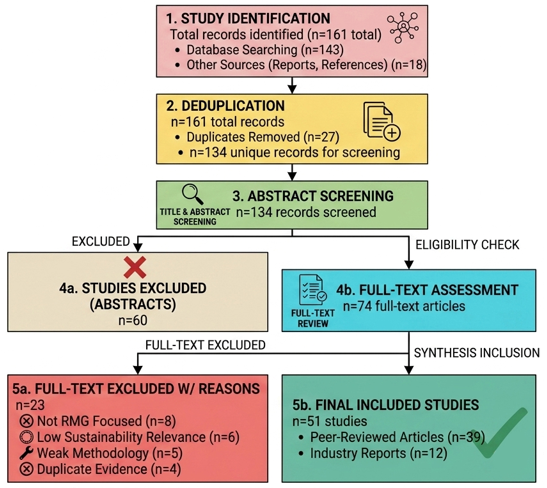
Figure 2 PRISMA-inspired flow diagram illustrating the identification, screening, eligibility assessment, and final inclusion of literature sources used in the integrative review.
Quality assessment of sources
To improve the reliability of findings, all selected sources were subjected to a quality evaluation process. Peer-reviewed journal articles were prioritized due to their academic rigor and methodological transparency. Industry reports and policy documents were assessed based on institutional credibility, publication reputation, relevance, and consistency with academic findings.
The quality assessment criteria applied in this review are presented in Table 2.
|
Criterion |
Evaluation focus |
|
Relevance |
Alignment with study objectives and research questions |
|
Credibility |
Reputation of publisher, journal, institution, or organization |
|
Methodological Quality |
Transparency of methods, data sources, and analytical procedures |
|
Contribution |
Relevance to green marketing, circular fashion, sustainability, or merchandising |
|
Evidence Strength |
Peer-reviewed article, industry report, policy document, or organizational publication |
Table 2 Source quality evaluation criteria applied in the integrative literature review
Sources were rated as high, moderate, or low quality based on these criteria, and only high- and moderate-quality sources were retained for final synthesis.
For quality assessment, each source was evaluated against the five criteria listed in Table 2. Sources satisfying four or more criteria at a high level were classified as high quality. Sources meeting three criteria were classified as moderate quality, while sources demonstrating limited methodological transparency, weak relevance, or insufficient evidence were classified as low quality. Only high-quality and moderate-quality sources were retained for synthesis. Low-quality sources were excluded from the final analysis to improve the reliability and credibility of the review findings. The quality assessment also informed the weighting of evidence during thematic interpretation, with greater emphasis placed on peer-reviewed studies and highly credible institutional reports.
Limitations of the study
Despite its strengths, the study has certain limitations. The reliance on secondary data means that findings are dependent on the availability and quality of existing information. The absence of primary data, such as interviews or surveys with merchandisers, may limit the depth of insight into their practical experiences. Additionally, variations in reporting standards across sources may affect the consistency of the analysis.
Ethical considerations
The study adheres to standard academic ethical practices by properly acknowledging all sources of information. Since the research is based entirely on publicly available secondary data, there are no issues related to confidentiality or human subject involvement.
Theme 1: Merchandisers as sustainability intermediaries
The analysis reveals that merchandisers play a critical role in translating sustainability requirements into actionable production processes. Rather than functioning solely as coordinators, they act as operational integrators who align buyer expectations with factory capabilities. Evidence from industry reports indicates that merchandisers are increasingly responsible for interpreting sustainability specifications, such as eco-friendly materials and compliance standards, and ensuring their implementation across production stages.
This role becomes particularly significant in bridging the gap between strategic sustainability commitments made by global brands and the practical constraints of manufacturing units. Merchandisers facilitate communication between multiple stakeholders, ensuring that sustainability requirements are clearly understood and executed. Their involvement in product development and order planning allows them to influence decisions at early stages, which is essential for integrating environmentally responsible practices.
These findings are consistent with previous studies that identify merchandisers as critical intermediaries in sustainable apparel supply chains. Wu et al. (2022) emphasized that merchandisers contribute to sustainability implementation by coordinating sourcing, compliance, and communication activities, while Köksal et al.41 highlighted their role in facilitating sustainability requirements between buyers and manufacturers. Similarly, Rahaman et al.46 argued that merchandisers serve as operational links connecting sustainability objectives with production realities. Therefore, the findings reinforce the view that merchandisers play a strategic rather than purely administrative role in sustainability integration.40,41,46
Theme 2: Sustainable sourcing and circular material management
One of the key areas where merchandisers exert influence is material selection. The findings suggest that merchandisers are actively involved in sourcing decisions, particularly in identifying and negotiating the use of sustainable and recycled materials. Their knowledge of supplier capabilities and market availability enables them to recommend alternatives that align with sustainability goals while maintaining cost efficiency.
However, the adoption of sustainable materials is not without challenges. Limited availability, higher costs, and inconsistent quality often constrain decision-making. Merchandisers must balance these constraints with buyer expectations, which sometimes prioritize sustainability without fully accounting for local limitations. As a result, merchandisers often engage in trade-offs, selecting materials that meet minimum sustainability criteria while ensuring production feasibility.
This highlights the need for enhanced supply chain transparency and stronger collaboration between buyers and suppliers to support more effective sourcing decisions.
The findings support earlier research indicating that sustainable material sourcing is one of the most significant determinants of circular fashion implementation. Amin et al.7 found that circular economy practices improve sustainability performance through responsible material selection and resource efficiency. Likewise, Chaity et al.8 emphasized the importance of stakeholder collaboration in ensuring access to sustainable materials, while Hugo et al.12 identified supply-chain limitations as major barriers to circular fashion adoption. These studies support the present finding that sourcing decisions are central to achieving sustainability objectives.7,8,12
Theme 3: Compliance governance and risk management
The findings further indicate that merchandisers are deeply involved in compliance monitoring and risk management related to sustainability standards. They are responsible for ensuring that production processes adhere to environmental regulations and buyer-specific requirements, including certifications and audit standards.
Merchandisers often act as the first point of accountability in maintaining compliance, coordinating with quality assurance teams and factory management to address any deviations. This responsibility extends beyond documentation to include active monitoring of production practices. Their role in risk mitigation is particularly important in avoiding reputational and financial risks associated with non-compliance.
At the same time, the increasing complexity of sustainability standards poses a challenge. Frequent updates to compliance requirements and variations across buyers create an environment of uncertainty. Merchandisers must continuously update their knowledge and adapt to evolving expectations, which requires ongoing training and institutional support.
These findings are consistent with previous studies demonstrating that compliance management has become an increasingly important aspect of merchandising responsibilities. Köksal et al.41 reported that sourcing intermediaries play a significant role in maintaining social and environmental compliance throughout apparel supply chains. Rahaman et al.46 further noted that sustainability-related certifications and standards require continuous monitoring and coordination. Consequently, merchandisers function as risk managers who help organizations avoid regulatory, reputational, and operational challenges associated with non-compliance.41,46
Theme 4: Supply chain coordination and stakeholder communication
Effective communication emerges as a central function of merchandisers in facilitating sustainability integration. The findings show that merchandisers serve as key communication channels between buyers, suppliers, and production teams. They are responsible for conveying sustainability requirements, clarifying expectations, and ensuring alignment among all stakeholders. This coordination role is particularly important in implementing circular fashion practices, which often require changes in production processes and collaboration across different stages of the supply chain. For instance, initiatives such as recycling or waste reduction depend on coordinated efforts involving material suppliers, manufacturers, and logistics providers. The ability of merchandisers to manage these interactions significantly influences the success of sustainability initiatives. Strong communication skills and the ability to negotiate between competing priorities are therefore essential competencies for merchandisers.
The literature consistently identifies coordination and communication as essential prerequisites for sustainability implementation. Stakeholder Theory suggests that sustainability outcomes depend on effective collaboration among supply-chain actors. Chaity et al.8 and Abdelmeguid et al.28 similarly emphasized that circular practices require cooperation among suppliers, manufacturers, buyers, and other stakeholders. The present findings therefore reinforce the importance of merchandisers as communication facilitators who support stakeholder alignment and sustainability integration.8,28
Theme 5: Structural barriers to sustainability integration
Despite their strategic importance, merchandisers face several constraints that limit their ability to fully integrate green marketing and circular fashion practices. The findings identify cost pressure as a major barrier, as sustainability initiatives often involve higher upfront investments. Buyers may demand sustainable products while maintaining strict cost targets, placing merchandisers in a challenging position.
Additionally, gaps in technical knowledge and limited access to training hinder the effective implementation of advanced sustainability practices. Many merchandisers lack specialized knowledge in areas such as circular design, lifecycle assessment, and sustainable material innovation. This limits their capacity to make informed decisions and advocate for more sustainable alternatives. Infrastructure limitations also play a role, particularly in supporting circular practices such as recycling and waste management. Without adequate facilities and technological support, the scope for implementing circular solutions remains constrained.
The identified barriers are consistent with findings reported across the circular economy and sustainable fashion literature. Salman et al.9 identified infrastructure limitations, policy gaps, and financial constraints as major obstacles to circular transition within Bangladesh’s RMG sector. Hugo et al.12 and Adamkiewicz et al.14 also reported technological limitations, knowledge gaps, and organizational resistance as recurring barriers to sustainability implementation. These challenges demonstrate that sustainability transformation requires systemic support beyond individual organizational efforts.9,12,14
Theme 6: Sustainability as a source of competitive advantage
The findings suggest that the effective involvement of merchandisers in sustainability initiatives contributes to enhancing the competitiveness of the RMG industry. By facilitating the adoption of environmentally responsible practices, merchandisers help manufacturers meet the evolving expectations of global buyers. This, in turn, strengthens market access and improves the industry’s reputation. Furthermore, sustainability integration can lead to operational efficiencies, such as reduced material waste and improved resource utilization. Merchandisers play a role in identifying these opportunities and incorporating them into production planning. Over time, these efficiencies can offset initial costs and contribute to long-term profitability. The ability to align sustainability with business performance is a key factor in maintaining competitiveness in the global apparel market. Merchandisers, as intermediaries, are well-positioned to drive this alignment.
The findings support previous research demonstrating that sustainability can contribute to long-term competitiveness and business performance. Cui et al.20 found that green marketing enhances brand image and consumer trust, while Amin et al.7 reported positive relationships between circular economy practices and sustainable firm performance. These studies suggest that sustainability should not be viewed solely as a compliance requirement but also as a strategic opportunity for value creation and competitive differentiation.7,20
Theme 7: Implications for industry practice
The findings highlight several implications for industry stakeholders. First, there is a need to strengthen the capacity of merchandisers through targeted training programs focused on sustainability and circular practices. Enhancing their technical knowledge and analytical skills will enable more effective decision-making. Second, improved collaboration between buyers and suppliers is essential to address challenges related to cost and material availability. Establishing long-term partnerships and sharing responsibility for sustainability investments can support more consistent implementation. Finally, policy support and institutional initiatives are required to develop infrastructure and standardize sustainability practices across the industry. This will create an enabling environment for merchandisers to perform their roles more effectively.
The literature emphasizes that capacity building, institutional support, and collaborative governance are essential for accelerating sustainability transitions. Rahaman et al.46 and Chaity et al.8 highlighted the importance of training programs and stakeholder engagement in supporting circular economy adoption. Therefore, industry stakeholders should prioritize continuous professional development for merchandisers and establish stronger partnerships to facilitate sustainability implementation.8,46
Theme 8: Critical discussion
Although sustainability initiatives are increasingly promoted throughout the apparel industry, several tensions remain unresolved. One major concern is greenwashing, where environmental claims may exceed actual sustainability performance. Merchandisers frequently face difficulties verifying sustainability information across complex global supply chains.
Another challenge involves cost transfer mechanisms. Global buyers often demand environmentally responsible production practices while maintaining strict pricing requirements. Consequently, sustainability-related investments are frequently absorbed by suppliers, creating financial pressure within manufacturing operations. Furthermore, the implementation of circular fashion remains constrained by limited recycling infrastructure, insufficient technological capabilities, and fragmented waste management systems. These limitations are particularly significant within developing-country contexts such as Bangladesh.
Beyond these operational challenges, the findings reveal an important contradiction within buyer-driven apparel supply chains. While international buyers increasingly emphasize sustainability commitments, purchasing practices are still dominated by cost minimization and short lead times. This creates tensions between environmental objectives and commercial realities. Merchandisers often find themselves balancing sustainability requirements with strict pricing expectations, despite having limited authority to influence buyer purchasing decisions.
Another critical concern relates to the practical feasibility of circular fashion implementation within low-cost RMG production systems. Although circular practices such as recycling, material recovery, and closed-loop production are widely promoted, their implementation often requires substantial investments in infrastructure, technology, and supplier capabilities. Many factories continue to operate under financial constraints that limit their ability to adopt advanced circular solutions.
Furthermore, the findings suggest that merchandisers function primarily as sustainability facilitators rather than sustainability decision-makers. Their effectiveness is influenced by organizational policies, buyer requirements, supplier capabilities, and market conditions. Therefore, sustainability outcomes should be viewed as collective supply-chain responsibilities rather than the responsibility of merchandisers alone.
These observations indicate that meaningful sustainability transformation requires stronger alignment between sustainability commitments and commercial practices. Without such alignment, the risk remains that sustainability initiatives may function more as symbolic compliance mechanisms than as drivers of substantive environmental improvement.
The findings, therefore, suggest that sustainability integration requires not only organizational commitment but also systemic support involving buyers, manufacturers, policymakers, and industry associations.
The issues identified in this discussion reflect broader debates within sustainable fashion research. Adamkiewicz et al.12 highlighted greenwashing as a major threat to the credibility of sustainability initiatives, while Hugo et al.14 emphasized the structural barriers limiting circular fashion implementation. These findings suggest that achieving meaningful sustainability outcomes requires not only organizational commitment but also transparency, accountability, and supportive institutional environments capable of addressing systemic constraints.12,14
This study provides a focused understanding of how sustainability-oriented transformations in Bangladesh’s ready-made garments (RMG) industry are shaped through the practical involvement of merchandisers. By examining the intersection of green marketing and circular fashion, the research highlights the importance of aligning strategic sustainability objectives with operational execution within complex supply chains.
The analysis underscores that sustainability integration is not solely dependent on technological adoption or policy frameworks but also on the effectiveness of intermediary roles that facilitate coordination across different levels of the industry. Merchandisers, in this context, emerge as influential actors who enable the translation of sustainability commitments into actionable processes. Their positioning within the supply chain allows them to connect diverse stakeholders, contributing to a more coherent and responsive implementation of environmentally responsible practices. At the same time, the study reflects the evolving nature of professional roles within the RMG sector, where traditional functions are expanding to incorporate sustainability-related responsibilities. This transition signals a broader shift toward more integrated and adaptive industry practices in response to global environmental expectations.
Theoretical contribution
This study contributes to sustainability and apparel supply-chain literature by conceptualizing merchandisers as sustainability intermediaries who facilitate the integration of green marketing and circular fashion practices within buyer-driven global supply chains.
Practical contribution
The findings provide practical guidance for apparel manufacturers by highlighting the importance of strengthening merchandising capabilities in sustainable sourcing, compliance management, and stakeholder communication.
Policy contribution
The study also emphasizes the need for policy interventions supporting sustainability training, circular economy infrastructure development, and industry-wide sustainability standards. The study concludes that merchandisers represent a critical yet often overlooked link between sustainability strategy and operational execution. Their ability to coordinate sourcing, compliance, communication, and buyer expectations significantly influences the success of green marketing and circular fashion initiatives. Strengthening merchandising capabilities, therefore, represents a practical pathway for accelerating sustainability transformation within Bangladesh's RMG industry.
Overall, the findings contribute to the growing discourse on sustainable apparel production by emphasizing the significance of human and organizational capabilities in driving change. Strengthening these capabilities will be essential for ensuring that sustainability efforts are not only adopted but effectively embedded within the operational fabric of the industry, supporting its long-term resilience and global relevance.
The study also highlights that sustainability integration within Bangladesh’s RMG industry should be understood as a systemic challenge involving buyers, suppliers, manufacturers, policymakers, and industry institutions. While merchandisers play an important coordinating role, long-term progress toward green marketing and circular fashion objectives will depend on broader structural support, investment in circular infrastructure, and greater alignment between sustainability expectations and commercial purchasing practices.
Limitations and future scope
This study has several limitations that should be acknowledged. The research is based entirely on secondary data, which may restrict the depth of analysis regarding the practical experiences and decision-making processes of merchandisers. The absence of primary data, such as interviews or surveys, limits the ability to capture detailed, context-specific insights. Additionally, the study relies on published reports and organizational documents, which may vary in accuracy, scope, and potential bias. The focus on Bangladesh’s RMG industry also constrains the generalizability of the findings to other countries or sectors with different structural and regulatory conditions. Furthermore, the dynamic nature of sustainability practices means that evolving technologies and policies may influence future industry developments beyond the scope of this study.
Future research can address these limitations by incorporating primary data through interviews, case studies, or surveys involving merchandisers and industry professionals. Comparative studies across different countries or supply chain contexts would enhance broader applicability. Further exploration of digital innovations, circular business models, and policy interventions could provide deeper insights into advancing sustainability integration within the apparel industry.
None.
None.
The authors declare no conflict of interest.

©2026 Habib, et al. This is an open access article distributed under the terms of the, which permits unrestricted use, distribution, and build upon your work non-commercially.