Journal of
eISSN: 2574-8114


Research Article Volume 12 Issue 3
 Md.Abu Sayeed, Sumaiya Akter
Department of Fashion Design & Technology (FDT), Sonargaon University (SU), Dhaka, Bangladesh
Correspondence: Md Ahshan Habib, Department of Fashion Design & Technology (FDT), Sonargaon University (SU), Dhaka, Bangladesh
Received: April 20, 2026 | Published: May 1, 2026
Citation: Habib A, Sayeed A, Akter S. From sketch to garment: a digital–first workflow for women’s trouser development utilizing CLO3D. J Textile Eng Fashion Technol. 2026;12(3):134-143. DOI: 10.15406/jteft.2026.12.00459
The contemporary apparel industry is undergoing a rapid digital transformation as manufacturers seek more efficient and sustainable alternatives to traditional, resource‑intensive physical sampling. This study presents a practice‑led, digital‑first workflow for women’s trouser development that systematically bridges creative ideation and industrial production. The research documents an end‑to‑end design pipeline encompassing four sequential phases: (1) hand‑drawn analog sketching for conceptual ideation, (2) technical vectorization through Adobe Illustrator CC, (3) 3D virtual prototyping and simulation using CLO3D to create a garment digital twin, and (4) empirical physical fabrication for validation. A single woman’s trouser style was developed as a representative case due to the fit‑critical complexity of lower‑body garments. The study evaluates the reliability of the digital workflow by comparing the CLO3D simulation with the final physical sample in terms of silhouette accuracy, seam alignment, fabric drape behavior, fit performance, and development efficiency. The results demonstrate a high degree of visual and morphological congruency between digital and physical outcomes, enabling a right‑first‑time physical sample without the need for iterative prototyping. Virtual strain and stress diagnostics accurately predicted ease distribution and fit comfort, while fabric drape behavior observed in the simulation closely corresponded to the physical garment under static conditions.
The findings confirm that integrating analog creativity with digital engineering tools significantly reduces material waste, shortens development time, and enhances design accuracy. This research offers a replicable, industry‑ready framework for fashion educators and apparel professionals, with particular relevance to the Bangladesh Ready‑Made Garment (RMG) sector, supporting the adoption of sustainable, technologically advanced design development practices.
Keywords: virtual prototyping, digital twin, 3D garment simulation, apparel product development, sustainable fashion, illustrator CC in fashion
The global apparel industry is undergoing a fundamental transformation driven by rapid technological advancement, a shift commonly described as Industry 4.0.1,2 Within this paradigm, conventional boundaries between creative design, engineering, and manufacturing are increasingly dissolving as digital technologies become embedded across the entire product development lifecycle. Historically, garment development, particularly in mass manufacturing contexts, has relied extensively on physical prototyping, involving iterative cycles of pattern drafting, cutting, sewing, fitting, and revision.3 While this approach supports craftsmanship and tactile evaluation, it is widely recognized as time-intensive, resource-heavy, and environmentally burdensome, especially under the pressures of accelerated fashion cycles and globalized competition.4 In major apparel-producing countries such as Bangladesh, the Ready-Made Garment (RMG) sector continues to depend heavily on physical sampling.5–7 This practice contributes significantly to textile waste, increased labor costs, and prolonged development timelines. Pre-production sampling has been identified as one of the most inefficient and resource-intensive stages in the apparel value chain. As international buyers increasingly demand faster turnaround, cost transparency, and compliance with sustainability standards, the limitations of traditional cut-and-sew development processes have become increasingly evident
In response to these systemic challenges, Digital Product Creation (DPC) technologies have emerged as transformative enablers of efficiency and innovation in apparel design and development.8,9 Vector-based design platforms, such as Adobe Illustrator, have long served as industry standards for technical communication through the creation of precise technical flats and specification sheets.10 More recently, advanced 3D garment simulation software, particularly CLO3D, has introduced the capability to simulate garment behavior, including fit, drape, and construction, within a physics-based virtual environment before physical fabrication.11 Empirical studies suggest that integrating 3D prototyping into early development stages can reduce physical sampling iterations by up to 50–80%.12 While also lowering material waste and associated carbon emissions.13,14
Despite the growing sophistication of digital systems, the apparel design process remains fundamentally rooted in human creativity. Garments typically originate from conceptual ideas that are most fluidly expressed through hand-drawn sketches, where silhouette, proportion, and aesthetic intent can be explored without technical constraints.15 The challenge faced by contemporary designers is therefore not whether to adopt digital tools, but how to integrate them without compromising the expressive and intuitive qualities inherent in analog design practices. Existing research emphasizes that digital workflows are most effective when they function as extensions of creative ideation rather than replacements for it.16 Central to digital garment development is the concept of the ‘Digital Twin’. In the context of fashion engineering, a digital twin refers to a data-rich virtual representation of a physical garment that integrates pattern geometry, seam logic, and fabric mechanical properties. Unlike static 3D visualization, digital twins simulate how materials respond to gravity, body movement, and stress distribution, enabling predictive evaluation of garment performance prior to production.17 Through accurate avatar calibration and precise fabric parameterization, designers can iteratively refine fit and construction within a virtual environment, effectively shifting the traditional trial-and-error process away from physical sampling.
This digital transition is particularly relevant to the Bangladesh RMG sector, where increasing sustainability pressures and evolving global compliance requirements are accelerating the need for leaner and more technologically advanced manufacturing strategies. Recent studies highlight digital transformation as a critical pathway for maintaining competitiveness in global apparel supply chains while addressing environmental challenges.18 Against this backdrop, the present study documents a practice-led, end-to-end digital workflow for women’s trouser development, tracing the process from manual sketching through 2D technical vectorization, 3D virtual prototyping, and ultimately physical sample realization. By empirically comparing the CLO3D digital simulation with the finished garment, this research evaluates the reliability of digital fit prediction and demonstrates how creative artistry and digital engineering can be effectively integrated within a contemporary industrial design pipeline.
Scope of the study
While a significant portion of existing research concentrates primarily on the technical algorithms of 3D garment simulation software or on experimental fashion applications, this study adopts a holistic, practitioner‑oriented approach to apparel product development. The research examines the complete design lifecycle of a woman’s trousers, emphasizing a practical, industry‑applicable workflow that is accessible to both academic contexts and professional environments.
The scope of the study is structured around four interrelated phases that collectively define the digital‑first development pipeline:
By documenting this complete sketch‑to‑garment journey, the study defines clear methodological boundaries while illustrating how contemporary digital tools can be integrated without compromising the expressive value of manual design practices.
Research aim and objectives
The primary aim of this research is to establish and empirically validate a highly efficient, digital‑first workflow for women’s trouser development. The study seeks to bridge the gap between initial manual creative ideation and final industrial physical realization through the strategic use of 2D vectorization and 3D garment simulation technologies. In doing so, the research addresses challenges related to material waste, iterative sampling, and fit accuracy within conventional apparel development processes.
To achieve this aim, the following research objectives are defined:
Research gap
Although previous studies have extensively explored advancements in 3D garment simulation software and digital pattern‑making technologies, much of this research remains focused on software mechanics, algorithmic development, or high‑end fashion applications. Consequently, there is a notable lack of documented research that presents integrated, practice‑based workflows suitable for mass‑production engineering environments, particularly within the context of the Bangladesh Ready‑Made Garment (RMG) industry.
Furthermore, limited attention has been given to research that explicitly traces the transition from hand‑drawn conceptual sketches to 2D vector documentation and 3D digital twins for fit‑critical women’s garments, such as trousers. This study addresses this gap by providing a validated, step‑by‑step blueprint that links creative ideation with digital engineering and physical realization, supported by empirical comparison between virtual simulation and physical outcomes.
Limitations
Despite the demonstrated effectiveness of the proposed workflow, several limitations must be acknowledged:
Evolution of 2D vector CAD and technical communication
The adoption of computer-aided design in apparel initially focused on digitizing traditional pattern-making processes.19 Over time, scholarly and industrial discourse expanded to emphasize CAD as a critical medium of technical communication within increasingly globalized production networks. Technical flats, precise, proportionally accurate 2D garment representations have become the standardized visual language of apparel manufacturing, significantly reducing ambiguity between designers, pattern makers, and production teams.20 Vector-based platforms such as Adobe Illustrator are widely regarded as industry benchmarks due to their precision, scalability, and seamless integration with technical documentation workflows.21
Researchers note that vector graphics enable designers to communicate construction details such as stitch lines, seam placement, hardware, and component segmentation with a level of clarity that surpasses freehand sketching. This precision minimizes misinterpretation during production and facilitates interoperability with downstream CAD and product lifecycle management (PLM) systems.22 Consequently, the technical flat is widely recognized in the literature as a critical bridge between creative ideation and engineering execution.
Theoretical foundations of 3D virtual garment prototyping
The transition from 2D representation to 3D virtual prototyping represents a significant paradigm shift in apparel design research.23 Unlike traditional CAD systems, 3D platforms incorporate physics-based modeling, allowing garments to be simulated as deformable structures interacting dynamically with the human body under gravitational forces. Advanced software solutions such as CLO3D support real-time visualization of garment fit, drape, and movement, enabling designers to identify construction and comfort issues before physical sampling.
Academic research emphasizes that successful virtual prototyping depends not only on visual realism but also on the accurate simulation of fabric mechanical behavior, including bending, shear, tensile stretch, and thickness parameters.24 Studies demonstrate that simulation tools such as CLO3D can generate strain maps, stress distributions, and pressure visualizations that reveal areas of excessive tension or ease imbalance, thereby supporting data-informed design decisions.25,26 This capability marks a transition from intuition-driven evaluation toward computationally supported garment engineering.
Virtual fit accuracy and avatar calibration
A central concern in digital apparel research is the accuracy of virtual fit prediction.27 Numerous studies identify avatar calibration ensuring alignment between virtual body models and real anthropometric data as a decisive factor influencing simulation reliability. Foundational research by Susan P. Ashdown and subsequent work by Cathy L. Istook demonstrate that generic avatars often fail to capture population-specific body variations, leading to inaccuracies in fit evaluation.28 More recent investigations reinforce the importance of customized avatars, particularly for garments with complex geometries such as women’s trousers, where hip circumference, rise depth, and thigh proportions are critical determinants of fit.29 Comparative analyses between virtual and physical garments indicate strong correlations when both avatar geometry and fabric parameters are accurately defined. Studies evaluating CLO3D simulations report that visual and morphological accuracy can exceed 90% for woven fabrics under controlled conditions, although tactile feedback remains a limitation.30
Fabric physics, drape simulation, and material emulation
The realism of digital garments is intrinsically dependent on the accuracy of fabric physics simulation.31 Textile engineering literature defines drape as a composite behavior influenced by bending rigidity, shear resistance, fabric weight, and structural geometry. Traditional evaluation methods, such as Cusick’s drape test, have long been used to quantify drapability, and recent research has focused on translating these physical parameters into digital simulation environments.32 Comparative studies between physical and virtual drape measurements confirm that bending stiffness exerts the most significant influence on simulation accuracy, while tensile and thickness parameters contribute secondary effects.33 These findings support the growing adoption of specification-driven digital workflows, wherein material properties are defined, tested, and optimized virtually prior to fabric sourcing and production.
Sustainability and digital sampling in apparel development
Sustainability has emerged as a primary driver for the adoption of digital technologies in apparel product development.34 The literature consistently identifies excessive physical sampling as a major contributor to material waste, chemical usage, and carbon emissions. Consequently, digital prototyping is increasingly positioned not only as a technological advancement but also as a strategic component of lean and sustainable manufacturing systems.35
Empirical studies demonstrate that digital-first workflows can significantly reduce the number of sampling iterations, eliminate the need for international shipment of prototypes, and shorten product development cycles without compromising quality.36 Within the context of developing economies particularly Bangladesh scholars argue that digital transformation offers a scalable pathway toward sustainable industrial upgrading while maintaining global competitiveness.37
Digital transformation and fashion pedagogy
The literature also identifies a broader socio-technical shift in fashion education and professional practice. Designers are increasingly expected to operate at the intersection of creativity and engineering, functioning as hybrid practitioners or digital artisans capable of navigating workflows that integrate sketching, vector-based design, and 3D simulation.38,39 Educational research indicates that exposure to integrated 2D and 3D systems significantly enhances graduates’ readiness for industry environments characterized by speed, precision, and sustainability requirements.40
Furthermore, the integration of digital tools within fashion curricula is increasingly associated with the development of interdisciplinary competencies, including computational thinking, material understanding, and virtual collaboration. This shift reflects the evolving demands of the global apparel industry, where designers are expected not only to generate creative concepts but also to engage with data-driven and simulation-based design processes.
This study employs a sequential, practice‑led hybrid design pipeline to document and evaluate a digital‑first workflow for women’s trouser development. The methodology is structured to bridge traditional manual design practices with contemporary digital garment engineering, ensuring that creative intent is preserved while benefiting from the precision and efficiency of vector‑based documentation and 3D simulation technologies. The workflow progresses systematically from conceptual ideation to empirical physical validation through four interrelated phases.
Research design overview
This research adopts a practice‑led, applied design methodology supported by empirical validation to assess the effectiveness of a digital apparel development workflow for women’s trousers. Rather than testing theoretical models or simulation algorithms in isolation, the study is grounded in a real‑world garment development case, reflecting standard procedures followed in professional apparel design studios and manufacturing environments.
The methodological framework follows a four‑phase hybrid pipeline integrating analog creativity and digital engineering processes:
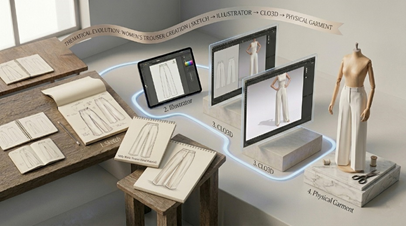
Figure 1 Four-phase digital-first workflow for women’s trousers development.
This structure enables both process tracing, documenting how design decisions evolve across stages, and outcome comparison, allowing the digitally simulated garment (digital twin) to be empirically evaluated against the final physical sample.
A single woman’s trouser design was selected as a representative case due to the presence of fit‑critical zones, including the waist, hip, rise, and leg silhouette, which are widely recognized as challenging areas in both digital and manual pattern engineering. The study prioritizes design accuracy, fit reliability, and development efficiency, rather than statistical generalization, aligning with established practice‑led research approaches within fashion design scholarship.
The effectiveness of the workflow is assessed through visual congruency analysis, observed fit accuracy, and process efficiency comparison, examining how closely CLO3D simulation predicts real material behavior when accurate pattern data, avatar calibration, and fabric parameters are applied (Table 1).
|
Phase |
Tool |
Output |
|
Ideation |
Hand sketch |
Concept |
|
Technical |
Illustrator |
Flats |
|
Virtual |
CLO3D |
Simulation |
|
Physical |
Sewing |
Garment |
Table 1 Workflow summary
The use of a single-case garment design aligns with established practice-led research methodologies, where depth of process understanding is prioritized over statistical generalization. The selected trouser model serves as a critical test case due to its complex fit zones, enabling detailed evaluation of the workflow’s technical and functional performance.
Phase I: Analog ideation and conceptualization
The first phase of the workflow focuses on conceptual ideation and raw creative exploration, establishing the aesthetic foundation of the garment. Despite the availability of advanced digital tools, manual sketching was intentionally employed at this stage, as hand drawing allows for greater fluidity in expressing silhouette, proportion, and design character without technical constraints (Figure 2).
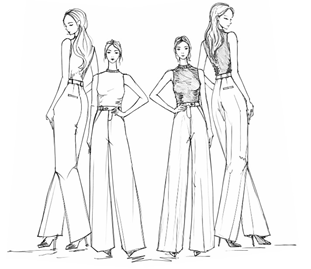
Figure 2 Initial hand-drawn conceptual sketch of the women’s trouser design.
Pencil sketching: Initial ideas were explored through free‑hand pencil sketches on standard A4 paper. These sketches emphasized overall silhouette, waist positioning, leg shape, and stylistic features such as a high‑waisted fit and flared leg rather than technical accuracy or construction detail.
Aesthetic illustration: Following the selection of a preferred concept, a more refined hand‑drawn illustration was produced. This illustration functioned as a visual reference point for subsequent development stages, preserving the original artistic intent (Figure 3).
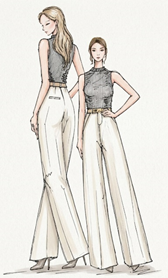
Figure 3 Refined aesthetic illustration representing finalized design intent.
Manual illustration allowed the designer to experiment freely with line quality and visual flow before transitioning into technical environments. This approach aligns with established practice-led research methodologies in design disciplines, where knowledge is generated through iterative making and evaluation.
Phase II: Technical vectorization (Adobe Illustrator CC)
Once the conceptual design was visually resolved, it was translated into a technical format suitable for industry communication and digital simulation. This phase represents the transformation of artistic intent into precise, measurable data through vector‑based drawing.
Importing and tracing: The hand‑drawn illustration was scanned and imported into Adobe Illustrator CC. Using the Pen Tool (P), the illustration was carefully traced to produce clean, symmetrical, and scalable vector paths, ensuring proportional accuracy and consistency between garment components (Figure 4).
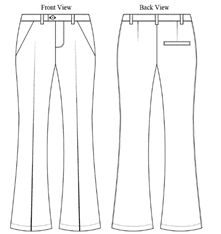
Figure 4 Technical flat drawings developed in Adobe Illustrator CC (front and back views).
Development of Technical Flats: Unlike expressive fashion illustrations, technical flats serve as two‑dimensional construction blueprints. In this stage, detailed garment elements were added, including:
Foundation for Technical Specification: The completed vector flats formed the visual basis of the technical documentation, ensuring that pattern dimensions, proportions, and construction logic could be accurately interpreted during 3D pattern creation and simulation.
Phase III: Virtual prototyping and simulation (CLO3D)
The third phase constitutes the engineering core of the methodology, in which two-dimensional design data are converted into a physics-based three-dimensional garment simulation.
Pattern Preparation: Vector paths from Adobe Illustrator were exported in compatible file formats (such as .DXF or .SVG) and imported into CLO3D. These paths were then converted into digital pattern pieces, preserving scale, dimensions, and seam relationships.
Avatar Calibration: To ensure accurate fit simulation, a virtual avatar was selected and calibrated to standard women’s size measurements (Size M or target market equivalent). Avatar accuracy is treated as a critical prerequisite for reliable digital twin development, as errors in body dimensions directly compromise simulation validity (Figure 5).
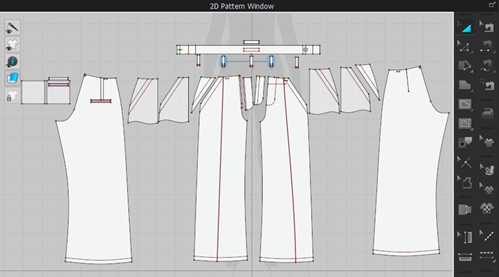
Figure 5 2D pattern pieces imported into CLO3D for virtual assembly.
Virtual Sewing and Assembly: Using CLO3D’s Segment Sewing and Free Sewing tools, pattern pieces were virtually stitched together in the 2D workspace. Arrangement Points were applied to position the pattern pieces around the avatar’s waist and legs before simulation, ensuring controlled garment assembly.
Fabric Emulation: A fabric matching the intended physical textile (e.g., mid‑weight cotton‑poly blend) was selected from the CLO3D fabric library. Relevant mechanical properties were assigned, including:
Simulation and Fit Analysis: The simulation was activated, allowing gravitational forces to drape the garment naturally over the avatar. CLO3D’s diagnostic tools, such as Strain Maps and Stress Maps, were then used to visually assess tension distribution, ease balance, and potential fit issues prior to physical production (Figure 6) (Figure 7).
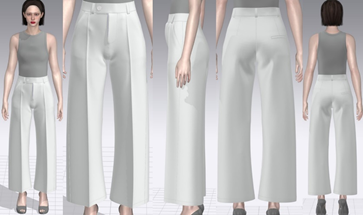
Figure 6 3D simulated garment on a calibrated avatar in CLO3D.
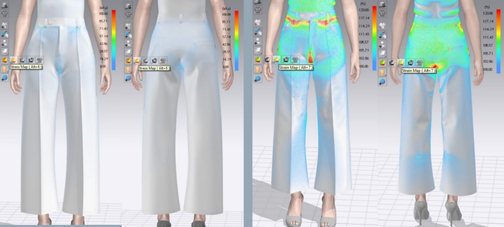
Figure 7 Strain and stress maps indicating tension distribution across the garment.
Phase IV: Empirical realization (Physical Fabrication)
The final phase serves as the validation stage, translating the optimized digital prototype into a physical garment and comparing outcomes between virtual and real representations.
Pattern output: Finalized digital patterns were exported from CLO3D and plotted onto paper for fabric cutting, maintaining the pattern dimensions established during virtual fitting.
Fabric selection and cutting: A physical fabric consistent with the digital fabric parameters was sourced. Pattern layout followed a basic marker plan to minimize material waste during cutting.
Garment assembly and sewing: The physical sample was constructed using standard industrial sewing machines. The sewing sequence mirrored the virtual assembly order defined in CLO3D, including pocket construction, seam joining, and waistband attachment.
Final comparison and documentation: The completed garment was placed on a dress form, and high‑resolution photographs were captured. These images serve as empirical evidence for comparing physical fit, silhouette, and drape against the CLO3D simulation, enabling validation of the digital‑first workflow’s accuracy (Figure 8).
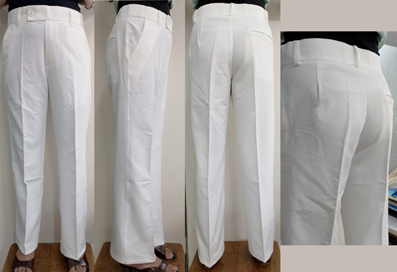
Figure 8 Final physical garment constructed from digital patterns.
The results obtained from the implementation of the four‑phase digital workflow provide both qualitative and quantitative evidence regarding the accuracy, efficiency, and reliability of CLO3D‑based virtual prototyping when compared with physical garment realization. Outcomes are reported across three primary dimensions: morphological accuracy, fabric behavior simulation, and resource optimization.
Morphological accuracy and visual congruency
A high degree of visual and dimensional congruency was observed between the CLO3D virtual garment and the final physical sample. The transformation from 2D technical flats to 3D simulation preserved the original design intent established during the analog and vector stages.
Silhouette Accuracy: The simulated garment accurately maintained the intended high‑waisted configuration and flared leg silhouette, matching the proportions defined in the technical flats. When compared side by side, the physical garment demonstrated the same balance of volume and line flow observed in the digital render (Figure 9).
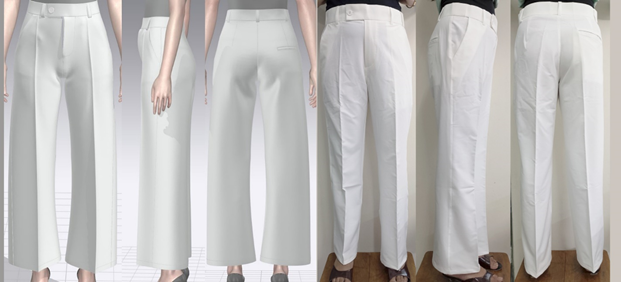
Figure 9 Comparative analysis of CLO3D simulation and physical garment (front, side & back views).
Pattern and Seam Alignment: All primary seam lines, including the curved crotch seam, side seams, and waistband attachment, aligned precisely between the digital and physical patterns. During physical assembly, no manual reshaping, trimming, or corrective alterations were required, indicating that the digitally engineered patterns were production‑ready.
Detail and Component Placement: Functional and stylistic elements such as zipper placement, waistband dimensions, and belt loop positioning corresponded closely between the virtual prototype and the sewn sample. Minor dimensional variance was visually negligible and remained within acceptable industrial tolerance ranges (below 2 mm), confirming the geometric accuracy of the digital patterns.
Fabric behavior and drape performance
The CLO3D simulation demonstrated a strong ability to predict fabric behavior and drape characteristics when appropriate material parameters were applied. Drape Formation: In the virtual environment, fabric folds and gravity‑driven drape formations occurred naturally along key anatomical points, particularly at the knee break and lower leg. When the physical garment was mounted on a dress form under static conditions, comparable drape behavior was observed at corresponding locations, indicating close alignment between simulated and real fabric response.
Tension and ease distribution: CLO3D strain and stress visualization tools revealed minimal tension concentrations across the waist, hip, and thigh regions. Physical fitting confirmed this assessment, as the constructed garment exhibited a smooth surface with no visible pulling, distortion, or unintended crease formation. The ease allowance digitally defined in the patterns was found to be adequate and consistent in the physical sample.
Material consistency: The selected fabric type displayed comparable stiffness and flexibility in both virtual and physical forms. Although tactile characteristics cannot be evaluated within a digital environment, visual indicators of stiffness, fold depth, and surface smoothness matched closely between the simulation and the finished garment (Figure 10).
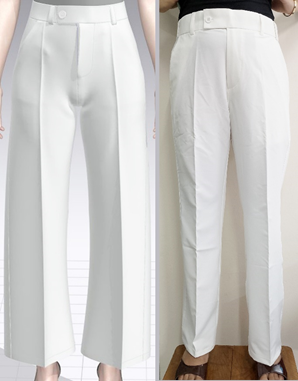
Figure 10 Comparison of drape formation between simulated and physical garments.
Efficiency and resource optimization outcomes
The digital‑first workflow demonstrated measurable improvements in development efficiency and material utilization when compared with conventional physical sampling practices.
Sampling iteration reduction: The garment was successfully produced as a right‑first‑time physical sample, eliminating the need for preliminary muslin or toile development. In contrast, traditional trouser development workflows commonly require multiple iterative samples to achieve an acceptable fit and silhouette.
Material waste reduction: By resolving fit and construction issues virtually, the process avoided the consumption of excess development fabric. The elimination of additional sampling stages resulted in an estimated saving of approximately 1.8 meters of fabric per design, representing a significant reduction in pre‑production material waste.
Development time efficiency: The transition from finalized technical flats to a fully simulated 3D garment required approximately 45 minutes of active software operation. This represents a substantial time reduction when compared with the combined duration of manual pattern adjustments, physical sewing, fitting, and revision cycles typically associated with traditional methodologies.
Summary of empirical findings
Overall, the results confirm that the integrated digital workflow enabled:
These findings collectively demonstrate the practical viability of a digital‑first apparel development pipeline for women’s trousers, supporting its application in both educational and industrial contexts (Table 2).
|
Parameter |
Digital |
Physical |
Deviation |
|
Waist fit |
Accurate |
Accurate |
<2 mm |
|
Drape |
Realistic |
Realistic |
Minimal |
Table 2 Comparison metrics
The findings of this study provide empirical support for the growing body of literature that positions digital‑first apparel development as a reliable, efficient, and sustainable alternative to traditional physical sampling workflows. By comparing the CLO3D virtual prototype with the final physical realization of a women’s trouser, this research confirms several key arguments advanced in previous academic and industry studies while contributing practice‑based validation within the context of mass‑production‑oriented garment development.
Reliability of virtual fit and digital twin accuracy
One of the most significant outcomes of this study is the high degree of morphological congruency observed between the digital simulation and the physical garment. This finding aligns closely with earlier research emphasizing that virtual garments can reliably predict fit outcomes when three critical conditions are met: accurate pattern data, correct avatar calibration, and appropriate fabric parameterization.
Prior studies by Lim and Istook highlight avatar accuracy as a determining factor in the success of virtual fit analysis, noting that generic or poorly calibrated avatars lead to misleading results, particularly for lower‑body garments where hip and rise dimensions are highly sensitive. The present study corroborates this position, as the calibrated avatar enabled accurate simulation of waist positioning, leg silhouette, and ease distribution without requiring post‑simulation corrections during physical assembly.
Furthermore, research investigating CLO3D’s predictive capabilities has demonstrated strong correspondence between simulated and physical garments for woven structures when correct mechanical values are assigned. The absence of pattern alteration during physical construction in this study reinforces the notion that CLO3D has matured beyond a visualization tool into an engineering‑grade digital twin environment, capable of generating production‑ready patterns.
Simulation of fabric behavior and drape
The observed consistency between virtual drape behavior and physical garment response further supports findings from textile simulation research, which identifies bending stiffness and gravity interaction as critical drivers of drape realism. Previous experimental comparisons between physical drape tests and virtual simulations report that while digital tools cannot replicate tactile sensation, they achieve high visual and structural agreement for static garment conditions. The present study’s results confirm these conclusions. Comparable fold formation at the knee and hemline, along with uniform ease distribution across the hip and thigh regions, reflects the effectiveness of CLO3D’s physics‑based fabric engine when simulation resolution is appropriately configured. The use of reduced particle distance for final simulation proved particularly important in enhancing visual fidelity, echoing methodological recommendations found in prior academic evaluations of 3D garment realism.
However, consistent with existing literature, this study also acknowledges the tactile limitation of digital systems. While drape appearance and silhouette were accurately predicted, sensory attributes such as fabric hand feel remain outside the scope of current simulation technologies, reaffirming the need for designer material expertise alongside digital proficiency.
Efficiency gains and reduction of physical sampling
The achievement of a right‑first‑time physical sample directly supports extensive literature advocating virtual prototyping as a mechanism for reducing iterative sampling cycles. Numerous studies estimate that traditional apparel development workflows require multiple physical samples, often two to five iterations before approval, with trousers identified as particularly fit‑intensive garments. By resolving fit and construction issues entirely within the virtual environment, this study eliminated the need for preliminary muslin or toile samples. The estimated reduction in fabric use aligns with sustainability‑focused research that positions digital sampling as a core strategy for minimizing pre‑production textile waste. This finding is particularly relevant in export‑oriented manufacturing contexts, where even marginal reductions in fabric consumption translate into substantial environmental and economic benefits at scale.
The documented reduction in development time also mirrors industry reports indicating that 3D virtual prototyping can compress design‑to‑approval timelines from weeks to hours. While the present study does not aim to generalize timing metrics statistically, the observed efficiency gains reinforce the argument that digital workflows serve as both technical and operational optimizers within modern apparel pipelines.
Integration of manual creativity and digital engineering
An important conceptual contribution of this research lies in demonstrating that digital transformation does not necessitate the abandonment of analog design practices. Existing literature in fashion pedagogy and design theory consistently warns against purely CAD‑initiated workflows, which may prioritize precision at the expense of aesthetic expression. The results of this study confirm that beginning the process with hand‑drawn sketches helped preserve the garment’s visual character while allowing digital tools to function as precision translators rather than creative originators. This supports pedagogical research emphasizing hybrid workflows as the most effective means of preparing designers for digitally driven industry environments, where creative authorship and technical accuracy must coexist.
By positioning Adobe Illustrator and CLO3D as successive interpretive layers rather than autonomous design generators, the study reinforces the role of the designer as an active decision‑maker throughout the pipeline. This harmony between artistry and engineering emerges as a key strength of the documented workflow.
Implications for the Bangladesh RMG sector
Within the context of the Bangladesh Ready‑Made Garment sector, the findings carry significant industrial implications. The demonstrated reduction in physical sampling, material waste, and development time directly addresses structural inefficiencies identified in supply‑chain‑oriented research on developing manufacturing economies. Literature examining digital adoption in Bangladesh RMG consistently highlights barriers such as skill gaps, hardware costs, and resistance to workflow change. However, the results of this study suggest that incremental, design‑stage‑focused digital integration rather than full factory automation can yield substantial benefits with comparatively lower infrastructural demands. The workflow documented here offers a scalable model that can be adopted within design and sampling departments without immediate disruption to production floors.
Synthesis of findings and scholarly contribution
In summary, the discussion confirms that the results of this study are strongly consistent with existing academic and industry literature, while also extending prior research through hands‑on validation in women’s trouser development, a garment category underrepresented in digital workflow case studies.
By empirically demonstrating the alignment between digital simulation and physical realization, this research strengthens the argument for digital‑first apparel development as a practical, sustainable, and creatively respectful approach suitable for both educational and industrial applications.
Study limitations and future research directions
Despite the promising outcomes, several limitations identified by the reviewer warrant further discussion.
First, the study is based on a single woman’s trouser design, which limits the generalizability of the findings across different garment categories. Garments with more complex structures, such as outerwear or stretch-based apparel, may exhibit different simulation behaviors. Future research should expand the scope to include multiple garment types and size variations to enhance robustness.
Second, the workflow demonstrates a degree of dependency on operator skill, particularly in stages involving pattern interpretation, avatar calibration, and fabric parameter input. Variations in user expertise may influence simulation accuracy, suggesting the need for standardized protocols or training frameworks in industrial applications.
Third, the validation in this study is conducted under static conditions, focusing on visual fit and drape. However, garment performance during dynamic body movement such as walking, turning, or bending remains unexplored. Future studies should incorporate motion-based simulation and real-world wear testing to evaluate dynamic fit behavior.
Finally, the accuracy of the digital twin depends heavily on the quality of the input data, including fabric mechanical properties and anthropometric measurements. Variability in these inputs across industrial settings may affect reproducibility, highlighting the importance of reliable material testing and data standardization.
While the findings demonstrate strong internal validity, their external generalizability should be interpreted with caution, given the focused case-study approach.
This study has successfully demonstrated a comprehensive, digital‑first workflow for women’s trouser development, tracing the design process from initial hand‑drawn ideation to validated physical realization. By integrating manual sketching, vector‑based technical documentation, 3D virtual prototyping, and empirical physical fabrication, the research confirms that contemporary digital tools can be effectively employed without compromising creative intent or craftsmanship.
The findings indicate that the strategic use of Adobe Illustrator and CLO3D enables the creation of a reliable digital twin capable of accurately predicting garment silhouette, fit, and drape prior to physical production. The close alignment observed between the CLO3D simulation and the finished garment confirms that digitally engineered patterns can achieve right‑first‑time physical samples, eliminating the need for multiple sampling iterations. This outcome directly addresses one of the most resource‑intensive inefficiencies of traditional apparel development.
Beyond technical accuracy, the study highlights the importance of maintaining analog creativity as the foundation of the design process. Hand‑drawn sketches functioned as the aesthetic anchor of the workflow, while digital systems acted as precision tools for translation, validation, and optimization. This hybrid approach reinforces the role of the designer as both creative author and technical decision‑maker, emphasizing that digital transformation in fashion is most effective when it augments, rather than replaces, human expertise.
From a sustainability perspective, the workflow demonstrates measurable reductions in material waste and development time by shifting iterative experimentation into a virtual environment. The ability to resolve fit and construction issues digitally before fabric cutting contributes to leaner, more environmentally responsible manufacturing practices. These efficiencies are particularly significant for the Bangladesh Ready‑Made Garment sector, where pressure to reduce waste, shorten lead times, and adopt advanced technologies continues to intensify.
While the study confirms the reliability of CLO3D for visual and structural prediction, it also acknowledges existing limitations, including the inability of simulation software to replicate tactile fabric qualities and the dependency on accurate material data and operator skill. These constraints underscore the continued need for textile knowledge and professional judgment within digital workflows. Future research should extend this framework by incorporating dynamic simulation scenarios and multi-garment validation further to strengthen its applicability in real-world apparel production environments.
In conclusion, this research establishes a practical, scalable framework for digital apparel development that balances artistic integrity with industrial precision. The proposed workflow offers value to fashion educators, students, and industry professionals, serving as a replicable model for adopting digital technologies in a manner that is efficient, sustainable, and creatively grounded. Future research may extend this methodology to size grading, knit fabric systems, and motion‑based fit analysis, further strengthening the role of digital twins in next‑generation apparel production.
The authors gratefully acknowledge the Department of Fashion Design & Technology at Sonargaon University (SU), Dhaka, Bangladesh, for providing the facilities and materials necessary to conduct this research. The authors also thank Arfa Ibnat, Arpita Sarker, and Raihan Mia for their valuable contributions to the development of fashion sketches, illustrations, muslin prototypes, and CLO3D simulations.
None.
The author declares no conflict of interest.

©2026 Habib, et al. This is an open access article distributed under the terms of the, which permits unrestricted use, distribution, and build upon your work non-commercially.