Journal of
eISSN: 2574-8114


Research Article Volume 12 Issue 2
 Soborna Akter
Department of Fashion Design & Technology (FDT), Sonargaon University (SU), Bangladesh
Correspondence: Md. Ahshan Habib, Department of Fashion Design & Technology (FDT), Sonargaon University (SU), Dhaka, Bangladesh
Received: March 16, 2026 | Published: March 27, 2026
Citation: Habib A, Akter S. Fashion design strategies for achieving silhouette harmony across diverse female body types. J Textile Eng Fashion Technol. 2026;12(2):70-81. DOI: 10.15406/jteft.2026.12.00453
This study investigates contemporary fashion design strategies aimed at achieving silhouette harmony across diverse female body types, with particular emphasis on proportion, visual balance, and inclusive design practices. As the fashion industry increasingly recognizes body diversity, understanding how specific design elements influence perceived shape, proportion, and overall aesthetic balance has become both a commercial necessity and an ethical responsibility. This research examines key techniques, including directional line application, strategic color placement, textile behavior, and advanced pattern manipulation, to evaluate their effectiveness in visually harmonizing different body forms. Using a practice-led methodology supported by systematic visual analysis and controlled design experimentation, the study assesses how targeted garment construction strategies influence fit perception and silhouette balance. Particular attention is given to structural and visual techniques that create vertical emphasis, redistribute apparent volume, and establish focal points appropriate to distinct body characteristics. The findings demonstrate that the integration of aesthetic design principles with functional garment construction significantly enhances silhouette harmony while supporting inclusive and body-responsive design outcomes. This research contributes a structured design framework that enables fashion designers to apply evidence-based strategies to improve visual proportion, enhance wearer confidence, and address the growing global demand for inclusive and personalized fashion solutions.
Keywords: silhouette harmony, inclusive fashion design, body diversity, visual proportion, pattern manipulation, fashion design elements, optical illusion in dress, anthropometrics
Background and concept of silhouette harmony
In fashion design, the silhouette refers to the overall outer form or outline of a garment as perceived on the body. It constitutes the primary visual impression and plays a critical role in shaping how body proportions are interpreted. Silhouette harmony, therefore, can be understood as the balanced relationship between garment structure, design elements, and the wearer’s body, resulting in a visually cohesive and aesthetically pleasing appearance.1 Achieving silhouette harmony requires the careful integration of design principles such as proportion, balance, emphasis, rhythm, and unity. These principles guide how visual elements are organized within a garment and determine how the body is visually perceived. Through strategic manipulation of these elements, designers can elongate, minimize, or redistribute apparent volume, transforming clothing into a system that actively shapes visual perception rather than merely covering the body.
The silhouette is the basic outer shape formed by the garment’s lines and curves; it is the first thing the eye registers and sets the mood of the design.2 The design elements are shape, color, and material. The shape can be viewed from the perspective of silhouette, contour, color, type of textile fabric, and detail.3 Figure 1 Establishes a morphological framework for the study by illustrating key female body shape classifications, including Apple (Round), Pear (Triangle), Inverted Triangle, Rectangle, and Hourglass. These archetypes provide a foundational reference for analyzing proportional relationships and evaluating the influence of design interventions on silhouette harmony.
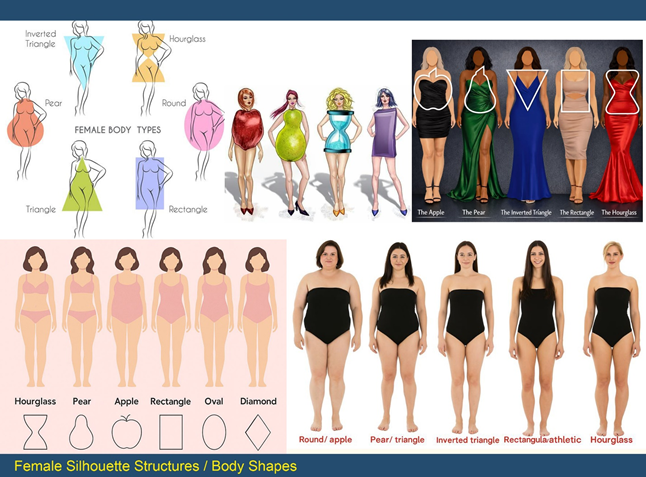
Figure 1 Comparative analysis of female silhouette structures across classification systems.
Source: Collage created by the authors based on reference images from Pinterest.com (2026).
The relationship between garment design and body form represents a fundamental concern in fashion, as clothing significantly influences how the human body is visually perceived. The Figure 2 illustrates experimental garment applications that employ structural design elements to modify perceived body proportions. Techniques such as cowl necklines and asymmetrical draping create upper-body visual emphasis, while mermaid and flared hemline constructions redistribute visual weight toward the lower body. Collectively, these interventions demonstrate how strategic design manipulation contributes to achieving balanced silhouette harmony.
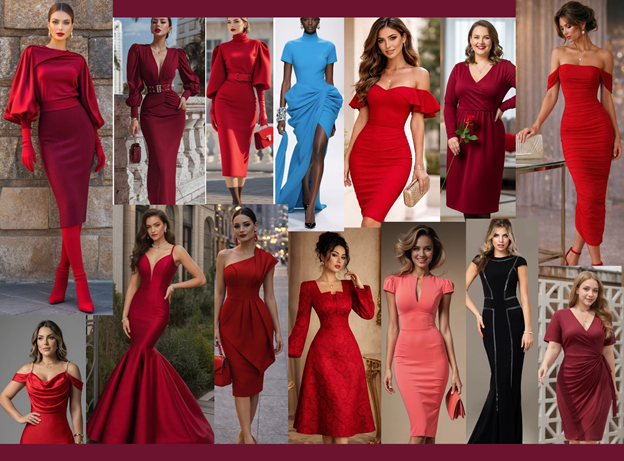
Figure 2 Experimental garment designs demonstrating structural interventions in silhouette modification.
Source: Collage created by the authors based on reference images from Pinterest.com (2026).
Silhouette harmony refers to the visual balance achieved when garment structure, design elements, and body proportions interact cohesively to produce an aesthetically pleasing and proportionate appearance. This harmony is governed by established design principles, including proportion, balance, emphasis, rhythm, and unity, which determine how visual elements are organized within a garment.4 When applied strategically, these principles enable designers to influence visual perception by elongating the body, reducing apparent volume, or redistributing visual emphasis across different regions. As a result, fashion design functions not only as a protective or functional covering but also as a visual system capable of modifying perceived body proportions and enhancing overall aesthetic appearance.
Body diversity and limitations of traditional design approaches
Female body forms exhibit significant variation in terms of proportion, mass distribution, and structural characteristics. These differences influence how garments fit, drape, and are visually perceived. However, traditional fashion design systems have historically relied on standardized sizing models based on idealized body proportions, often failing to accommodate real-world diversity. As a result, garments developed under such systems may produce imbalance, poor fit, or distorted visual proportions across different body types.5 This limitation highlights the necessity for inclusive design strategies that respond to anthropometric variability and support silhouette harmony across a wider range of body forms. In contrast to the reality of a variety of shapes, sizes, abilities, and identities, traditional fashion design has mostly focused on a restricted "standard" body. Standardized size techniques based on idealized body models and insufficient anthropometric data have historically played a major role in fashion design and clothing manufacturing. These systems frequently make assumptions about fixed proportional relationships between body measures, which leads to clothing that does not sufficiently account for the enormous range of actual human body types.6 In terms of height, weight distribution, torso length, hip shape, and posture, female bodies in particular exhibit notable variety. The Figure 3 illustrates the range of female body diversity, highlighting variations in weight distribution, skeletal frame, and hip-to-waist proportions. It emphasizes the limitations of standardized “one-size” approaches in fashion design and establishes a foundational baseline for the development of inclusive design interventions discussed in this study.
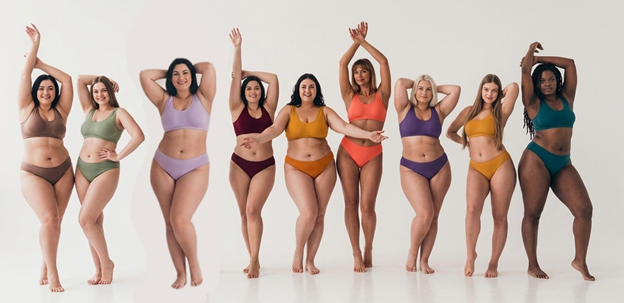
Figure 3 Empirical diversity of female morphological variation: comparative representation of body archetypes.
Source: Collage created by the authors based on reference images from depositphotos.com (2026).
Uniform sizing and design approaches are insufficient to achieve optimal fit and aesthetic balance since anthropometric studies have repeatedly demonstrated that body proportions vary significantly between people and populations. As a result, clothing made with conventional proportional assumptions may fail to create silhouette harmony, emphasize disproportionate areas, or visually distort body balance. These restrictions have aided in the fashion industries and academic research's increasing realization of the need for inclusive design strategies that successfully address body diversity.
Role of design elements in visual perception
Fashion design elements such as line, silhouette, color, texture, and proportion play a critical role in shaping visual perception and influencing how the body is interpreted.7,8 Directional lines, including vertical, horizontal, and diagonal orientations, can alter perceived body dimensions. Vertical lines typically create elongation effects and enhance visual continuity, while horizontal lines may increase perceived width.9 Diagonal and curved lines introduce dynamic visual movement, guiding the viewer’s attention and modifying perceived body structure. The Figure 4 demonstrates the role of directional lines in modifying perceived silhouette proportion. Vertical segmentation reduces perceived volume and enhances elongation effects, while diagonal line placement redistributes visual weight to create balanced focal points within the garment structure.
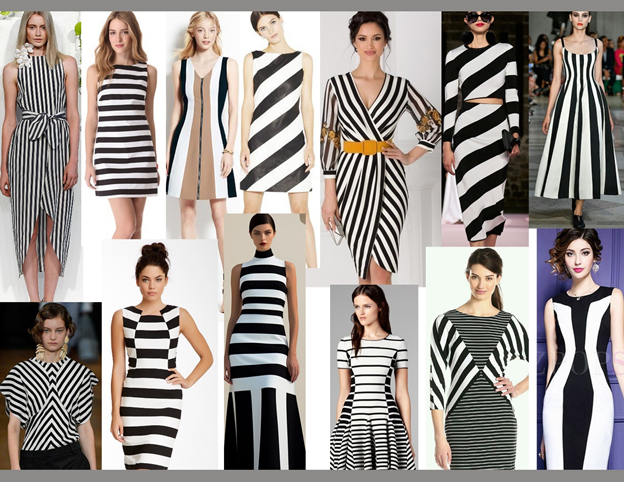
Figure 4 Directional lines and their influence on silhouette perception and proportion.
Source: Collage created by the authors based on reference images from Pinterest.com (2026).
The choice of silhouette also has a big impact on visual balance. While looser silhouettes can hide or redistribute visible volume, fitted silhouettes highlight the natural body outlines. Designers can improve proportionate harmony by controlling the interplay between the garment and body through strategic silhouette choosing.10 One of the most important visual characteristics in how clothing is evaluated aesthetically and how the body beneath is seen is overall silhouette. Traditionally, defining the silhouette of a garment has depended on a visual, subjective assessment, with no explicit connection between subjective assessments and objective measurements.3 Color is an informative variety of energy that affects a person in a certain way, practically regardless of his awareness. In clothing design, color has special characteristics different from other areas of human activity. The color determines the image of the suit and sets it in a certain way, forming the aesthetic value of the clothes.11
Clothing color is an important nonverbal communication tool that expresses mood, character, and symbolic meaning. Color also serves as a powerful visual tool in modifying perception. Darker colors tend to reduce apparent size and create receding effects, whereas lighter or brighter colors attract attention and increase visual prominence.12 Strategic color placement, including color blocking and tonal gradation, can visually reshape body proportions by directing focus and balancing visual weight.13 Texture and fabric properties further contribute to silhouette formation. Stiff fabrics maintain structural shape and create defined forms, while soft, flexible fabrics conform more closely to body contours. Surface texture, reflectivity, and pattern scale influence light interaction and visual complexity, which can enhance or disrupt silhouette harmony depending on their application.
Structural and pattern-based design strategies
Garment construction techniques, including seam placement, darts, pleats, panels, and contour shaping, play a vital role in defining silhouette structure.14 Figure 5 Integration of Structural and Visual Design Strategies. This figure illustrates the use of vertical paneling, seam orientation, and mathematical proportions to redistribute volume and create visual continuity across diverse body forms.
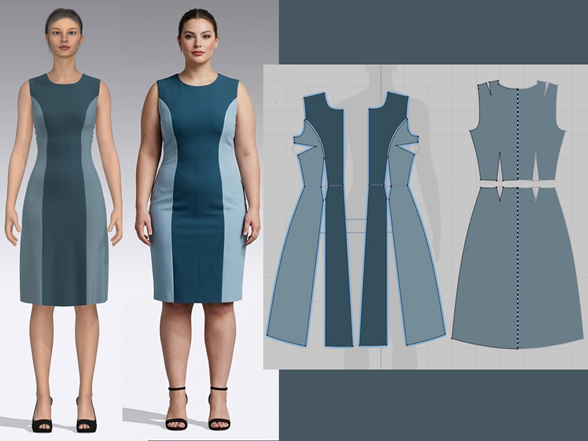
Figure 5 Pattern engineering and silhouette harmony through pattern manipulation and structural functionality in inclusive design.
Source: Original 3D technical design created by the authors (2026).
These structural elements influence both physical fit and visual perception by shaping the garment’s three-dimensional form. Pattern manipulation techniques allow designers to adjust garment geometry, redistribute volume, and create visual continuity across the body.15 For example, vertical paneling can create elongation effects, while strategically positioned seams can divide larger areas into visually balanced segments. These construction strategies enable designers to enhance silhouette harmony by integrating structural functionality with visual design principles. Pattern engineering also allows designers to address specific body characteristics through targeted adjustments.16 By modifying pattern shapes, seam orientations, and garment proportions, designers can create garments that accommodate diverse body forms while maintaining visual balance. The key to fully inclusive fashion is the integration of structural and visual methods, which allow clothing to accommodate a variety of body types and capacities.17 Because it enables clothing to adapt more successfully to individual morphological variance, the integration of structural and visual design principles is an essential part of inclusive fashion design.
Inclusive fashion and contemporary design needs
A new approach to inclusive design has emerged over the past few decades, with the goal of creating an environment that is pleasant for a wide range of individuals.18 The global fashion industry has made inclusive fashion design a top focus as body diversity has become more widely acknowledged. The goal of inclusive design is to produce clothing that can fit a variety of body types, sizes, and dimensions while yet being aesthetically pleasing and practical.19 Since silhouette harmony has a direct impact on wearer comfort, confidence, and satisfaction, it is essential to inclusive fashion. Positive body image is encouraged and wearer perception is improved when clothing achieves visual balance and proportional harmony.
This change is indicative of a larger trend in fashion, where customization and diversity are becoming more important factors than ancillary ones. Despite these advancements, a lot of current design methodologies still rely more on broad hypotheses than on tactics supported by evidence. Designers frequently use design components instinctively without carefully considering how they would affect various body types. Therefore, study on how particular design features and construction techniques affect silhouette harmony across various female body types is still needed.
Research questions
Research objectives
Literature review
Detailed concept of silhouette and visual perception in fashion design
In fashion design, silhouette functions as both a structural and perceptual framework that defines the three-dimensional relationship between garment and body.20 It significantly influences perceived proportion, balance, and aesthetic harmony, acting as the primary visual element through which clothing is interpreted. Beyond its physical construction, silhouette operates as a visual tool capable of modifying perceived body dimensions through the strategic application of design elements.3 In addition to being a structural result of clothing construction, silhouette is a visual tool that may be used to strategically alter perceived body measurements through design element modification. Certain parts of the body can be elongated, widened, or balanced by the optical effects produced by the interaction between clothing structure and body morphology.15 The Figure 6 illustrates the perceptual transition from raw morphological variation to structured aesthetic outcomes in garment design. It demonstrates how Gestalt principles of similarity, continuity, and closure are applied to organize visual information, enabling the creation of cohesive and balanced silhouettes across diverse body types.
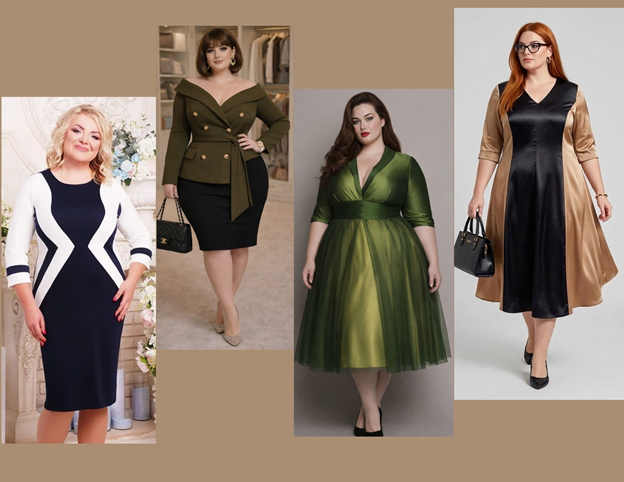
Figure 6 Perceptual mapping of Gestalt principles in silhouette design analysis.
Source: Collage created by the authors based on reference images from Pinterest.com (2026).
Gestalt psychology principles, which stress how visual elements are arranged and understood as consistent shapes, control visual perception in clothing. According to these principles, viewers evaluate clothing holistically, which means that distinct design components like line, color, and texture all work together to create the overall impression of harmonious silhouettes.21 Achieving a visual balance between body proportion and clothing volume is essential for silhouette harmony.15 The silhouette looks balanced and beautiful when the visual weight is equally distributed throughout the body. On the other hand, excessive visual focus on particular regions can cause harmony to be disturbed and imbalance to be perceived. Therefore, the purposeful manipulation of visual perception through structural and surface design components is part of fashion design, which goes beyond the practical construction of clothing.
Body diversity and anthropometric variation
Anthropometric exploration demonstrates that female body shapes vary significantly in terms of size, proportion, and mass distribution. These variations include variations in hip structure, shoulder breadth, bust size, waist definition, and vertical proportions.22 The Figure 7 illustrates variations in female anthropometry with specific emphasis on shoulder width, waist definition, and hip structure. By maintaining consistent garment design and pose conditions, the analysis isolates natural differences in body morphology and demonstrates how identical silhouettes respond differently to varying skeletal and soft-tissue distributions. This provides a baseline for evaluating fit behavior and drape performance in inclusive fashion design.
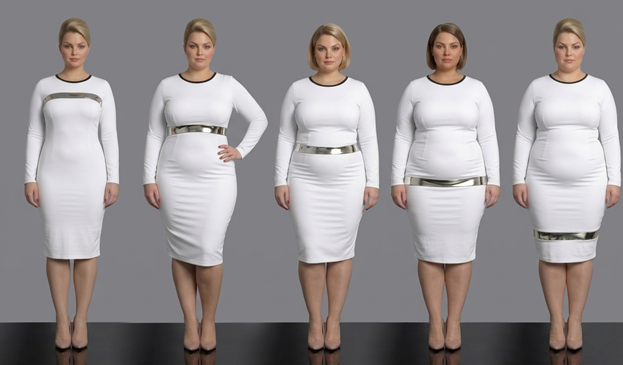
Figure 7 Comparative analysis of female body proportions in standardized garment conditions.
Source: Simulation of diverse female body types in white long-sleeved dresses, created by the authors (2026).
These variances include variations in hip structure, vertical body proportions, waist definition, bust size, and shoulder width. Conventional methods of measuring clothing were created using small anthropometric samples, and they frequently make the assumption that body dimensions scale proportionately. Nevertheless, experiential investigation has demonstrated that these proportional connections are inconsistent among individuals, leading to clothing that may not offer the best fit or aesthetic balance for a variety of body types.23
Hourglass, pear, rectangle, and inverted triangle are examples of body shape categorization systems that are frequently used in fashion design to classify morphological variance. These categories aid designers in applying suitable design techniques and comprehending structural variations.24 For instance, design components that visually balance upper and lower proportions may be beneficial for people whose hips are wider than their upper bodies, whereas methods that reduce the visual emphasis on the upper torso may be necessary for people whose shoulders are bigger. The Figure 8 demonstrates how the vertical placement of a high-contrast horizontal band influences perceived body proportions through visual segmentation. Placement at the bust region enhances upper-body emphasis, while positioning at the waist establishes proportional equilibrium by reinforcing the natural midline. When positioned lower, the band shifts visual focus downward, reducing upper-body dominance and contributing to a more balanced silhouette perception.
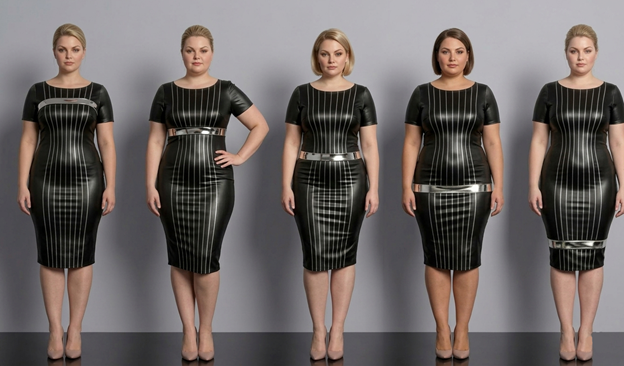
Figure 8 Impact of horizontal segmentation on perceived upper and lower body proportions.
Source: Simulation of diverse female figures in black dresses with white horizontal bands, created by the authors (2026).
Rather of depending just on conventional sizing models, anthropometric variability emphasizes the necessity for adaptable design techniques that take individual body characteristics into account.
More precise and thorough information on body shape variety has been made available by recent advancements in digital anthropometry and three-dimensional body scanning. With the use of these technologies, designers may create clothing that better adapts to morphological variance by analyzing body contours, proportions, and posture. As a result, contemporary fashion research increasingly emphasizes inclusive design strategies that accommodate diverse body forms while maintaining aesthetic harmony.
Role of line in modifying visual perception on diverse female body
One of the most effective design features for influencing how the body is seen visually is line.7 Directional lines can change how the body is viewed and affect how the eye moves over a garment. The elongating impact of vertical lines, which direct the viewer's eye upward and downward to create a sense of height and consistency, is well known.25 The Figure 9 compares the effects of vertical and horizontal stripe orientations across different body archetypes. Horizontal configurations introduce lateral visual expansion, increasing perceived width, while vertical configurations create columnar segmentation that enhances elongation and reduces perceived breadth. The comparative analysis demonstrates how linear orientation interacts with body morphology to influence overall silhouette perception.
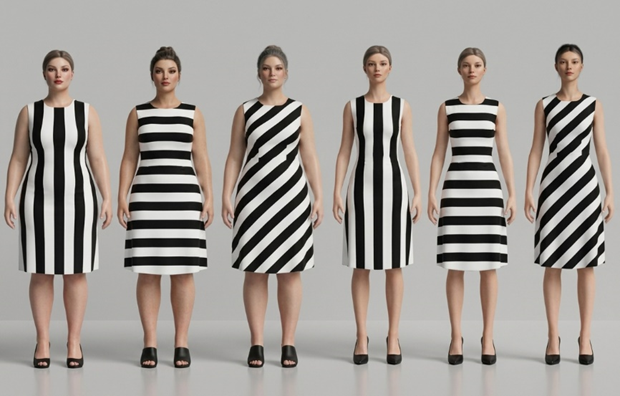
Figure 9 Interaction of linear orientation and body archetype in perceived silhouette formation.
Source: Original 3D illustration created by the authors (2026).
This figure provides an empirical comparison of directional line theory across varied morphological scales, validating the application of linear engineering in inclusive design on the standard and diverse female figures. The structure may appear leaner and taller as a result of this impact. Horizontal lines, on the other hand, break up vertical continuity and can make certain areas appear wider. In addition to adding dynamic visual movement, diagonal lines can improve overall visual balance by diverting attention from problematic areas.26 The Figure 10 examines the application of vertical, horizontal, and diagonal line orientations across diverse body archetypes. Vertical lines enhance perceived height and reduce visual width, horizontal lines increase lateral emphasis, while diagonal lines redistribute visual weight to create dynamic balance. The comparative analysis demonstrates how directional line placement can be strategically used to achieve proportional harmony in silhouette design.
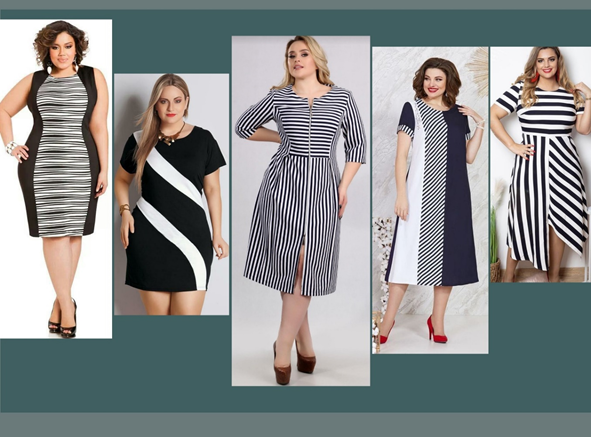
Figure 10 Impact of directional line orientation on the visual perception of body proportion.
Source: Collage created by the authors based on reference images from Pinterest.com (2026).
The Helmholtz illusion, a well-known theory of visual perception developed by physician Hermann von Helmholtz in 1867.27 Is frequently used to explain the elongating impact of verticality. According to this idea, because horizontal lines make the eye to move in a vertical "climbing" action, a space with horizontal lines may appear taller and narrower than a place of the same dimensions filled with vertical lines. The Helmholtz illusion shows how apparent dimensions are influenced by line direction. The Figure 11 demonstrates how the interaction of vertical and horizontal linear elements influences perceived body proportions. Vertical lines contribute to elongation effects, increasing perceived height, while horizontal bands introduce perceptual interruption that modifies visual continuity. Adjusting the vertical placement of the horizontal band alters perceptual emphasis, enabling designers to influence perceived shoulder width, waist definition, and leg length. These effects are consistent with principles of visual perception described in the Helmholtz illusion, which explains how linear configurations can alter spatial interpretation.
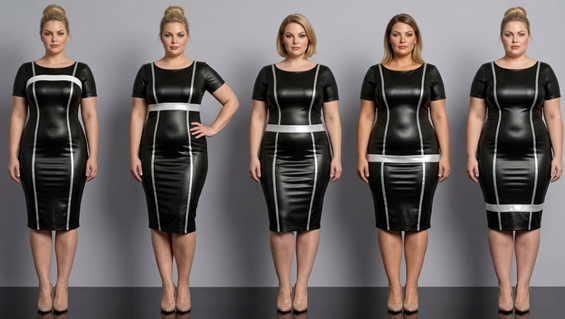
Figure 11 Influence of combined vertical and horizontal stripe orientation on perceived body proportions.
Source: 3D body models created by the authors (2026), based on the Helmholtz square illusion (1867).
Pinstripes, repetitive vertical topstitching, and fine-ribbed knits are intentionally used in clothing construction to create a "path of least resistance" for the viewer's eye, directing it toward the face and producing a prominent vertical axis. The Figure 12 demonstrates the application of the Müller-Lyer optical illusion in garment pattern design through the use of chevron-like structural elements. Inward-pointing forms at the neckline create a perceptual elongation of the upper torso, while outward-pointing configurations at the hem extend the perceived length of the lower body. These directional visual cues manipulate spatial interpretation, enabling controlled modification of perceived body proportions and contributing to overall silhouette balance.
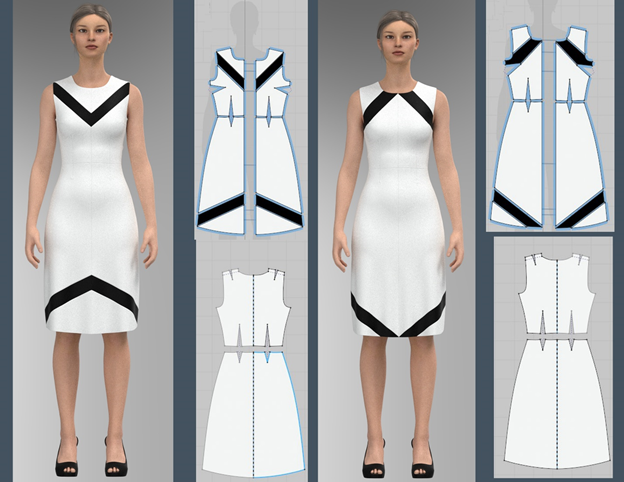
Figure 12 Application of the Müller-Lyer illusion in digital pattern engineering for silhouette modulation.
Source: Original 3D illustration created by the authors (2026).
Moreover, neckline and hemline architecture often makes use of the Müller-Lyer illusion, which shows how arrow-like "fins" at the end of a line can alter the sense of its length.28 For instance, a deep V-neckline "stretches" the perceived length of the neck and chest by acting as an inward-pointing arrow that optically divides a broad torso. On the other hand, "fishtail" shapes or inverted "V" hemlines function as fins that point outward, extending the legs' visual line and promoting a harmonic, balanced proportion over a range of body heights. Pleats, darts, panel divides, and seam placement all serve as structural lines that affect how a silhouette is perceived. By manipulating the distribution of visual attention, designers can visibly modify the body by the strategic positioning of these lines. For instance, curved seams can accentuate or soften body shapes, while princess seams produce vertical continuity that improves elongation by dividing a wide front panel into three narrower portions. The assumption that line orientation has a substantial impact on size perception is supported by research in visual illusion theory, which shows that vertical focus tends to reduce perceived width through segmentation whereas horizontal segmentation, if wrong, might enhance it.29
Influence of silhouette and garment structure
How clothing interacts with body shapes is largely determined by the silhouette of the garment. Each of the three types of silhouettes fitted, semi-fitted, and loose produces distinct structural and visual effects.30 While loose designs reduce focus on particular body parts by creating spatial separation between the garment and the body, fitted shapes accentuate anatomical shape and follow natural body contours. These two extremes are balanced by semi-fitted shapes, which provide regulated shaping while preserving flexibility and comfort.31 The Figure 13 illustrates how fitted, semi-fitted, and loose silhouettes interact with body contours through structural design techniques such as darts, princess seams, and panel segmentation. These interventions regulate fit and shape distribution, enabling controlled modification of garment structure to achieve balanced and harmonious silhouette outcomes.
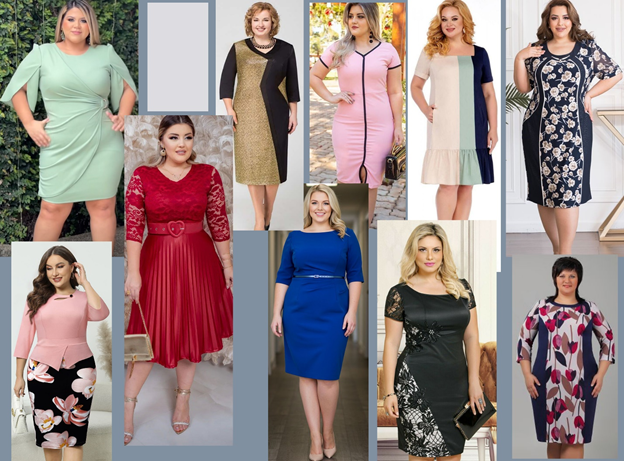
Figure 13 Structural design interventions and their influence on silhouette formation.
Source: Collage created by the authors based on reference images from Pinterest.com (2026).
Structural design elements such as bias cut, darts, seams, panels, and pleats contribute to silhouette formation by shaping fabric around the body.32 These elements allow designers to control garment volume and outline, enhancing both fit and visual harmony of diverse female body. Pattern manipulation techniques, including contour shaping and panel segmentation, enable designers to modify garment geometry and redistribute visual emphasis. These structural adjustments play a significant role in achieving silhouette harmony by aligning garment shape with body morphology.
Effect of color on visual proportion (Expanded with Mathematical Theory)
A crucial visual component that affects how size, proportion, and emphasis are perceived is color.33,34 According to research on visual perception, lighter or brighter colors tend to advance visually, boosting prominence, while darker colors tend to recede visually, making areas appear smaller. Designers can deliberately use color placement to balance body proportions thanks to this idea.35 The Golden Ratio (1:1.618), which has been linked to artistically favor visual relationships in art, architecture, and design, is one proportional framework that is frequently studied in relation to silhouette harmony. The "Golden Ratio" (1:1.618), a mathematical ratio present in nature that the human eye perceives as intrinsically beautiful, is sometimes used to assess silhouette harmony beyond basic color theory.36 The Figure 14 presents a comparative study of proportional division strategies across standard and diverse body archetypes, examining waist bisection and chromatic continuity effects. The progression from horizontal segmentation to monochromatic vertical continuity demonstrates how reducing visual interruption enhances perceived vertical elongation. The application of proportional systems, including conventional bisection and the Golden Ratio (1:1.618), highlights the role of mathematical and chromatic structuring in shaping silhouette perception across different body types.
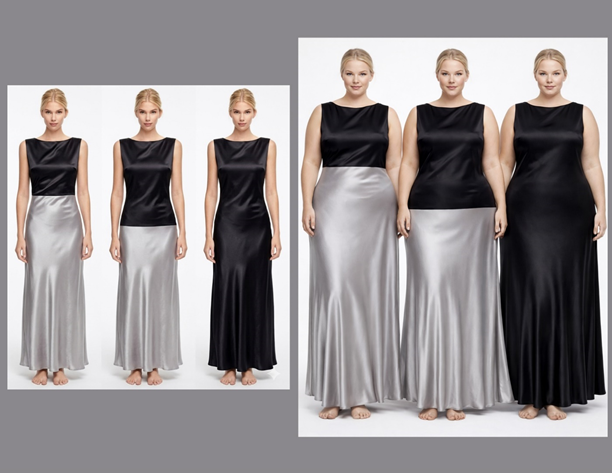
Figure 14 Comparative analysis of proportional bisection and chromatic continuity in silhouette perception.
Source: Original 3D illustration created by the authors (2026).
The Golden section, denoted by the Greek symbol φ, is a number that can be calculated by splitting a line into two pieces. The length of the longer and smaller sections divided by the longer part is equal to a/b = (a+b)/a = 1.61803398874989484. For a range of body shapes.37 "The Rule of Thirds" is a technique used by designers to break the silhouette at locations that resemble certain natural proportions. This tactic makes sure that the garment doesn't visually split the wearer at the broadest point of the waist or hip, which might "shorten" the frame and is a common error in uniform design. The Rule of Thirds is a fundamental principle for enhancing the dynamic or captivating quality of pictures in visual arts, such as fashion, photography, film, and painting.38
The Figure 15 presents Application of proportional balancing and the Rule of Thirds and golden ratio in garment composition. This figure compares 2/3 to 1/3 ratios against bisected 1/2 proportions, illustrating how vertical segmentation influences height perception and silhouette harmony.
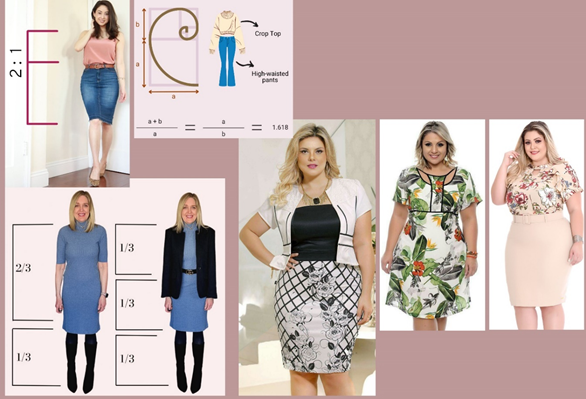
Figure 15 Proportional balancing: integrating the rule of thirds and visual weight on the diverse figures [39]. Source: Collage created by the authors based on reference images from Pinterest.com (2026).
Instead, by placing a waistband, a color-block boundary, or a hemline at the one-third or two-thirds mark of the total body length, the designer creates a more dynamic, elongated, and harmonious vertical flow. The Figure 16 Demonstrate Strategic Horizontal Positioning and Silhouette Elongation. This simulation illustrates the cognitive impact of structural bisection across five distinct anatomical planes. By shifting a high-contrast silver band from the bust (upper third) to the hemline (lower extremity), the figure validates the "Rule of Thirds" in minimizing mid-body bisection. The progression demonstrates that lower horizontal anchors (Models 4 and 5) preserve vertical continuity more effectively than traditional waistline interruptions (Model 2), thereby optimizing the dynamic flow of the silhouette. The Figure 17 presents a geometric analysis of proportional segmentation of the female form based on the Rule of Thirds and the Golden Ratio. Horizontal reference lines indicate strategic placement zones for design elements such as waistbands, hemline positions, and color-block transitions at one-third and two-thirds intervals. Positioning focal design features along these anatomical planes helps distribute visual attention evenly, reduces perceptual stagnation, and enhances perceived vertical elongation of the silhouette.
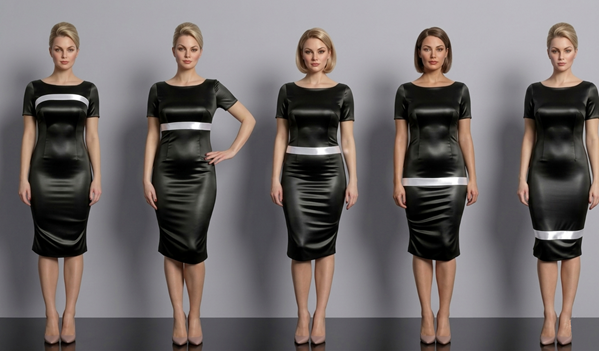
Figure 16 Geometric bisection and proportional intersections for silhouette optimization using the Rule of Thirds and Golden Ratio. Created by the authors (2026).
Source: Original 3D illustration created by the authors (2026).
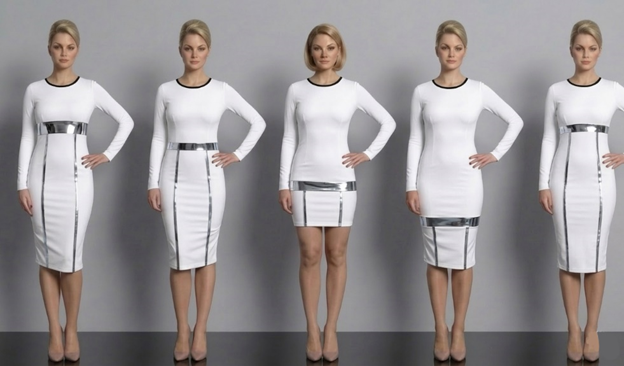
Figure 17 Anthropometric mapping of the rule of thirds and golden ratio.
Source: Original 3D illustration created by the authors (2026).
Color contrast also affects visual perception. High contrast between adjacent areas creates visual segmentation, which can alter perceived proportion. Conversely, low contrast creates visual continuity, enhancing elongation and cohesion. Color blocking techniques use contrasting colors to reshape visual proportions by dividing the body into balanced segments based on these mathematical ratios. Gradual color transitions can also create smooth visual flow, enhancing silhouette harmony. Psychological research further indicates that color influences emotional and perceptual responses, affecting how garments are perceived aesthetically. Color selection therefore serves both functional and expressive purposes, contributing to silhouette harmony and overall garment effectiveness. Figure 18 depicts Visual analysis of color-based design interventions this figure illustrates how color blocking and tonal gradation (ombre effects) redistribute visual weight, demonstrating the use of high-contrast segmentation to reshape proportions and low-contrast transitions to enhance vertical continuity.
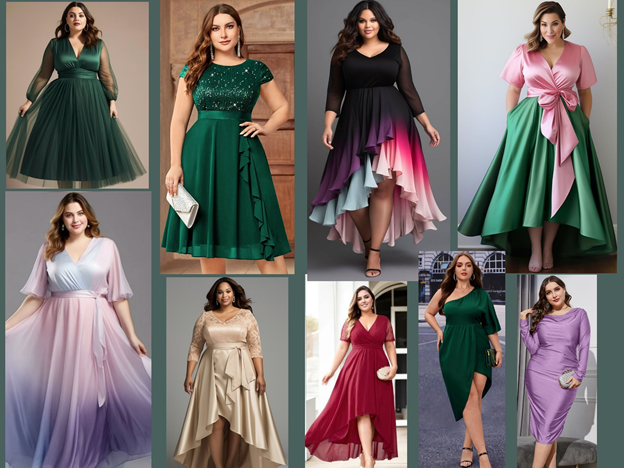
Figure 18 The role of color contrast, tonal gradation, and segmentation in Silhouette Harmony [40].
Source: Collage created by the authors based on reference images from Pinterest.com (2026).
Role of textile properties and texture on the diverse female body
Textile properties significantly influence garment silhouette and visual perception on diverse women body. Fabric characteristics such as weight, stiffness, thickness, elasticity, and drape determine how a garment interacts with the body. Stiffer fabrics maintain structural form and create defined silhouettes, while softer fabrics conform more closely to body curves. Lightweight fabrics enhance fluidity and movement, while heavier fabrics provide structural stability.39 'Texture' as one of the most important fashion and textile design elements.40 Texture also affects visual perception by influencing light reflection and visual complexity. Smooth surfaces reflect light evenly, creating a streamlined appearance, while textured surfaces scatter light, increasing visual prominence. The perception of the artistic image of the created thing depends on the texture. The texture of the material is both a means and an element of the composition of the costume.41 The Figure 19 Displays Comparative Analysis of Textile Behavior and Surface Texture. This figure showcases the interaction between diverse body archetypes and various textile finishes, including high-luster satins, light-absorbent velvets, and structured crepes, demonstrating the practical application of the Irradiation Illusion to manage visual volume.
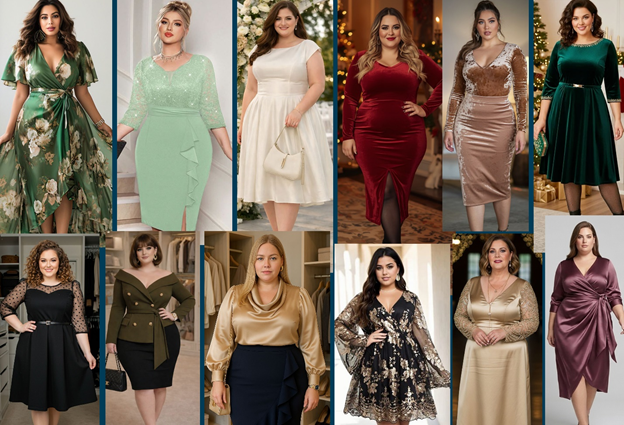
Figure 19 Materiality in silhouette engineering: textile properties, texture, and the irradiation illusion.
Source: Collage created by the authors based on reference images from Pinterest.com (2026).
Moreover, textile reflectivity contributes to the "Irradiation Illusion," a physiological phenomenon in which fabrics with high shine or light colors (such as satin or metallic finishes) seem to enlarge in space. This happens because the light they reflect "bleeds" into the surrounding darker regions of the retina, making the bright area appear larger to the brain than it actually is.
This makes the textured or light-colored area of a garment appear physically larger and more "advancing" than a matte, dark-colored area of the same size. For diverse body forms, understanding this illusion is critical for Visual Balance; designers can use matte, absorbent textures to minimize areas of high volume while using reflective luster to add dimension to narrower regions of the silhouette. Large-scale textures and patterns may further increase perceived size, while fine textures create subtle visual effects. These characteristics enable designers to use textile properties strategically to enhance silhouette harmony.
Fabric drape is particularly important in determining how garments fall and conform to the body.42 Fabrics with high drape create fluid silhouettes that follow body silhouettes, while low-drape fabrics maintain inflexible forms. Understanding textile behavior allows designers to select materials that support intended silhouette outcomes.
Pattern manipulation is a key technique used to achieve silhouette harmony.43 Through pattern modification, designers can alter garment shape, redistribute volume, and improve visual proportion. Techniques such as paneling, contour shaping, and seam repositioning allow designers to create balanced visual compositions. Panel segmentation divides large areas into smaller visual units, reducing perceived volume and enhancing proportional balance. Figure 20 Technical Workflow of Structural and Visual Integration. This composite figure illustrates the systematic application of panel segmentation and contour shaping. The central technical drawing reveals how a standard front panel is divided into three distinct visual units through princess seams. The resulting 3D renders demonstrate how this redistribution of volume creates a balanced, elongated composition across both standard and diverse body forms.
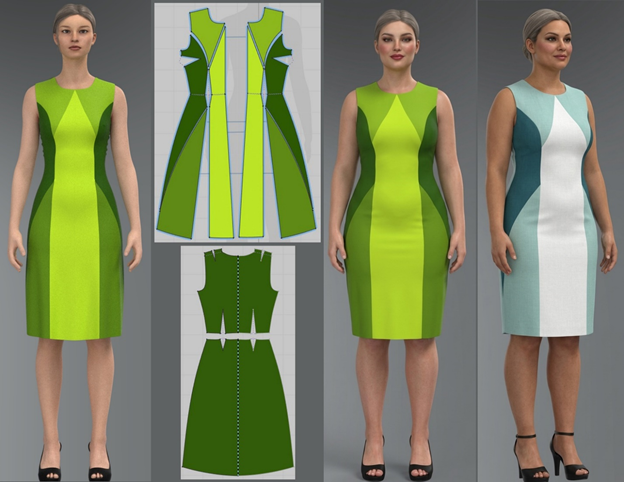
Figure 20 Technical workflow of structural and visual integration in pattern manipulation.
Source: Original 3D illustration and digital pattern construction created by the authors (2026).
Garment construction techniques such as dart manipulation, seam shaping, and structural reinforcement also contribute to silhouette formation. These techniques influence both physical fit and visual perception. Strategic construction allows garments to conform to body contours while maintaining structural integrity. The integration of structural and visual design strategies is essential for achieving silhouette harmony across diverse body types.
Inclusive fashion design and contemporary research directions
Inclusive fashion design has appeared as an important area of research and practice in response to increasing recognition of body diversity.44 A key component of inclusive fashion is silhouette harmony, which integrates anthropometric data, textile science, and design principles to create garments that effectively respond to body diversity. Practice-led research approaches, which combine creative design processes with systematic evaluation, have gained prominence as effective methods for investigating design strategies, allowing designers to test and refine design involvements through iterative experimentation.
Despite these developments, thorough studies that look at how design features, textile characteristics, and pattern manipulation all affect silhouette harmony are still needed. Instead of using integrated design methodologies, the majority of current research concentrates on individual variables. In order to create organized, empirically supported frameworks that promote inclusive and aesthetically pleasing fashion design, more study is required.
Summary of literature gap
The reviewed literature indicates that silhouette harmony is shaped by multiple interrelated factors, including body morphology, design elements, textile properties, and garment construction techniques. While existing studies have examined individual variables such as line, color, and textile behavior, there remains a lack of integrated research that systematically evaluates how these elements interact to influence silhouette harmony across diverse female body types.
Furthermore, limited practice-led research has been conducted to assess the combined impact of these design strategies through structured and comparative evaluation. As a result, there is a need for comprehensive, evidence-based frameworks that connect theoretical design principles with applied garment development. Addressing this gap is essential for advancing inclusive fashion design and providing designers with practical guidelines for achieving balanced and harmonious silhouettes.
Research design
This study uses a practice-led approach to investigate fashion design strategies for achieving silhouette harmony across diverse female body types. The research combines digital garment 3D simulation and physical prototype development to evaluate the effect of design elements on visual proportion and balance.
Participants and body types
Diverse female body shapes, including hourglass, pear, rectangle, and inverted triangle, were considered. Body proportions such as shoulder width, bust, waist, and hip measurements were used to guide garment design.
Design elements
The study focuses on:
Procedure
Data analysis
Data analysis was conducted using a structured visual evaluation framework to assess silhouette harmony across different body types. The evaluation criteria were derived from established design principles, including proportion, balance, elongation, and visual weight distribution.
Each garment design was assessed based on four key parameters:
A qualitative rating scale (low, moderate, high effectiveness) was applied to enable systematic comparison across design variations. This semi-structured approach improves analytical consistency and reduces subjective bias in visual assessment.
Analytical support and comparative evaluation
To enhance methodological rigor, design outcomes were compared across multiple trials and body types. Strategies that consistently achieved high ratings across at least three evaluation criteria were classified as highly effective. Although the study is primarily qualitative, this structured comparative approach introduces a basic level of quantification, strengthening the reliability of the findings.
Effect of line and seam placement
Vertical lines and seam placements consistently produced elongation effects, enhancing perceived height and reducing apparent width. Horizontal lines increased perceived width when applied across broader areas, while diagonal lines effectively redirected visual attention and contributed to balancing proportions, particularly in regions such as the shoulders and hips.
Influence of silhouette
Impact of color
Strategic color placement and color blocking successfully redistributed visual emphasis. Darker shades minimized areas like the waist and hips, while lighter or brighter colors highlighted shoulders and neckline. Gradual color transitions and contrasts improved vertical flow and enhanced overall balance.
Role of textile and texture
Stiffer fabrics maintained structural form and supported defined silhouettes, whereas softer fabrics adapted to body contours for smoother visual lines. Textures influenced perceived size: smooth fabrics created streamlined forms, while textured or reflective materials added prominence to specific areas.
Pattern manipulation
Dart placement, paneling, and contour shaping effectively reshaped garment geometry and balanced body proportions. Strategic seam and panel alignment enhanced elongation and redistributed visual volume for different body types.
Overall findings
Combining multiple design elements lines, silhouette, color, fabric, and pattern produced the most harmonious visual effect, supporting inclusive and body-responsive fashion design. Iterative adjustments improved fit perception and aesthetic balance across diverse female body shapes.
The findings of this study are consistent with established theories of visual perception in fashion design, particularly regarding the influence of directional lines and optical illusion principles. Previous research has demonstrated that vertical segmentation enhances perceived height and reduces apparent width, while horizontal segmentation tends to increase perceived breadth. The present results reinforce these principles, confirming their applicability across diverse female body types. Diagonal lines, by introducing directional movement, were also found to effectively redirect visual attention, supporting earlier studies that highlight their role in balancing disproportionate body regions.
The analysis further indicates that silhouette type plays a critical role in shaping visual balance. Fitted silhouettes accentuate natural body contours, whereas semi-fitted designs provide a controlled balance between structure and flexibility, making them more adaptable across varied body forms. Loose silhouettes, although effective in minimizing specific areas, require careful integration with structural elements such as seams and panels to avoid visual imbalance. This supports existing research suggesting that silhouette effectiveness is not inherent, but dependent on its interaction with other design components.
The impact of color and tonal strategies observed in this study aligns with prior findings in visual perception research, where darker tones are associated with receding effects and lighter tones with visual prominence. The results demonstrate that strategic color placement, including color blocking and tonal gradation, can effectively redistribute visual emphasis and enhance proportional balance. Similarly, textile properties were found to influence both structural form and perceptual outcomes. Stiffer fabrics maintained defined silhouettes, while softer materials followed body contours, producing more fluid visual lines. These findings are consistent with previous studies emphasizing the role of fabric behavior and surface characteristics in shaping perceived volume and form.
Pattern manipulation techniques, including dart placement, panel segmentation, and contour shaping, emerged as particularly effective in modifying garment geometry and redistributing visual weight. While earlier research has examined these techniques individually, the present study demonstrates that their effectiveness is significantly enhanced when applied in combination with other design elements. This highlights a key contribution of the research: silhouette harmony is best achieved through an integrated design approach rather than isolated interventions.
Despite these contributions, the study has several limitations. The evaluation primarily relies on structured visual assessment rather than objective measurement tools such as eye-tracking or user-based perception studies. Additionally, the use of digital simulations and reference images may not fully capture real-world garment behavior and wearer experience. Future research could incorporate quantitative validation methods and user-centered testing to further strengthen the reliability and applicability of the findings.
Overall, this study demonstrates that achieving silhouette harmony in inclusive fashion design requires the coordinated application of multiple design elements, including line, silhouette, color, textile properties, and pattern manipulation. By integrating these factors, designers can more effectively accommodate diverse body forms while maintaining visual balance and aesthetic coherence. The findings provide a structured, evidence-informed framework that supports both practical design application and further research in inclusive fashion.
This study underscores that inclusive silhouette harmony across diverse female body types can be achieved through evidence-based fashion design strategies. By integrating vertical and diagonal lines, fitted and semi-fitted silhouettes, strategic color placement, appropriate fabric selection, and pattern manipulation, designers can enhance visual proportion, balance, and elongation. When applied in combination, these strategies produce aesthetically harmonious and inclusive outcomes.
From a practical perspective, this research provides a framework for designers to:
Overall, these strategies demonstrate that inclusive, body-responsive fashion benefits from systematic, evidence-informed design, rather than relying solely on standardized sizing or intuition. By adopting these approaches, designers can create garments that accommodate a wide range of body shapes, promote positive body perception, and meet the growing demand for personalized, ethically and aesthetically optimized fashion.
None.
The author declares no conflict of interest.
None.

©2026 Habib, et al. This is an open access article distributed under the terms of the, which permits unrestricted use, distribution, and build upon your work non-commercially.