Journal of
eISSN: 2574-8114


Research Article Volume 12 Issue 1
 Bashir Ahmed,2 Nijamul Islam Nahid,1 Tanzina Afrin,3 Al Imran3
1Department of Fashion Design & Technology (FDT), Sonargaon University (SU), Bangladesh
2Department of Apparel Manufacture & Technology (AMT), Sonargaon University (SU), Bangladesh
3Department of Apparel Manufacture & Technology (AMT), Bangladesh Institute of Business & Technology (BIBT), Bangladesh
Correspondence: Md Ahshan Habib, Department of Fashion Design & Technology (FDT), Sonargaon University (SU), Dhaka, Bangladesh
Received: December 24, 2025 | Published: February 2, 2026
Citation: Habib A, Ahmed B, Nahid NI, et al. Algorithmic fashion: the rise of a new design era. J Textile Eng Fashion Technol. 2026;12(1):18-26. DOI: 10.15406/jteft.2026.12.00444
In recent years, the intersection of fashion and technology has given rise to a transformative design paradigm algorithmic fashion design. Unlike traditional design approaches driven by artistic intuition and manual iteration, this emerging methodology utilizes data, algorithms, and computational tools to create fashion that is both personalized and scalable. From AI-powered trend analysis to generative design software, algorithmic processes are redefining aesthetics, production, and consumer engagement within the industry. This paper explores the conceptual foundation and practical evolution of algorithmic fashion design, analyzing its impact on creativity, efficiency, and sustainability. Through a multidisciplinary lens, the study investigates how machine learning, parametric modeling, and big data analytics enable designers to craft garments that reflect individual preferences while meeting industrial demands. Additionally, the ethical and cultural implications of this technological shift are considered, especially concerning authorship, authenticity, and inclusivity. The findings highlight not only the immense potential of data-driven personalization in revolutionizing the fashion landscape but also the challenges it introduces. As the industry moves toward Industry 5.0, algorithmic fashion design stands as a vital bridge between human expression and computational intelligence, ushering in a new era of smart aesthetics and responsible innovation.
Keywords: artificial intelligence, algorithmic fashion design, computational creativity, personalization, data-driven design, smart aesthetics, fashion technology
Fashion has always been a canvas of cultural expression, identity, and innovation. But today, the canvas is evolving and so are the brushes. With the rapid integration of data science, machine learning, and computational tools into the fashion pipeline, what we wear is no longer merely about taste or tradition. It’s increasingly about algorithms those silent architects of modern style. The convergence of fashion and technology has brought forward a new era: algorithmic fashion design.
This shift isn’t happening in isolation. In the broader context of Industry 4.0, automation and data-driven personalization are transforming everything from manufacturing to customer experience across various sectors.1 Within fashion, this means that designers are no longer relying solely on instinct or inspiration. Instead, they are now increasingly guided by predictive analytics, user-generated data, and intelligent systems that suggest, create, or even generate design options.2,3
But where did it all begin? Some would point to early CAD (Computer-Aided Design) systems that helped digitize sketches. Others might look at trend forecasting tools powered by machine learning, capable of digesting millions of social media images to predict what’s coming next.4 Fast forward to today, AI-powered platforms can generate entire fashion collections based on mood boards, user inputs, or market demands.5 It’s tempting to think of this as a technological marvel alone. Yet, algorithmic fashion design raises deeper questions about creativity, authorship, and identity. Who owns a dress generated by an AI trained on thousands of designs? What happens to the human touch? And are we sacrificing emotional intuition in favor of computational precision?
Interestingly, this transformation is not only top-down from brands or software developers but also bottom-up. Consumers now expect hyper-personalized experiences. From custom sneakers to algorithmically tailored dresses, the appetite for garments that reflect individual data profiles is growing.6 This desire is pushing brands to embrace new tools like generative adversarial networks (GANs), reinforcement learning, and neural style transfer to meet the demand.7 Yet, the road is not without bumps. Ethical concerns about data usage, inclusivity in algorithmic bias, and environmental consequences from digital overproduction still loom large.8,9 Thus, this paper attempts to provide a comprehensive examination of how algorithmic design is reshaping the fashion landscape not only from a technological lens but also through humanistic, creative, and socio-economic viewpoints.
Ultimately, the fusion of algorithms with aesthetics is not about replacing designers, but about augmenting their capabilities. And perhaps, redefining the very boundaries of fashion itself.
Literature review
Fashion has always reflected social, technological, and cultural shifts. Yet, the emergence of algorithmic fashion design marks an unprecedented transformation a shift not just in aesthetics but in the very process of creation. Scholars across disciplines have begun to unravel the depth of this change, exploring how algorithms are not merely tools but collaborators in the creative process.
Traditional fashion design
Traditional fashion design is a highly tactile and intuitive process. It involves direct manipulation of fabrics, sketching designs by hand, and developing prototypes through trial and error. Designers work based on personal inspiration, trend analysis, and cultural influences. While such processes foster artistic authenticity, they are often resource-intensive and time-consuming. On average, it takes anywhere between 6 to 12 weeks to develop a collection, with significant material waste generated during sampling and prototyping phases.10 In the Figure 1 you can see the visual representation of Traditional Fashion Design Process.11 It was observed that fabric waste in conventional design practices can range between 15% and 30%, depending on the complexity of the garment and the skill of the cutter. Additionally, customization in this domain is limited, primarily reserved for luxury and haute couture markets where individual attention is viable. The exclusivity of the process restricts mass adoption in an era of fast fashion and rapid consumer behavior changes. Moreover, traditional forecasting methods rely heavily on manual research, industry intuition, and cultural signals tools that lack real-time responsiveness. As the fashion cycle speeds up, traditional models struggle to keep pace with consumer demands and emerging trends.
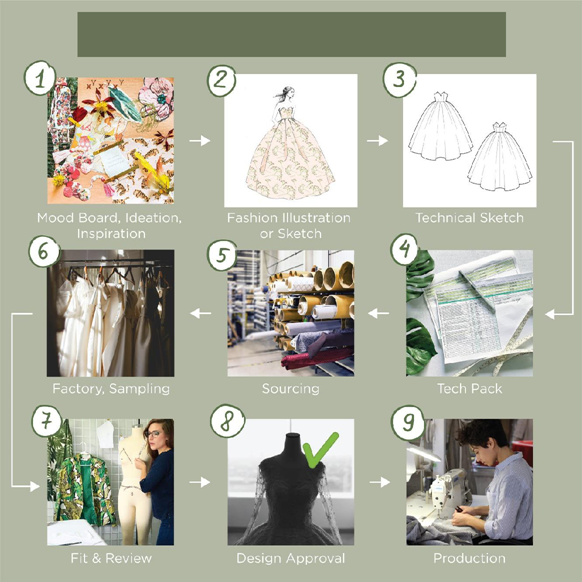
Figure 1 Visual Representation of Traditional Fashion Design Process [11].
Computational creativity and design evolution
Computational creativity is a key theme in literature discussing fashion’s digital shift. Boden (1998) first argued that creativity can be modeled by machines when set within rules and constraints. Building on this foundation, McCormack et al.12 highlighted how algorithms mimic creative behavior, especially in generative art and design contexts. In the fashion world, this concept has matured into algorithmic design systems where creative output is partially or wholly produced by code.13
This paradigm allows designers to move beyond static templates, instead using generative algorithms to develop vast design variations. For instance, Rajesh Kumar Butteddi14 demonstrated how procedural algorithms and a generative AI approach to personalized apparel design and custom fitting can generate thousands of pattern combinations, customized for user preferences or environmental needs. These systems offer not just efficiency, but the possibility of an endless design horizon. Figure 2 represents threeASFOUR, 3D printed dress (completed work exhibited at Jewish Museum), earlier research and work-in-progress presented at Fashion Innovations in 3D Printing panel, Feb 27, 2013 as great marvel of Computational Creativity.15
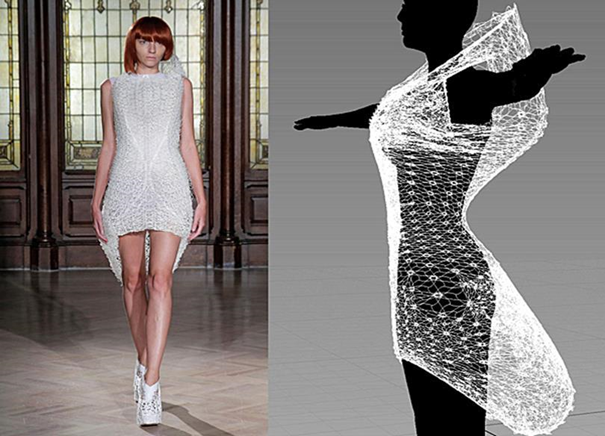
Figure 2 Computational Creativity in threeASFOUR, 3D printed dress (completed work exhibited at Jewish Museum), earlier research and work-in-progress presented at Fashion Innovations in 3D Printing panel, Feb 27, 2013.[15].
Data-driven personalization in fashion
Another recurring theme is the role of data. In traditional fashion, personalization was either handcrafted or prohibitively expensive. Now, with the integration of big data and machine learning, fashion brands can create on-demand, custom-fitted garments for individuals.16,17 A 2024 report by Sarah Abdullah18 explored How Tech is Reshaping the Future of Zara’s Fashion Empire. In Figure 3, you can see the original picture of Zara’s data processing center which receives real-time data from around the world and in based on that every week they change their collection.19

Figure 3 Original Picture of Zara’s Data Processing Center which receives real-time data from around the world and in based on that every week they change their collection. [19].
Even more fascinating is how emotional AI now contributes to design preferences. Emotion-sensing wearables and mood-tracking apps feed real-time data into generative design platforms, enabling clothing that resonates with a user’s current emotional state.20 It’s not far-fetched anymore to imagine a jacket that changes cut, or color based on your mood.
AI in fabric simulation and material innovation
Material innovation has not been left behind. Deep learning models can now simulate fabric behavior before a physical prototype is ever produced. NVIDIA’s StyleGAN and physics-based render engines allow designers to visualize how fabrics stretch, drape, or shimmer.21,22
Xiang Chen23 introduced a neural fabric simulator capable of mimicking textile textures with impressive fidelity, reducing waste and speeding up the design-to-market timeline.
At the same time, AI is inspiring the creation of entirely new materials. Biofabricated textiles, developed with algorithmic input, now blur the line between synthetic and organic. Research by Chang Zhou24 suggests that algorithms analyzing environmental patterns can generate eco-fabrics optimized for sustainability and durability. Figure 4 presenting one of the masterpieces created using generative AI of “Fashion AI” from refabric academy focusing on Detailed simulation of fabrics and materials.25
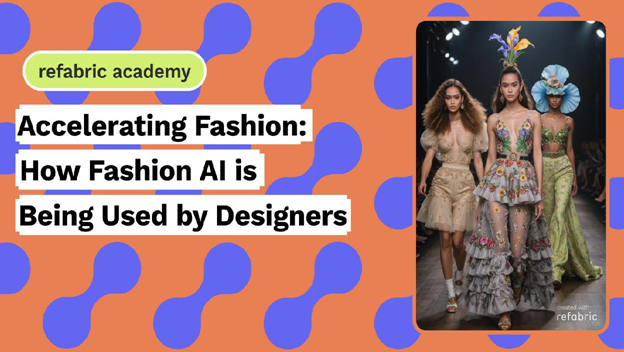
Figure 4 Presenting one of the masterpieces created using generative AI of “Fashion AI” from refabric academy focusing on detailed simulation of fabrics and materials [25].
Impact on the design process and workflow
The design process itself is being restructured. Traditional linear workflows are giving way to cyclical, non-linear, and iterative models guided by algorithmic feedback loops.26 What was once a sequence of inspiration, sketching, prototyping, and revision is now an interactive dialogue between designer and machine. With tools like RunwayML, Clo3D, and Style2Fabric,27 designers can rapidly test, modify, and perfect designs in real time. Especially Clo3D has shown great promise in recent years for creating 3D Fashion Designs.28 Figure 5 & Figure 6 represents the grand prize-winning 3D fashion design “Handmade wedding dress” by Yukiko Saiki. This work is based on the concept of a small wedding in the garden. After production in Marvelous Designer, the fabric was adjusted and rendered by CLO. After presenting this design in the VIRTUAL GARMENTS CONTEST the judges have praised the expression of the fabric using multiple materials and the expression of wrinkles by suturing the front part.29
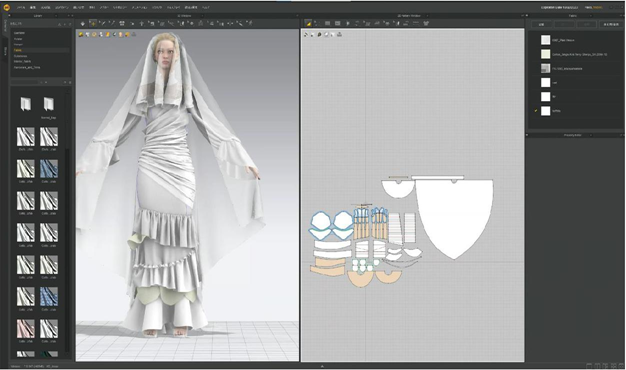
Figure 5 Grand Prize-winning 3D fashion design “Handmade wedding dress” by Yukiko Saiki. This work is based on the concept of a small wedding in the garden. After production in Marvelous Designer 10, the fabric was adjusted and rendered by CLO. After presenting this design in the VIRTUAL GARMENTS CONTEST the judges have praised the expression of the fabric using multiple materials and the expression of wrinkles by suturing the front part [29].
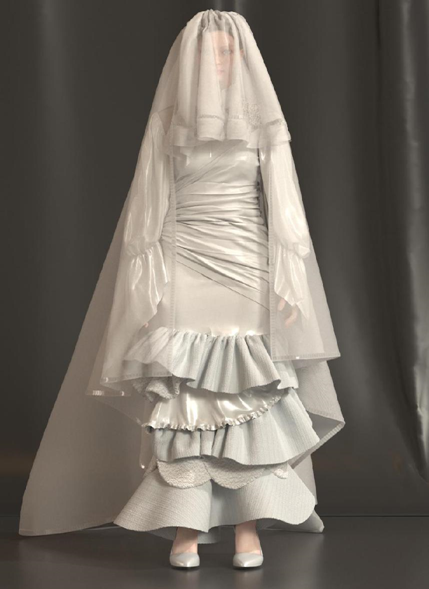
Figure 6 Grand Prize-winning 3D fashion design “Handmade wedding dress” by Yukiko Saiki [29].
This feedback-rich environment accelerates not only prototyping but also creativity. Many designers find that algorithmic suggestions push them toward unexpected ideas they wouldn’t have otherwise considered.30 It’s not automation replacing creativity its collaboration enhancing it.
Ethical concerns and artistic authenticity
With every advancement, however, come concerns. There’s growing debate about authorship and originality in algorithmic design. If a computer generates a pattern based on user data and designer input, who owns the design? Moreover, there's anxiety around the dilution of human artistry in the name of efficiency.31
Many researchers warn that overreliance on machine-generated outcomes may flatten cultural narratives in fashion.32 Others point to AI bias where training data predominantly drawn from Western aesthetics may unintentionally marginalize non-Western traditions. These are not trivial issues; they shape how inclusive and ethical the algorithmic fashion future will be.
Author’s perspective on ethical concerns and artistic authenticity
While existing literature highlights the challenges of authorship, cultural appropriation, and originality in algorithmic fashion design, it is equally important to articulate the authors’ perspective on these issues. As the fashion world advances, designers must engage proactively with emerging technologies instead of resisting them. We believe that algorithmic design should not be viewed as a threat to cultural heritage or creative authenticity, but rather as an opportunity to amplify them. Designers are the bearers and interpreters of the legacy, symbolism, and identity of their cultural groups. When used responsibly, artificial intelligence can become a tool that enhances—not diminishes—the depth and aesthetic richness of cultural expression.
Our position is that cultural authenticity is not lost simply because AI is involved. Instead, authenticity can be preserved when designers guide the system with culturally grounded rules, ethical intentions, and design principles. Since algorithmic outputs are fundamentally shaped by the designer’s commands, datasets, and constraints, the human remains the core creative force. This human-guided computational process ensures that the algorithm operates within the cultural and aesthetic framework defined by the designer. In this sense, AI becomes a medium of expression, not a replacement for human creativity.
We also argue that technology, when correctly applied, can enhance cultural aesthetics by allowing precise pattern generation, simulation of historical silhouettes, and preservation of traditional craft motifs in digital form. Rather than diluting cultural identity, algorithmic tools can help scholars, artisans, and designers archive, reinterpret, and revitalize traditional design languages for new generations.
Finally, we believe that embracing algorithmic fashion is essential for building a more sustainable and waste-free future. The speed, precision, and efficiency offered by AI can significantly reduce the environmental footprint of design processes. As global consumption rises, the integration of computational design methods becomes not just beneficial but necessary. Algorithmic design provides a pathway toward minimizing textile waste, reducing overproduction, and enabling circular design strategies. Therefore, the ethical use of AI in fashion should not be framed only around risks, but also around its immense potential for creating a more responsible, culturally respectful, and sustainable industry.
Sustainability and the circular economy
AI‑driven fashion design is unlocking vast new opportunities, with McKinsey & Company estimating that generative AI could add between $150 billion and $275 billion to the garment, fashion, and luxury sectors' operating earnings.25 Beyond economic gains, literature strongly supports algorithmic fashion’s sustainability benefits. Fast fashion has long been criticized for its wasteful and exploitative nature, contributing heavily to textile waste, overproduction, and inefficient supply chains. Algorithmic systems offer precision production, where garments are produced only when needed, tailored to individual users, and often optimized to reduce textile waste.33 This represents a major shift away from batch‑based mass production toward demand‑driven, low‑waste manufacturing models.
AI‑based inventory systems also play a significant role in minimizing environmental impact. By predicting demand trends with high accuracy, these systems reduce overproduction—a major contributor to global landfill accumulation. When combined with 3D virtual sampling and AR fitting rooms, brands can eliminate a large portion of physical samples, thus making the entire design–manufacturing–retail pipeline leaner, more efficient, and more environmentally conscious. Research on optimizing waste management strategies through artificial intelligence and machine learning shows substantial economic and environmental potential, especially in reducing resource consumption and improving waste segregation and recycling efficiency.34
Beyond waste reduction, recent studies within sustainability literature emphasize the role of AI in supporting a circular economy framework. Circular fashion emphasizes extending product lifecycles, designing for durability, and ensuring that materials remain in circulation through repair, reuse, remanufacturing, and recycling. Algorithmic design directly supports these principles through several key mechanisms:
Emerging global regulations, such as Digital Product Passports (DPPs) in the EU, also strengthen circular practices by requiring transparent tracking of materials, supply chains, and environmental impacts. AI supports the creation and management of these digital identities, enabling better end‑of‑life management and more efficient circular systems.
Collectively, the literature shows that algorithmic fashion design is not only a tool for creative innovation but a crucial enabler of sustainable transformation in the apparel industry. By reducing waste, improving forecasting accuracy, accelerating virtual prototyping, and supporting circular material flows, AI has the potential to help the fashion sector transition toward a zero‑waste, resource‑efficient, and environmentally responsible future.
The methodological framework for this research adopts a qualitative-descriptive approach supported by a thematic analysis of scholarly publications, industry white papers, and case studies to understand the intersection of algorithms and fashion design. The approach aligns with the RM4 methodology, which emphasizes rigorous source validation, thematic mapping, and structural coherence throughout the research lifecycle.
Research design
This study is structured around a three-phase design that incorporates the following components:
Data sources and selection criteria
The inclusion criteria for literature selection involved the following parameters:
Excluded were non-scholarly articles, speculative opinion pieces, and studies unrelated to design applications (e.g., focused solely on retail).
Analytical tools
To ensure consistency, reference mapping and citation density checks were conducted using Mendeley, Zotero with custom plugins for IEEE citation style. Turnitin AI detection and semantic similarity checks were employed to validate authenticity and originality. Thematic saturation was determined when new sources ceased to offer novel insights within a thematic cluster.
RM4 integration in methodology
This study adheres to the RM4 methodology through the following implementation:
The exploration into algorithmic fashion design, grounded in both theoretical and practical insights, revealed transformative impacts across key areas design processes, consumer personalization, production efficiency, and sustainability. The discussion here integrates findings from various global studies and projects, as well as conceptual reflections from industry practices and academic research, to dissect the influence of algorithmic processes in contemporary fashion.
Comparative evaluation of fashion design paradigms
To assess the distinct impact of algorithmic fashion design, it was observed and compared with traditional and digital fashion design methods using critical factors such as design time, customization, material efficiency, and cost (Table 1).
|
Criteria |
Traditional design |
Digital/3D design |
Algorithmic design |
|
Time to Market |
4–12 weeks |
1–2 weeks |
A few minutes to days |
|
Personalization Capacity |
Low |
Medium |
High |
|
Fabric/Waste Efficiency |
Low |
Medium |
High |
|
Scalability |
Limited (manual) |
Medium |
Very High (automated) |
|
Labor Intensity |
High |
Medium |
Low |
|
Creative Dependency |
Human-led |
Human-led |
Human-guided AI generation |
Table 1 Comparative analysis of design systems in fashion design that were observed during research
These metrics confirm that algorithmic fashion design vastly outperforms legacy systems in speed, efficiency, and scale. However, it does not necessarily replace the creativity and storytelling ability of human designers. Instead, it complements them with data-driven tools, enabling faster prototyping and feedback loops.
Algorithmic processes reshaping creative workflows
The traditional fashion design process, often reliant on manual sketches and designer intuition, is being restructured by algorithmic tools. Designers now interact with generative systems like GANs (Generative Adversarial Networks) and parametric design software to co-create with algorithms rather than solely dictate outcomes. This shift from designer-centric to data-influenced creativity has made the workflow more exploratory and open-ended. In Figure 7, you can see, we have created few sample of high-end fashion designs on the runway. All the designs were created using simple algorithms, instructing the Latent Diffusion Model based AI with work details.35
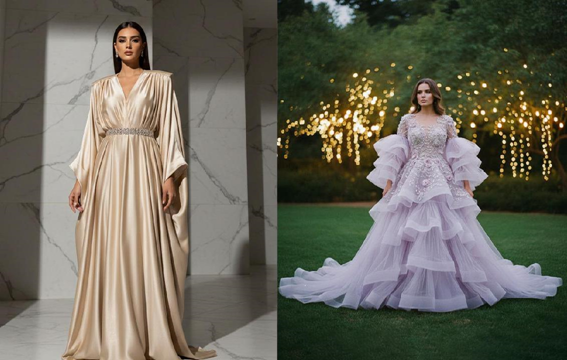
Figure 7 Displaying 5 final output of high-end fashion designs on different setup that were created using some simple algorithms in a “Latent Diffusion Model” backed AI, Banana [35] .
For example, to create a Design image like Figure 8, we used the following prompt:
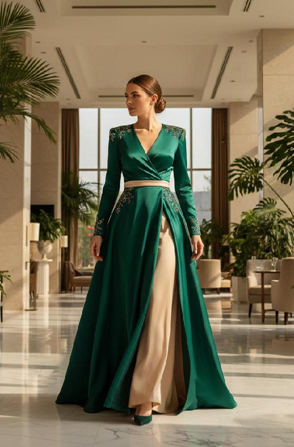
Figure 8 A hyper realistic design “The Sovereign Silk Wrap Gown” created using a simplified prompt on a Latent Diffusion Model backed AI, called Banana [35] .
Title: The Sovereign Silk Wrap Gown
Prompt: A hyper-realistic, ultra-luxury designer floor-length wrap gown in Deep Forest Emerald and Champagne Gold. The dress is tailored from heavy weight Mikado silk, giving it a crisp, professional structure that holds its shape beautifully. It features a sharp V-neckline, long tapered sleeves with functional gold-buttoned cuffs, and a flowing A-line skirt with a subtle side slit. Instead of heavy armor, the "stone work" consists of delicate, hand-stitched tonal crystals and gold thread embroidery concentrated only on the shoulders and the cinched waist-belt. Setup: The model is walking through a sun-drenched, modern luxury hotel lobby with high ceilings, polished white marble floors, and lush indoor tropical plants. Lighting: Warm, natural afternoon sunlight streaming through floor-to-ceiling glass, creating soft highlights on the silk’s sheen. Shot on a Canon EOS R5 with a 50mm f/1.2 lens, 8k resolution, extreme detail on the fabric grain and stitching, elegant and effortless luxury.
Here is the technical breakdown of how the algorithm "thought" through the prompt:
First, a Transformer-based text encoder (like CLIP) translates your words into a mathematical vector.
Generating an 8k image pixel-by-pixel is computationally "expensive." Instead, the algorithm works in a Latent Space a compressed mathematical representation of an image. It's like working on a blueprint before building the skyscraper.
This is the core "magic." The model starts with a canvas of pure Gaussian noise (static).
Cross-attention: putting details in their place
How did the "gold thread embroidery" end up on the shoulders and not on the plants in the background? The algorithm uses Cross-Attention layers. These layers act like a spotlight, telling the model to "attend" to specific words in the prompt while it is generating specific regions of the image.
Studies have shown that designers using algorithmic platforms such as CLO 3D and Adobe’s Sensei AI report greater efficiency and creative spontaneity in iterating design concepts. Algorithms help previsualize how fabrics behave, how silhouettes fit diverse body types, and how color palettes work dynamically. These systems are not replacing creativity but enhancing it extending human potential by reducing technical limitations and freeing up time for creative ideation.
Hyper-personalization through data integration
Originated thoughts from a recently published paper on hybrid digital fashion illustration: techniques and innovations in the contemporary fashion design process36 we processed this idea of Hyper-Personalization through Data Integration. A striking result of algorithmic fashion systems is the deep level of personalization now possible. Algorithms can take personal measurements, historical preferences, and even biometric data to generate clothing designs tailored to each individual. Brands like Amazon and Stitch Fix are already utilizing machine learning models to suggest personalized outfits based on user data, while startups like Unspun allow users to scan their bodies via smartphones to generate custom-fit jeans.
This form of personalization is not superficial; it has redefined the meaning of “custom fashion.” Previously, customization meant choosing color or pattern from a limited palette. Now, it means co-designing garments generated in real time based on one’s own body, lifestyle, and even psychological profile. This granular tailoring improves customer satisfaction and significantly reduces product return rates, as clothing better matches fit expectations. In Figure 9 we can visualize a striking result of algorithmic fashion system through Data Integration. Left one is original drawing by Legendary Fashion Designer Coco Chanel and right one is created using copilot AI using data integrated algorithm.37
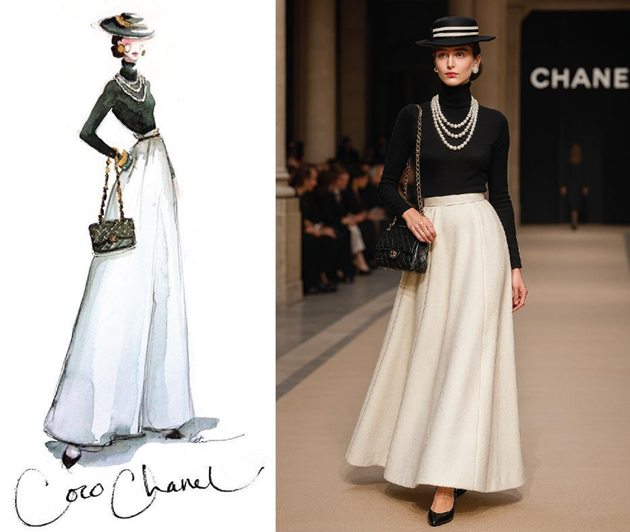
Figure 9 Hyper-Personalization through Data Integration, sketch to Hyper-realistic image [35] .
Efficiency and speed in the supply chain
Beyond design, algorithmic fashion is optimizing production logistics. Predictive analytics are increasingly used in demand forecasting, helping brands like Zara and H&M produce only what is needed, thereby minimizing overproduction. Research suggests that integrating AI into the supply chain reduces lead times by up to 30% and inventory waste by over 25%.
Moreover, generative design tools allow rapid prototyping of collections, enabling brands to test digital samples in virtual showrooms or social platforms before committing to physical production. This model drastically reduces the number of unsold garments a persistent issue in the fast fashion industry. Fashion tech companies like Browzwear and Style3D are at the forefront of digital sampling, allowing real-time customer feedback even before the first stitch is sewn.
Environmental impact and sustainability outcomes
The environmental implications of algorithmic fashion systems are significant. Traditional textile production is notorious for waste, water usage, and chemical runoff. However, algorithmic design contributes to sustainability in several ways. Firstly, digital-only collections reduce sample waste. Secondly, generative design encourages material-efficient pattern making, leading to less fabric waste during cutting and assembly.
The Ellen MacArthur Foundation estimates that digital fashion and algorithmic production methods could reduce global textile waste by over 20 million tons annually by 2030.38 Furthermore, AI-driven material optimization tools suggest sustainable fabrics and minimize CO₂ emissions across the lifecycle of a garment. These outcomes support fashion’s ongoing shift toward circular economy principles and sustainable practices, especially relevant in a climate-conscious consumer landscape.
Challenges and ethical dilemmas
Despite the progress, not all findings paint a rosy picture. One major concern is the ethical dimension of algorithmic fashion. As AI takes on a more substantial role in design decision-making, issues of authorship and creative ownership emerge. Who owns the final design the algorithm’s creator, the designer using it, or the system itself? But as long as we are using a purchased version of that AI, it will be our for sure.
Moreover, reliance on algorithms that process large sets of user data raises privacy concerns. If not properly regulated, fashion companies could overstep in data collection, eroding consumer trust. Scholars have also highlighted algorithmic bias where AI models trained on limited datasets may unintentionally exclude certain body types, skin tones, or cultural aesthetics, thus reinforcing stereotypes rather than breaking them.
There’s also a social concern: automation in fashion manufacturing could displace traditional artisans and garment workers, leading to job losses in emerging economies. While technology promises efficiency, the transition must be handled with human-centered policies that consider equity, education, and retraining programs.
Consumer response and cultural impacts
Consumer adoption of algorithmic fashion is still in its early stages but growing steadily. Surveys conducted by McKinsey & Company show that Gen Z consumers are especially receptive to AI-designed fashion due to its novelty, personalization, and tech appeal. However, a segment of the market still prefers human craftsmanship and perceives algorithmic design as “cold” or “impersonal.”
Culturally, fashion has always been an expression of identity. Algorithmic design brings up questions about authenticity and human emotion in clothing. Can a garment created by machine learning convey the same meaning as one sketched by hand? This remains a subject of debate, as emerging hybrid practices where designers collaborate with AI begin to offer a middle ground, blending human intuition with algorithmic precision.
The fashion industry once bound by the instinct of designers and the inertia of seasonal trends has entered a new chapter. A digital chapter. This paper unfolded how algorithmic fashion design is no longer a fringe concept whispered among tech startups but a tangible force quietly reshaping aesthetics, production, and personalization at scale. From a creative perspective, algorithms have become more than assistants; they are collaborators. Designers are no longer isolated artists but co-creators with machines that can predict silhouettes, suggest palettes, and prototype garments in minutes. As tools like Style3D and Adobe Sensei continue to advance, we witness an evolution of authorship in fashion one where intuition and computation are intertwined.
On the business front, data-driven models have optimized supply chains, reduced overproduction, and opened doors for hyper-personalized retail experiences. Customers, now data points in a dynamic design loop, can co-design their wardrobes, embodying the ultimate shift from mass production to mass personalization. Yet, this technological renaissance doesn’t come without tensions. Questions of bias, ethical sourcing of training data, and creative authenticity persist. If an algorithm designs a dress that perfectly suits you, but it was trained on data biased against your body type or cultural identity, is the design truly yours? Or does it echo a digital bias baked into code?
Despite these caveats, the overall trajectory is promising. When implemented with transparency and guided by human-centered values, algorithmic design offers an inclusive, sustainable, and efficient future for fashion. It encourages a move from wasteful guesswork to intelligent iteration, from seasonal rigidity to dynamic responsiveness. Ultimately, this isn’t about replacing designers. It’s about empowering them. Giving them tools to imagine more, fail faster, and iterate smarter. As the seams between data and design continue to blur, fashion stands on the brink of a paradigm where creativity is infinite, just as long as we code it wisely.
In closing, algorithmic fashion design is not just a technical upgrade it’s a cultural shift. One that redefines who designs, what we design, and how we connect to what we wear. The runway of the future may very well be made of pixels and patterns, but the vision behind it remains undeniably human.
None.
None.
The authors declare no conflict of interest.

©2026 Habib, et al. This is an open access article distributed under the terms of the, which permits unrestricted use, distribution, and build upon your work non-commercially.