Journal of
eISSN: 2475-5540


Research Article Volume 10 Issue 1
 Sagar Trivedi,1 Mohammed Qutub,2 Amol Tatode,3 Tanvi Premchandani,2 Ujban Hussain1
1School of Pharmacy, G H Raisoni University, India
2Department of Pharmaceutics, Smt. Kishoritai Bhoyar College of Pharmacy, India
3Department of Pharmaceutical Sciences, Rashtrasant Tukadoji Maharaj Nagpur University, India
Correspondence: Manisha Kawadkar, Professor, School of Pharmacy, G H Raisoni University, Saikheda, Madhya Pradesh, India
Received: July 19, 2025 | Published: August 20, 2025
Citation: Kawadkar M, Trivedi S, Qutub M, et al. Computer aided drug design as a catalyst for next-generation therapies in breast and ovarian cancer. J Stem Cell Res Ther. 2025;10(1):192-203. DOI: 10.15406/jsrt.2025.10.00206
Ovarian and breast cancers are the most complex malignancies in women, showing high genetic heterogeneity, dynamic tumor microenvironments, and resistance to conventional therapies. Computer-Aided Drug Design has emerged as a transformative tool that could overcome these challenges by streamlining drug discovery, improving target specificity, and enabling personalized treatment approaches. Techniques such as molecular docking, pharmacophore modeling, and QSAR analysis have helped identify new inhibitors of key targets - HER2, BRCA1/2, PI3K/AKT/mTOR pathways. CADD is also instrumental in optimizing existing therapies, predicting mechanisms of resistance, and repurposing FDA-approved drugs for higher efficacy against cancer-specific pathways. Advances in nanotechnology, combined with CADD, have resulted in the creation of targeted nanocarriers like liposomes and polymeric micelles, allowing for improved delivery of drugs as well as decreasing systemic toxicity. Artificial intelligence and machine learning are currently accelerating the development of multi-targeted therapies and biomarkers towards precision medicine. Despite the present obstacles, tumor heterogeneity, and drug delivery barriers, such continued innovations within CADD technology and experimental validation may revolutionize ovarian and breast cancer treatments towards a more personalized and sustainable therapeutical treatment strategy.
Keywords: ovarian cancer, breast cancer, computer-aided drug design (CADD), molecular docking, targeted therapies, nanocarriers
Ovarian and breast cancers are among the most complex and aggressive malignancies in women, posing significant therapeutic challenges. Ovarian cancer is the fifth leading cause of cancer-related deaths among women, while breast cancer is the most prevalent malignancy affecting women worldwide.1 Both cancers exhibit invasive and metastatic characteristics, complicating treatment and reducing survival rates. Current therapeutic approaches, including surgical resection, chemotherapy, and radiation therapy, have shown limited efficacy in achieving long-term disease control. Tumor heterogeneity in these cancers leads to variable responses to treatments and a high rate of recurrence. For instance, ovarian cancer often develops resistance to platinum-based chemotherapy, while breast cancer patients may fail to respond to hormone therapy or HER2-targeted treatments.2 Additionally, the systemic toxicity of chemotherapeutic agents significantly impacts the quality of life, with prolonged use resulting in severe side effects and diminished treatment outcomes. The development of novel therapeutic approaches is crucial to overcoming these limitations. Targeted therapies, which focus on specific molecular anomalies such as BRCA mutations in ovarian cancer or HER2 overexpression in breast cancer, are particularly promising.3 These therapies minimize damage to healthy tissues and enhance treatment efficacy, paving the way for more personalized approaches tailored to the unique molecular profiles of tumors. However, the process of discovering and developing new drugs is inherently prolonged and expensive, with an average cost exceeding $2.6 billion and a timeline of more than a decade. A significant challenge in developing treatments for these cancers lies in effectively targeting the tumor microenvironment and metastatic sites, which often present resistance mechanisms and metabolic barriers that hinder therapeutic efficacy.4 Computer-aided drug design (CADD) has emerged as a transformative tool in addressing these challenges. This computational approach leverages high-performance algorithms to model, simulate, and predict drug interactions with biological targets. CADD accelerates the identification of promising drug candidates, reduces development costs, and facilitates the design of therapies that specifically target key pathways in ovarian and breast cancers. Techniques such as molecular docking enable researchers to predict how potential drugs bind to specific cancer targets, such as PARP inhibitors for BRCA-mutated ovarian cancer or HER2 inhibitors for breast cancer. Quantitative structure-activity relationship (QSAR) models help identify critical structural features essential for therapeutic activity, while machine learning algorithms analyze vast datasets to predict drug efficacy and toxicity.5 Furthermore, CADD aids in designing molecules that can overcome challenges within the tumor microenvironment, enhancing the specificity and effectiveness of treatments. Advances in CADD have led to the identification of several promising drug candidates that are now progressing through preclinical and clinical trials. These efforts are further enhanced by integrating network pharmacology,6,7 which identifies multiple targets within cancer signalling pathways and informs combination therapies. Artificial intelligence (AI) has also accelerated the discovery of effective and personalized drugs by enabling rapid analysis of large datasets. In addition, nanotechnology has been leveraged to design drug delivery systems, such as liposomes and polymeric micelles that precisely target metastatic sites, improving drug accumulation at the tumor and reducing systemic side effects.8
CADD offers a cost-effective and efficient pathway for discovering and developing targeted therapies for ovarian and breast cancers.9 By facilitating the design of highly specific and optimized drugs, this approach holds the potential to improve patient outcomes significantly. With its ability to integrate cutting-edge technologies and address the challenges posed by tumor heterogeneity and resistance mechanisms, CADD promises to play a pivotal role in advancing personalized and precise treatments for these devastating malignancies.10
CADD has helped to develop targeted therapies for ovarian and breast tumor treatment. Increasingly complex molecular treatment of ovarian and breast cancer has revealed the immense potential of CADD for drug discovery. CADD aims to improve drug discovery processes through computational methods (Table 1) that allow the prediction of certain drug-target interactions before launching expensive and time-consuming experimental drug trials.11 In cancers like ovarian and breast, with tumor heterogeneity and therapy resistance, CADD has become key to the design of drugs that are more specific, efficacious, and less toxic. On the basis of the methodology, CADD is grouped mainly into two approaches: SBDD and LBDD. These methodologies are of immense promise to address the molecular complexities of ovarian and breast cancer.12 The SBDD mechanism uses the three-dimensional structure of target proteins or local receptors to predict the interaction of a drug. Other common molecular targets found for the mentioned cancer types are estrogen receptors(ER), progesterone receptors (PR), HER2, BRCA1/2, as well as the PI3K/Akt/mTOR and PARP pathways. Molecular docking, a core approach in SBDD, identifies compounds with high binding affinities to these targets, in doing so optimizing their therapeutic potential.13 Indicative of this is the development of SBDD leading to the discovery of trastuzumab for HER2-positive breast cancer, taking account the binding characteristics to the HER2 receptor. Likewise, olaparib is a PARP inhibitor developed for clinical use in BRCA-mutant ovarian and breast cancers thanks to computational docking, giving rise to selective inhibition of the DNA repair process in cancer cells. Conversely, LBDD is taken to be the activity- and structure-based approach for designing new drug candidates predicated on the similarities of structurally and functionally known active compounds. This involves the SERM and SERD developmental pipeline that includes tamoxifen and fulvestrant for ER-positive breast cancer.14 Quantitative structure-activity relationship and pharmacophore modeling has led to the identification of new candidates with improved pharmacokinetics and therapeutic efficacy. Drug resistance to chemotherapy and targeted therapies remains a major challenge in ovarian and breast cancer treatment. Further work by CADD has been useful in the study of drug resistance mechanisms and next-generation drug design. Resistance to platinum-based chemotherapy, the mainstay in ovarian cancer, is frequently explained by the upregulation of key enzymes that foster enhanced DNA repair in the tumor cells.15
|
Approach |
Data required |
Strengths |
Limitations |
Examples in breast cancer |
Examples in ovarian cancer |
|
Structure-based drug design (SBDD) |
3D structure of target protein (X-ray crystallography, NMR, cryo-EM) |
High specificity; enables rational design of inhibitors; can optimize binding affinity |
Requires high-resolution structure; may not capture protein flexibility |
HER2 inhibitors (Lapatinib, Tucatinib); PARP inhibitors optimized for BRCA1/2 mutations |
PARP inhibitors (Olaparib, Talazoparib) for BRCA-mutant tumors; VEGFR inhibitors (Cediranib) |
|
Ligand-based drug design (LBDD) |
Structures and activity data of known ligands |
Useful when target structure unavailable; identifies SAR trends |
Relies on quality and quantity of ligand data; may miss novel scaffolds |
Selective estrogen receptor modulators (SERMs) such as Tamoxifen analogues; Fulvestrant derivatives |
Development of novel platinum analogues based on existing active compounds |
|
Quantitative structure–activity relationship (QSAR) |
Numerical molecular descriptors and experimental activity data |
Predicts potency, selectivity, and ADMET; cost-effective screening |
Dependent on dataset quality; may not account for dynamic interactions |
QSAR-guided optimization of CDK4/6 inhibitors (Palbociclib derivatives) |
QSAR models for predicting potency of novel aromatase and PARP inhibitors |
|
Pharmacophore modeling |
3D arrangement of essential binding features from active compounds |
Identifies key interaction features; supports virtual screening of large libraries |
May oversimplify binding interactions; sensitive to alignment errors |
Pharmacophore-based design of aromatase inhibitors; HDAC inhibitor leads |
Pharmacophore-based screening for MMP and HDAC inhibitors in metastasis control |
|
Artificial intelligence / machine learning (AI/ML) |
Multi-omics data, chemical libraries, activity datasets |
Learns complex patterns; enables de novo design; predicts resistance mechanisms |
Requires large, curated datasets; results may lack interpretability |
Deep learning–optimized HER2 inhibitors; ML-guided drug repurposing (e.g., anti-viral repositioned for TNBC) |
AI-driven identification of PI3K/AKT/mTOR inhibitors; ML-predicted drug combinations to overcome platinum resistance |
Table 1 Comparative overview of major CADD approaches applied in breast and ovarian cancer therapy
CADD has led to the design of inhibitors targeting pathways like ATR (ataxia-telangiectasia and Rad3-related protein) or CHK1 (checkpoint kinase1), which make cancer cells more sensitive to platinum agents. In breast cancer, endocrine resistance particularly to several classes of agents, including tamoxifen, has led to the development of SERDs and CDK4/6 inhibitors. For example, palbociclib was optimized as a CDK4/6 compound through molecular docking and pharmacophore modeling for better antitumor activity against ER-positive, HER2-negative breast cancer.16 Tumor microenvironment (TME) is central, along with the few other involved ones, to ovarian and breast cancer progression, angiogenesis, and immune evasion. CADD has developed compounds targeting said TME components, which would otherwise not be offence with innovative therapeutic strategies Drugs act on angiogenesis by starving tumors of crucial nutrients; these drugs include bevacizumab, which is an anti-VEGF monoclonal antibody.
CADD optimizations from this have led to next-generation VEGF inhibitors with improved pharmacokinetics and reduced resistance. For example: axitinib, by molecular docking and pharmacophore modeling, works by blocking VEGF receptors and thus should have better outcomes in ovarian and breast cancers.17 Immune evasion in these cancers has been targeted with designed inhibitors to PD-1/PD-L1 and CTLA-4 pathways.18 Current strategies comprise the design of small-molecule inhibitors19 and combination therapies that further extend immune checkpoint blockade efficacy. Inevitably, among these develops the design of small-molecule inhibitors and or combinations further to bring immune checkpoint blockade into focus.20 This CADD application has available the design of inhibitors for matrix metalloproteinases, such as marimastat, which are aimed selectively toward ECM components so as to enhance drug delivery or the tumor sensitivity to therapies.21 The conlisum of ML and AI comprehension into CADD has shown tremendous leaps in innovation towards ovarian and breast cancers. These computational approaches are evolving to improve the prediction of drug-target interactions (DTIs) by allowing for increasingly precise identification of effective combinations of drugs, and enabling quick adjustment of already existing therapies to tackle the challenges posed by these cancers. AI algorithms have displayed immense potential towards de novo drug design, in which entirely novel chemical structures having desired biological properties are created.
These AI generated molecules are designed aiming specific structural and pharmacokinetic properties- blood-brain barrier(BBB) permeability, receptor specificity and metabolic stability, which are almost relevant towards targeting ovarian cancer cells and hormone sensitive breast cancer cells.22 In ovarian cancer, AI-based de novo design has been used to develop small molecules that target histone deacetylases (HDACs) and poly(ADP-ribose) polymerases (PARPs), key enzymes in regulating epigenetic tumor progression. These molecules are designed to selectively inhibit pathways related to tumor growth with minimal off-target effects. Similarly, in breast cancer, AI algorithms are able to design some compounds that target hormone receptors like estrogen and progesterone receptors, often overexpressed in subtypes of breast cancers like estrogen receptor-positive (ER+) breast cancer. Several compounds produced by AI have exhibited very high potency in preclinical models for anti-tumor processes and some continue to go into clinical development.23 This methodology serves as an example of the amazing capabilities of AI in hastening the discovery of drug candidates from scratch. Thus, facilitating the development of new treatments to better treat ovarian and breast cancer. Several of the common drugs used to treat breast and ovarian cancer have come about because of CADD paths. For instance, afatinib, a second-generation EGFR inhibitor, was identified through virtual screening and structure-based optimization to increase its binding affinity for EGFR mutants that are frequently overexpressed in some aggressive subtypes of breast cancer, including triple-negative breast cancer (TNBC). The other drugs that have shown a lot of promise, Ivosidenib and Temozolomide (TMZ), are now in the final stages of optimization through molecular modeling techniques in order to try and enhance selectivity and efficacy in cancer cells, where the dysregulation of metabolic pathways plays a huge role in cancer cell survival.24
EGFR inhibitors, namely Erlotinib and Gefitinib, were developed through the application of structure-based approaches that seek to target the tyrosine kinase domain of the EGFR-a receptor commonly overexpressed in ovarian and breast cancers. While these drugs have been shown to work in cancer, a resistance mechanism, such as mutations in the EGFR receptor or activation of alternative signaling pathways, still remains an impediment. To overcome this predicament, CADD is directed at planning next-generation inhibitors and combination therapies capable of evading such resistance mechanisms.25 Also, CADD is playing an increasingly important role in developing combination therapies for the inherent molecular complexity that characterizes breast and ovarian cancers. By revealing synergistic pairings of drugs, this process allows CADD to design treatment combinations that aim to hit multiple pathways at once, potentially overcoming resistance and subsequent patient outcomes. The full range of this AI and CADD (Table 2)26-35 technology holds great promise to develop new clinical approaches to therapy in ovarian and breast cancer, where personalized and targeted therapies are fast becoming the standard treatment.
|
Method |
Focus/key findings |
Reference |
|
ML-driven pharmacogenomics |
Utilized pharmacogenomic profiling to identify biomarkers and responses in ovarian and breast cancer for EGFR and BRCA mutations. |
26 |
|
ML-predicted combination therapy |
Optimized drug combinations (e.g., CDK4/6 and PI3K inhibitors) to enhance outcomes and reduce resistance in breast cancer. |
27 |
|
REFLECT: network-based DTI prediction |
Applied AI models to predict drug-target interactions in ovarian cancer, focusing on PI3K/Akt pathway. |
28 |
|
AI-driven molecular docking |
Identified novel compounds targeting HER2-positive breast cancer using molecular docking and ML models. |
29 |
|
Phosphoproteomics + ML |
Combined phosphoproteomics with ML to analyze resistance in TNBC, identifying actionable targets. |
30 |
|
Clinical potential of CDK4/6 inhibitors |
Evaluated CDK4/6 inhibitors in ovarian cancer, showing AI's role in optimizing therapeutic responses. |
31 |
|
Precision medicine trial design |
Used ML-guided trial designs for personalized therapy in breast cancer, tailoring treatments to patient-specific omics data. |
32 |
|
Proteome-wide target deconvolution |
Applied ML scoring systems to proteomics data, identifying bioactive compounds for ovarian cancer therapy. |
33 |
|
Drug resistance mechanism analysis |
Leveraged ML to uncover resistance mechanisms in breast cancer, focusing on BRCA and HER2 pathways. |
34 |
|
Drug repositioning in breast cancer |
Identified potential drugs targeting HER2 in breast cancer using ML-guided pathway analysis and repositioning strategies. |
35 |
Table 2 Computational approaches
The heterogeneity and complexity of ovarian and breast cancers, along with drug resistance mechanisms, have seen the extensive application of CADD in speeding up drug discovery and optimizing treatment strategies (Figure 1). Molecular docking, a fundamental technique in CADD, predicts the preferred orientation of a drug candidate when bound to its target protein, which allows insight into the binding affinity and stability. In ovarian and breast cancer, docking simulations have been important in the identification of potential inhibitors for oncogenic proteins such as estrogen receptors (ER), HER2, and PI3K, which are frequently implicated in cancer progression and metastasis.36 For instance, molecular docking is used to design selective inhibitors of the HER2 receptor, which is overexpressed in HER2-positive breast cancer, or estrogen receptors in hormone-dependent ovarian and breast cancers.37 Besides, docking has applied to optimize an existing molecule for example Tamoxifen and Trastuzumab by raising the binding affinity and selectivity. Current in silico studies work on enhancing these inhibitors' specificity to reduce their off-target impacts and improve therapies. In ovarian cancer, molecular docking has been used to identify small molecules targeting PI3K and mutant p53 proteins, which are common in ovarian cancer and critical for the proliferation and survival of cancer cells. Recent efforts have focused on optimizing molecules to inhibit these targets with high specificity and ensure effective delivery to tumor sites.38
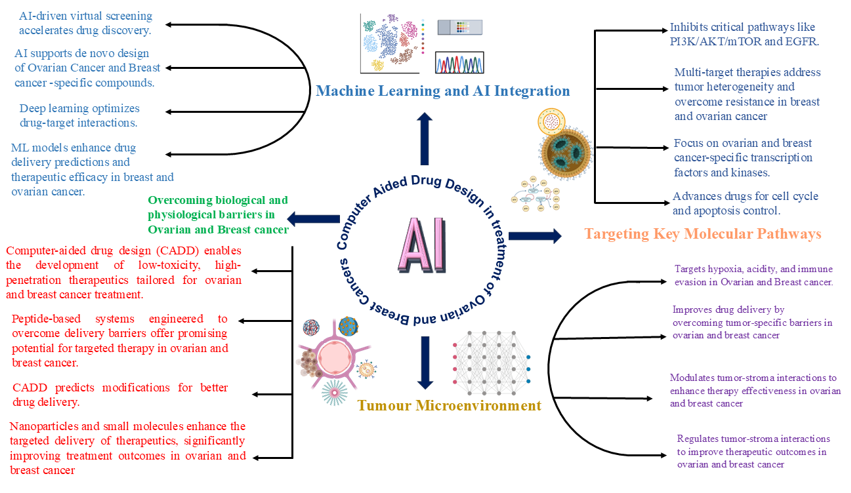
Figure 1 Key applications of computer-aided drug design (CADD).
Pharmacophore modeling has been extensively applied in ovarian and breast cancer research to design novel molecules efficiently targeting cancer cells. Pharmacophore-based virtual screening has been adopted in designing inhibitors targeting critical proteins, such as MMPs and HDACs, involved in metastasis in ovarian and breast cancer.39 Inhibitors are designed to tightly bind to the active sites of targets and effectively permeate tumor tissues. In breast cancer, epigenetic alterations significantly contribute to tumorigenesis, and pharmacophore modeling has been used to design inhibitors targeting epigenetic regulators like HDACs and DNA methyltransferases (DNMTs). These inhibitors are designed to selectively target the isoforms responsible for tumor growth, thereby reducing the risk of off-target interactions and toxicity. Some of these inhibitors have shown promise in preclinical models and are advancing toward clinical trials.40
QSAR models are used extensively in CADD to predict the efficacy, selectivity, and toxicity of potential drugs. In ovarian and breast cancer drug discovery, QSAR models have been pivotal in predicting the interactions of drugs with targets such as estrogen and progesterone receptors in breast cancer and PI3K/AKT pathways in ovarian cancer.41 Examples include the design of analogues of Tamoxifen, a well-known estrogen receptor modulator, whose ability to block estrogen receptor signaling with minimal resistance mechanisms in breast cancer cells can be optimized. Recently, machine learning has actually improved QSAR models such that a researcher can predict not only how a compound may work but also its safety profile. This is very useful in the discovery of CDK4/6 inhibitors for breast cancer, in which QSAR models can pick up compounds that possess high anti-tumor activity with minimal off-target toxicity. QSAR models can also predict unwanted systemic side effects. In fact, QSAR models were highly instrumental in optimizing drugs like Axitinib, a VEGF inhibitor, for reduction of systemic toxicity. More studies extended QSAR models into compounds to surpass the ovarian and breast cancers, especially due to HER2 and estrogen receptor mutation-based mechanisms of resistance.42
MD simulation reveals how the dynamics of biological behavior would unfold under various situations in molecules. It optimizes ovarian and breast cancers through drug candidate optimization to show higher affinity binding and better stability for efficiency in drugs. They have been very useful in optimizing kinase inhibitors targeting signaling pathways that are very important for cancer cell survival and proliferation, like PI3K/AKT/mTOR and MAPK pathways.43 These simulations aid in the determination of critical drug-target protein interactions, which allow further structural modification to enhance specificity of the drug and reduce off-target effects. MD simulations also play a key role in the optimization of the stability of drugs in the body. They are employed to optimize the chemical structure of drugs like Marimastat, an MMP inhibitor, to increase its half-life, improving therapeutic outcomes. Such insights have proven essential in advancing molecules through preclinical and clinical stages.44 Table 345-61 describes the different application of CADD for ovarian and breast cancer therapy.
|
Approach |
Application in ovarian/breast cancer research |
Key targets/examples |
CADD role |
References |
|
Molecular docking |
Predicts optimal binding orientation of drug molecules with cancer targets |
BRCA1/BRCA2: Mutations in breast and ovarian cancer |
Identified PARP inhibitors (e.g., Olaparib, Talazoparib) for targeting BRCA-mutant tumors |
45 |
|
HER2: Overexpressed in breast cancer |
Docking studies revealed HER2 inhibitors (e.g., Lapatinib, Tucatinib) |
46 |
||
|
VEGFR: Angiogenesis pathways in ovarian cancer |
Designed VEGFR inhibitors (e.g., Cediranib) for anti-angiogenic therapy |
47 |
||
|
Pharmacophore modelling |
Identifies essential molecular features for drug-receptor interactions |
Aromatase: Estrogen synthesis in hormone receptor-positive breast cancer |
Developed selective aromatase inhibitors (e.g., Letrozole) |
48 |
|
MMPs (Matrix Metalloproteinases): Promote cancer invasion |
Identified MMP inhibitors with improved selectivity and BBB penetration |
49 |
||
|
Ligand-based drug design (LBDD) |
Finds active compounds based on known ligands |
ERα/ERβ (Estrogen Receptors): Targets hormone-driven breast cancer |
Identified next-gen SERMs (e.g., Bazedoxifene) for ER-positive cancers |
50 |
|
VEGFR: Vascular endothelial growth factor receptor |
Designed VEGFR inhibitors (e.g., Pazopanib) for anti-angiogenesis |
51 |
||
|
QSAR modelling |
Correlates chemical structure with biological activity |
PARP inhibitors: DNA repair pathways in BRCA-mutant cancers |
Optimized PARP inhibitors with improved activity |
52 |
|
Aromatase inhibitors: Estrogen-dependent tumors |
QSAR modeling to predict aromatase inhibition potency |
53 |
||
|
Drug resistance: Predicts mechanisms of chemotherapy resistance |
Designed drug analogs to overcome cisplatin and paclitaxel resistance |
4
|
||
|
Molecular dynamics (MD) simulations |
Simulates protein-ligand interactions over time to assess stability |
HER2 inhibitors: Overexpressed in breast cancer |
Optimized binding stability of HER2 inhibitors (e.g., Trastuzumab derivatives) |
54 |
|
Platinum compounds: DNA crosslinking in ovarian cancer |
Improved stability and targeting of platinum-based compounds |
55 |
||
|
Artificial intelligence (AI) and machine learning (ML) |
Enhances prediction and discovery of novel drug candidates |
Multi-omics data: Identifies biomarkers for personalized therapy |
AI-driven discovery of novel drug targets for ovarian and breast cancer |
56 |
|
Drug resistance: Predicts resistance mechanisms |
ML models to design resistance-mitigating therapies |
57 |
||
|
Virtual screening |
Screens large compound libraries for promising drug candidates |
PI3K/AKT/mTOR inhibitors: Dysregulated pathways in breast and ovarian cancer |
High-throughput screening identified novel inhibitors |
58 |
|
Platinum resistance: Novel targets for overcoming resistance |
Virtual screening revealed small molecules targeting resistance pathways |
59 |
||
|
Lead optimization |
Improves drug properties (binding, pharmacokinetics, safety) |
Taxanes (e.g., Paclitaxel): Standard chemotherapy for breast and ovarian cancer |
Optimized derivatives with enhanced solubility and reduced toxicity |
60 |
|
Multi-target inhibitors: Targets multiple cancer pathways |
Designed compounds inhibiting both HER2 and VEGFR for synergistic effects |
61 |
Table 3 Computational approaches in breast and ovarian cancer therapy
Artificial intelligence (AI) and machine learning (ML) have revolutionized CADD by accelerating drug discovery for ovarian and breast cancers. These technologies assist in screening vast chemical libraries, identifying new drug candidates, and optimizing existing therapies.62 AI-driven models, including deep learning algorithms, are used to predict drug-target interactions and uncover novel inhibitors with high binding affinity for targets such as estrogen receptors in breast cancer or PI3K in ovarian cancer. Machine learning models significantly enhance drug design by predicting compounds most effective for ovarian and breast cancer treatment. For instance, AI-based methods have optimized the design of novel inhibitors for HER2-positive breast cancer. The method is more targeted and efficient compared to the traditional method. Deep neural networks assess the selectivity and activity of compounds against specific cancer targets, thus saving time and reducing the cost of drug discovery.63 The new AI-based generative models, like VAEs and GANs, are used to design molecules with improved pharmacokinetic properties. Optimizing lead compounds is also a promising area through reinforcement learning algorithms, iteratively refining drug structures based on real-time feedback from simulations and preclinical data.64
Ovarian and breast cancers are significant therapeutic challenges because of drug resistance, tumor heterogeneity, and the difficulty in delivering drugs effectively to target cells. Traditional drug discovery methods are resource-intensive and time-consuming, making drug repurposing via CADD an efficient alternative. By utilizing existing drugs that are already well-characterized for safety, drug repurposing reduces the time and cost of developing effective treatments.65 It will allow the interaction of drugs in use with novel targets in ovarian and breast cancers, revealing compounds missed in earlier times but now are found to be active against a specific pathway. This could involve estrogen receptors, HER2, or PI3K. Researchers have already shown that drugs, which are normally used as antidepressants, antivirals, or antimalarials, may now have utility against ovarian and breast cancers. Indeed, some show novel mechanisms of action, potentially offering complementary treatments to traditional anticancer drugs.66 Recent CADD studies broaden the spectrum of repurposed drugs for ovarian and breast cancers from the traditional anticancer agents, targeting compounds capable of overcoming drug resistance and targeting a critical pathway involved in cancer cell survival and proliferation. The success of CADD in repurposing drugs for ovarian and breast cancer depends on its ability to identify compounds that effectively target tumor cells and provide therapeutic benefits with reduced off-target effects.67
The development of nanocarriers for the targeted treatment of ovarian and breast cancers has greatly been achieved through the usage of CADD. Among several key challenges in cancer therapy is the effective delivery of the therapeutic agents to the tumor site with maximum inhibition of side effects in healthy tissues.68 The optimisation of design and performance in nanocarriers will be adequately accessed through CADD, which seeks to fine-tune properties like size, surface modifications, drug encapsulation efficiency, and controlled drug release profiles. This would ensure better targeting and bioavailability at reduced systemic toxicity. Thus, it has significant value especially in ovarian and breast cancers, considering the problems of drug delivery and resistance. CADD has significantly contributed to optimizing different nanocarriers that facilitate the delivery of chemotherapeutic agents. Examples include liposomes, polymeric nanoparticles, dendrimers, micelles, and nanogels, each of which have been designed with improved drug delivery through various physiological barriers to tumor sites in the context of overcoming problems related to multidrug resistance and heterogeneity seen within ovarian and breast cancers.69
For example, liposomal formulations such as Doxil, which encapsulate doxorubicin, have been computationally optimized using molecular docking and molecular dynamics simulations to enhance the drug's release profile and minimize off-target toxicity.70 Such studies focus on enhancing the pharmacokinetic properties of liposomes, including circulation time and tumor-targeting ability, by modifying surface properties (e.g., PEGylation) to evade immune detection and enhance passive targeting through the enhanced permeability and retention (EPR) effect. Similarly, polymeric nanoparticles and micelles have been developed for chemotherapy as well as targeted therapy. In fact, paclitaxel-loaded polymeric nanoparticles have been optimized using the computer-aided drug design methodology for improvement in stability, precise control of release, and minimization of side effects in ovarian and breast cancer therapies. Targeted therapy-based drug delivery using HER2-targeting micelles has also offered promise for the delivery of drugs specifically to HER2-positive breast cancer cells. Recent investigations have shown the effectiveness of CADD in enhancing nanocarriers targeting efficiency against ovarian and breast cancers, as those shown for other cancers, such as GBM.71 Optimization through CADD is inevitable in such drug delivery systems in the improvement of delivery across biological barriers like blood-tumor for the case of breast cancer metastasis or lymphatic drainage for ovarian cancer.72
In ovarian cancer, where metastasis to peritoneum poses a major concern, CADD has been explored to modify the nanocarrier surface charge and drug release profile with the aim of deep tissue penetration and prolonged release at the site of the tumor. Computational models like QSAR modeling, molecular docking, and molecular dynamics have been used for the modification of nanocarriers for targeted delivery to specific markers of ovarian cancer cells like folate receptors or specific integrins. For breast cancer, where tumor heterogeneity and resistance to treatment often limit the efficacy of chemotherapy, CADD has been used to design nanocarriers capable of delivering drugs more efficiently and overcoming drug resistance. Nanoparticles designed to deliver both chemotherapy agents and targeted antibodies, such as Trastuzumab for HER2-positive breast cancer, are optimized using CADD techniques to improve the efficacy of combination therapies.73
Recently, breakthroughs in ovarian and breast cancers have resulted from CADD regarding nanocarrier design. pH-sensitive nanocarriers have been engineered for site-specific release of the therapeutic agent into an acidic microenvironment, common for many tumor types. In addition, nanoparticles were engineered to release their drugs according to changes in the pH. Localized delivery was achieved in response to these nanoparticles at the target site of cancer with fewer side effects systemic throughout the body.74 Fei et al.,75 developed pH-sensitive mesoporous silica nanoparticles (MSNs) for the encapsulation of chemotherapy agents such as Temozolomide (TMZ). By using CADD, the surface charge and drug release kinetics were optimized, leading to better tumor penetration and controlled drug release that reduced systemic toxicity while enhancing efficacy. While this research focused on GBM, similar approaches have been successfully translated to ovarian and breast cancer therapies. A relatively newer innovation is the ultrasound-activated piezoelectric nanoparticles, synthesized using molecular dynamics simulations and optimization through CADD, which activates the immune system in the tumor microenvironment. This new form of immune-based cancer therapy could be a very promising approach, combining chemotherapy and immunotherapy, to enhance the immune response against cancer cells.76
Ultrasound-activated nanoparticles are also showing some promise in improving therapeutic outcomes for ovarian and breast cancers. Lipid-based nanocarriers have also been optimized for theranostic applications, reviewed by Kaur et al.,77 which exemplifies the design of nanoparticles by CADD to have enhanced drug delivery capabilities. The carriers optimized using QSAR modeling and molecular docking simulations will provide therapeutic as well as diagnostic potential, thereby opening up doors for personalized treatment. Such strategies not only improve drug delivery but also monitor the effectiveness of the treatment, leading to more targeted and effective interventions.
In the near future, the ongoing optimization of nanocarriers for ovarian and breast cancer therapies with CADD has great promise. The future of nanomedicine in cancer therapy is to improve drug delivery specificity, reduce resistance, and break through biological barriers such as tumor heterogeneity. AI and machine learning will be integrated into CADD workflows and speed up the discovery of novel nanocarriers and enhance their clinical performance. Nevertheless, it is a long way to translate the advancements of computation into clinical success. Cancer biology, especially in metastatic breast and ovarian cancers, is so complex that nanocarriers must be continually optimized for effective targeting with minimal toxicity. There is a great need for computational scientists, oncologists, and pharmaceutical companies to work together to overcome these challenges and push nanocarrier-based78 therapies forward for ovarian and breast cancers.
Ovarian and breast cancers are highly complex and heterogeneous, making them challenging to treat using traditional drug discovery methods, which are often single-target therapies. These cancers are characterized by multiple genetic mutations, dysregulated signaling pathways, and variations in tumor biology between patients, as well as within individual tumors. Such complexities make it difficult to develop effective treatments using conventional methods. Network pharmacology is emerging as the solution to such challenges, with a systems-level understanding of the diseases by integrating computational biology, bioinformatics, and cheminformatics to study the intricate interactions between genes, proteins, and other biomolecules.79 Network pharmacology allows for the identification of hub targets- key proteins or molecules within complex signaling networks that play pivotal roles in tumor progression and resistance to treatment. By targeting these hubs, network pharmacology aims to overcome the intrinsic resistance of tumors such as ovarian and breast cancer, which usually are responsible for treatment failure using traditional single-drug therapies. This could also provide insights in combination therapies targeting multiple points in signaling pathways in cancer that will initiate more effective treatment schemes against drug resistance.80
Network pharmacology application in ovarian and breast cancer: the application is in the mapping of disease networks that are involved with PPI, signaling pathways, and genetic networks of cancer cell proliferation, metastasis, and survival. In silico simulations can be made by considering the impact of the perturbation of specific nodes in these networks. Therefore, this helps identify the impact of targeting particular proteins or pathways on the whole process of tumor progression. Moreover, this kind of approach permits the re-positioning of repositioned existing drugs by new molecular targets useful for the cure of ovarian as well as breast cancer.81 These days, reports have shown significant results from application of network pharmacology in recognizing new targets and associations of therapy toward ovarian and breast cancers. For instance, the PI3K/AKT/mTOR pathway, EGFR, MAPK, and JAK-STAT pathways are very critical in cancer cell proliferation and survival. The pathways have been extensively studied by network pharmacology to identify the potential therapeutic targets and inhibitors of these pathways, which are mostly deregulated in ovarian and breast cancers, causing tumor growth, metastasis, and resistance to treatment.82
One example is using network pharmacology in conjunction with molecular docking simulations to find cancer multi-target therapy. Such integration has been made to map signaling pathways like PI3K/AKT, MAPK, and EGFR responsible for the progress of the tumor by building a PPI network derived from public sources and key proteins involved in them. Molecular docking then applies its use to screen through compounds that could bind to these targets, such that discoveries of compounds are made which could disrupt their crucial signaling or actual tumor progression.83 Network pharmacology has been applied in this area of drug repurposing, for instance, on the analysis of the EGFR and JAK-STAT signaling pathways where FDA-approved drugs may be repurposed for ovarian and breast cancer treatment.84 This incorporation of network pharmacology into machine learning enables scientists to estimate the drugs' potential efficacy and safety profiles, thus leading to less time-consuming and inexpensive treatments. Yet another recent study used network pharmacology with high throughput screening to identify potential natural compound leads directed at critical pathways in ovarian and breast cancer.85 This approach involved constructing networks of cancer-associated genes and proteins, focusing on pivotal regulatory nodes such as TGF-β and Wnt/β-catenin pathways. Simulating the effects of inhibiting specific nodes in these pathways, researchers identified compounds with multi-target effects, which could be instrumental in developing combination therapies to improve treatment efficacy and overcome resistance.86
As applied to ovarian and breast cancers, multi-target therapy has emerged to be a therapeutic strategy for coping with adaptive resistance. Tumour cells grow resistant to such single-agent therapy over time that requires the treatment with drugs directed at multiple pathways simultaneously. Therefore, according to network pharmacology, investigators can design anti-cancer medicines that are anti-multi-target that can interfere at several crucially important signaling nodes, which possibly make the treatment go better.87 For example, the simultaneous combination of PI3K/AKT/mTOR with EGFR inhibition may provide stronger anti-tumor effects in both ovarian and breast cancers. However, as it continues to expand, network pharmacology has very promising potential to develop personalized therapies targeting multiple proteins in ovarian and breast cancer patients. It is going to allow clinicians to map complex disease networks and identify pivotal targets that will be able to help them design better treatment regimens tailored to the specific molecular characteristics of a patient's tumour.88
Despite all this, translating the findings into clinical practice will pose significant challenges: complexity of tumor biology, precision drug delivery systems, and very high cost of research and development. Despite these challenges, network pharmacology will likely serve as the bedrock for most cancer therapies going forward by incorporating a more integrative and holistic approach to discovering drugs.89 Targeting multiple pathways involved in cancer progression and predicting the effectiveness of combination therapies with computational tools, network pharmacology can revolutionize the treatment of ovarian and breast cancers, improving survival rates and quality of life for patients.86
The convergence of network pharmacology and nanotechnology through CADD offers a promising avenue for developing multi-targeted cancer therapies. Network pharmacology enables the identification of hub proteins and critical signaling pathways such as PI3K/AKT/mTOR, EGFR, and JAK-STAT that are simultaneously dysregulated in breast and ovarian cancers. Once these targets are mapped, CADD tools facilitate the rational selection or de novo design of small molecules or biologics that can act on multiple nodes within these networks. These therapeutic agents are then incorporated into nanocarrier systems such as liposomes, polymeric nanoparticles, or micelles optimized in silico for parameters including particle size, surface charge, drug release profile, and ligand functionalization for tumor-specific targeting. This integration not only enhances drug accumulation at tumor sites via active and passive targeting but also overcomes delivery barriers posed by the tumor microenvironment. Such strategies exemplify how integrating network pharmacology-guided target discovery with CADD-driven nanocarrier optimization can yield next-generation, multi-targeted therapeutics for complex malignancies like breast and ovarian cancers.90,91
Despite the significant progress made in Computer-Aided Drug Design (CADD) to develop therapies for ovarian and breast cancer, several key challenges remain in order to exploit its full clinical potential. This is mainly driven by the biological complexity of the cancers, current limitations in the methodologies of CADD, and technical constraints imposed by overcoming significant barriers to drug delivery.92 However, the fast development of new technologies continues to pave the way for more efficient, personalized treatments for ovarian and breast cancer. Ovarian and breast cancers are highly heterogeneous, consisting of multiple genetically distinct subpopulations of cancer cells. These subpopulations often have unique mutations and altered signaling pathways that promote tumor growth and survival. Intertumoral heterogeneity does not make it easy to determine the existence of a single-target drug that would efficiently treat the whole tumor mass. In addition, intratumoral heterogeneity complicates matters because distinct mutations and signaling pathways can exist within different regions of a tumor.93 Thus, drugs effective against one subpopulation of cells might not impact others and can often result in drug resistance and failure in treatment. In the case of breast and ovarian tumors, a dynamic TME comprising immune cells, stromal components, and tumor cells is involved. This supporting microenvironment can help in creating resistance to drugs through cellular adaptation and protection of the tumor against the therapeutic agent. The hypoxic core is also another barrier that is characteristic of these tumors, just as it is of brain tumors; this will affect drug penetration, especially with systemic treatments. The use of CADD approaches to design targeted inhibitors that intervene on the specific constituents of the TME, including inhibitors of angiogenesis or matrix metalloproteases, continues to provide the main obstacle: these systems are so highly dynamic.94
Adaptive resistance mechanisms in ovarian and breast cancers include the overexpression of compensatory pathways or mutations in tumor suppressor genes (e.g., BRCA1/2 in breast cancer) that permit cancer cells to bypass the targeted effects of these therapies.95 While CADD may be used to predict potential resistance mutations and help in the design of next-generation inhibitors, the full spectrum of resistance mechanisms that prevail in clinical settings remains challenging. One of the key challenges in the treatment of ovarian and breast cancer is the poor delivery of drugs to the tumor site. Most of the drugs designed by CADD are lacking in proper physicochemical properties to permeate through the biological barriers that include the endothelial lining and cellular barriers of the tumor tissue. Especially, in many small-molecule drugs, the penetration to the dense stroma or vascular barrier that defines the TME in ovarian and breast cancer could be insufficient.96 Techniques of CADD, like pharmacophore modeling and QSAR analysis, are commonly employed for predicting and optimizing drug candidates to improve better penetration into a tumor and improve their bioavailability, though high specificity and efficacy and efficient delivery present significant challenges. Many drugs that are potent in vitro fail to demonstrate efficacy in vivo due to limited tumor penetration and drug uptake in tissues. Moreover, while nanoparticle-based drug delivery systems offer promise, translating this into clinical practice remains complex. The main barriers to drugs entering the tumor are physical ones, but even after overcoming these, penetration is often limited by rapid efflux by P-glycoprotein (P-gp) and Breast Cancer Resistance Protein (BCRP).97 Inhibitors of these pumps have been developed to increase the retention of drugs in the tumor, but these will also protect normal tissues and are likely to increase the risk of toxicity. CADD techniques may help in the designing of molecules as efflux pump inhibitors; however, there is a big challenge still lying in between: the therapeutic efficiency and toxicity.98
Though molecular docking and pharmacophore modeling of CADD techniques have revolutionized the drug discovery process, still these techniques suffer from several technical limitations. In this aspect, it remains a serious limitation in ovarian and breast cancer.99 The interaction dynamics of small molecules and their target proteins are often underrepresented in conventional molecular docking algorithms, which can result in inaccurate predictions of binding affinity, especially when the targets are dynamic or have multiple binding sites due to mutations in oncogenes such as HER2 in breast cancer or BRCA1/2 mutations in ovarian cancer. In addition, virtual screening and the use of large chemical libraries to discover new drug candidates with high specificity and efficacy can be expensive and time-consuming.100 The need for more computational power and data resources further adds to the expense of using CADD for drug discovery in ovarian and breast cancer therapies. In addition, molecular docking approaches are based on static snapshots of protein-ligand interactions that do not reflect the dynamic nature of conformational changes within proteins during the binding of drugs.101 This is particularly important in ovarian and breast cancer targets where mutations often cause dynamic binding sites that change drug binding affinity. Although advancements in molecular dynamics simulations (MD) have permitted the study of these dynamic interactions, MD simulations are highly computationally expensive and have not yet been wholly incorporated into high-throughput drug discovery workflows for ovarian and breast cancer.102 Accurate prediction of drug resistance is one of the further challenging abilities for CADD in ovarian and breast cancer. While CADD can predict common resistance mutations, especially those involving targeted therapies (e.g., HER2 resistance in breast cancer or PARP inhibitors resistance in ovarian cancer), the emergence of rare mutations or complex resistance mechanisms remains difficult to predict.103 Machine learning algorithms have shown promise in improving the predictive power of CADD for drug resistance, but much more work is needed to refine these models. Such advancements in the prediction of resistance mechanisms by CADD will be key in designing next-generation inhibitors that would overcome these challenges in ovarian and breast cancer therapy.104
Despite the challenges, CADD technologies remain promising solutions in overcoming these hurdles in ovarian and breast cancer therapy. New machine learning algorithms, improved methods for high-throughput screening, and enhanced molecular dynamics simulations will provide a more profound recognition of the intricacies involved in cancer biology and lead to more efficient delivery with drugs.105 Secondly, the CADD-driven multi-targeted therapies can address the heterogeneity among ovarian and breast cancers and pave the way towards personalized treatments, overriding drug resistance and enhancing patient outcomes. The future of CADD in ovarian and breast cancer treatment lies in the integration of new computational strategies with experimental validations and clinical trials, ensuring that the promising in silico predictions can be successfully translated into effective therapies for patients.106
Despite the challenges currently faced in applying Computer-Aided Drug Design (CADD) for ovarian and breast cancer therapies, there is considerable promise for overcoming these limitations in the future. The integration of emerging technologies such as artificial intelligence (AI), machine learning (ML), new drug delivery systems, and gene-editing technologies will play a crucial role in revolutionizing drug discovery for these cancers.107 AI and ML are transforming CADD by enabling the analysis of vast biological and chemical datasets with much greater precision. For ovarian and breast cancers, deep learning models can accurately predict drug-target interactions by analyzing genomic and proteomic data. This integration of AI and ML will enable a more personalized treatment approach, wherein drugs can be designed or repurposed based on the unique molecular and genetic characteristics of individual patients.108 AI-based models are also being applied to predict the efficacy of new drug candidates, taking into account the specific mutations and resistance mechanisms present in ovarian or breast cancer cells, thereby improving treatment outcomes. As these technologies evolve, AI and ML will also aid in designing drugs with optimal permeability across biological barriers and minimal toxicity, making them more effective for tumor-specific targeting.109 This capability will be critical for overcoming the current limitations faced in delivering drugs to tumors, such as drug resistance or tumor heterogeneity. One of the major challenges in ovarian and breast cancer treatment is overcoming the tumor microenvironment (TME) and delivering drugs effectively to the tumor cells. Nanotechnology-based drug delivery systems are emerging as promising solutions to enhance drug delivery and precision targeting. By encapsulating therapeutic agents within nanoparticles, liposomes, and polymeric micelles, these systems can be designed to cross physiological barriers, including the stroma and dense tissues found in ovarian and breast tumors, and deliver drugs directly to the cancer cells.110 These systems can also be engineered to target specific areas within the TME, such as tumor-associated macrophages, angiogenesis factors, or immune checkpoints, further enhancing the effectiveness of the CADD-designed therapies. Computational models are being developed to predict the stability, biodistribution, and drug release profiles of these nanocarriers, helping to optimize their design for more efficient and targeted treatment.111
The development of gene-editing technologies, such as CRISPR-Cas9, is opening exciting new avenues for targeting genetic mutations in ovarian and breast cancer. Historically, CADD focused on designing small-molecule drugs, but gene-editing technologies provide the potential to directly modify oncogenic mutations in cancer cells.112 For example, CRISPR-based therapies could be used to correct mutations in BRCA1/2 genes (particularly in breast and ovarian cancers), thereby halting cancer progression at the genetic level. CADD tools are being adapted to optimize the design of guide RNAs for CRISPR therapies, ensuring high precision and minimizing off-target effects. Such strategies could provide permanent, targeted treatments, offering a significant advancement over current therapies that typically offer temporary remission or may not be effective due to tumor heterogeneity. Personalized medicine is the future of ovarian and breast cancer treatment. With the advent of next-generation sequencing and bioinformatics, it is now possible to map the genetic and molecular profiles of individual tumors. CADD will play a crucial role in designing drugs tailored to these unique mutations, enabling more effective and targeted therapies. For instance, in breast cancer, CADD has already been used to identify and target specific mutations such as HER2 amplification, BRCA mutations, or PIK3CA mutations, which are important therapeutic targets.113
Similarly, ovarian cancer therapies could be tailored to mutations in the BRCA1/2 genes, PI3K/AKT/mTOR pathways, or TP53 mutations. As new targets are identified, CADD will continue to uncover novel druggable targets, allowing for precision therapies that are adapted to the individual patient's tumor. An exciting future opportunity for CADD in ovarian and breast cancer treatment is the integration of biomarkers into the drug discovery process. Biomarkers can provide critical insights into how a patient’s tumor will respond to specific treatments, allowing for the use of drugs with the highest predicted efficacy. CADD will help rapidly identify biomarker-drug pairings and accelerate the development of personalized therapies that are both more effective and less toxic.114 For example, in breast cancer, tumor gene expression profiles or the presence of specific biomarkers, such as ER/PR (estrogen/progesterone receptors) and HER2, can guide treatment decisions. For ovarian cancer, biomarkers like CA-125 or BRCA mutations can help predict patient response and guide drug selection.115 CADD can expedite this process by integrating biomarker discovery with the design of corresponding targeted therapies, improving treatment outcomes and reducing the trial-and-error aspect of chemotherapy.116 The future of CADD in ovarian and breast cancer therapy holds immense promise, with emerging technologies such as AI, ML, nanotechnology, gene-editing, and biomarker-driven personalized medicine reshaping the landscape of drug discovery. These advances will enable the design of more precise, targeted, and personalized therapies that are tailored to the unique genetic and molecular profiles of individual tumors. While challenges remain, the rapid pace of innovation in computational and experimental methodologies suggests that CADD will be a cornerstone of future therapeutic strategies for ovarian and breast cancer, leading to more effective treatments with fewer side effects.117
In conclusion, the future of ovarian and breast cancer treatment is poised for significant advancements, driven by the integration of innovative technologies like Computer-Aided Drug Design (CADD), artificial intelligence (AI), machine learning (ML), gene-editing techniques, and personalized medicine. Despite the challenges posed by tumor heterogeneity, complex microenvironments, and drug resistance, these emerging strategies offer promising solutions for overcoming current limitations. AI and ML enable precise drug-target predictions, while nanotechnology-based drug delivery systems enhance the specificity and effectiveness of treatments by targeting the tumor microenvironment and improving drug bioavailability. Gene-editing technologies like CRISPR provide new opportunities for directly modifying cancer-causing mutations, offering the potential for more permanent and targeted therapies. The future of CADD also includes the integration of biomarkers to guide personalized treatment strategies, further enhancing efficacy and minimizing toxicity. As these technologies continue to evolve, they hold the potential to transform ovarian and breast cancer care, making treatments more precise, individualized, and effective, ultimately improving patient outcomes and quality of life.
None.
All authors contributed equally. All authors read and approved the final manuscript.
None.
The authors declare that there are no conflicts of interest.

©2025 Kawadkar, et al. This is an open access article distributed under the terms of the, which permits unrestricted use, distribution, and build upon your work non-commercially.