Journal of
eISSN: 2373-6445


Review Article Volume 16 Issue 5
 Hong-Ying Wu
School of Life Sciences, Shanghai University, China
Correspondence: Da-Yong Lu, School of Life Science, Shanghai University, Shanghai 200444, PRC, China
Received: July 30, 2025 | Published: September 8, 2025
Citation: Da-Yong L, Hong-Ying W. Human suicide, molecular framework. J Psychol Clin Psychiatry. 2025;16(5):176-183. DOI: 10.15406/jpcpy.2025.16.00829
Background: Suicide is still a biologically mystery process that can cause high rate of human mortality (1.3%) worldwide. The complex risk factors for behavioral or ideational change have great healthcare consequences and huge socioeconomic burden worldwide.
Situation and knowledge: Influenced by complex risk factors, clinical suicide prevention and treatment progress needs ever-changing disease diagnosis and supportive biotechnology. Bridging the gap between molecular knowledge and suicide behaviors has great medical or pharmaceutical importance. Medical knowledge between east and west is compared and integrated.
Recent results: Fortunately, an accelerate of neurobiology and psychopharmacology advances makes suicide treatment and intervention growing practical and manageable. Neural-psychiatric evidence and association profoundly impacts on the outcomes and efficacy of suicide prevention and therapeutics. The complex nature of human suicide (a hybrid and overlapping for genetics, epigenetics, transcriptome, proteomics, metabolomics data) is well discovered in different types of psychiatric diseases and outlook of neurobiology (brain anatomy, chemistry and functionality).
Discussion: Immediate medical success (molecular targeting and curative therapies) in the clinic will be based on high-quality pharmaceutical study and biomedical progresses (achieving long-lasting and low toxic drugs or biotherapies). Certainly, a great deal of neurobiological and neuropsychiatry treatment study can create new hope for clinical strategies and paradigms for human suicide.
Conclusion: Next generation of clinical suicide prediction, pharmacology and therapeutic landscapes will be developed in the near future.
Keywords: Human suicide, neural pathogenesis, psychopharmacology, molecular targets, suicide prediction
Epidemics analysis for suicide behavior
Suicide has high human deaths worldwide. Approximately 1.3% of human mortality is present among all case of suicide events worldwide.1 The rates of suicidal behaviors and deaths vary between gender, age and geographic location. The mortality rates also vary for suicide methods (gas, rope, gun or others) as well as personal condition.
Among male adolescence or youth persons (14-28 years old) in western countries, human suicide death is the first-ranking cause for human mortality.2 One example, male retirees (>80 years old) who have poor economics show double rates of human suicide behaviors than normal ages.3 Unfortunately, human suicide is difficult to predict by genetic or molecular diagnosis biotechnology of current levels.
Currently, therapeutic paradigm is depending on systems of psychoanalysis or neuropsychiatry.4–8 Given a slow pace of suicidal biology knowledge accumulation, more useful therapeutics should be based on knowledge sharing and exchanging between west and east.
Initial medical knowledge
Knowledge development for human suicide is difficult to obtain in history. Many different patterns of medical knowledge have been kept until now. They can guide our quest and creation for new diagnosis, techniques and therapeutics. Historic progresses are discussed in the following sectors.
A long historic records (recording for more than two thousand years in history) of human suicide were discovered in literatures.9–12 Nonetheless, medical association was not given until 1600.12 Until now, little pathogenesis definition and specific drugs for suicide in the clinic can be traceable. Genetic information and molecular clues should be boosted. After these efforts and exploration, theranostic paradigm establishment can be seeked for human suicide countermeasures.
Medical associations
Current concept of human suicides
Accumulated events suggest that human suicide behavior is not impulsive and random. It is possibly a disease-related process. After two decades of persistence analysis, many different types of human diseases are associated.13–18 To attain management gains, it should first know the complex natures of suicide (etiological features, pathogenesis cascade and therapeutic linkage). However, this kind of scientific researches should be translated onto genetic, molecular or multiple-omics discoveries in molecular diagnosis.
Different disease symptoms and categories have been associated with human suicides. Among these different diseases, mental disease and physical disability are mostly linked with co-morbidity in general population.18
Based on this co-morbidity discovery, molecular clues of other diseases were greatly targeted. Mental health problems are major sources of therapeutics in west. Psychiatric modality and framework of therapies were emerged latestly. (Figure 1)
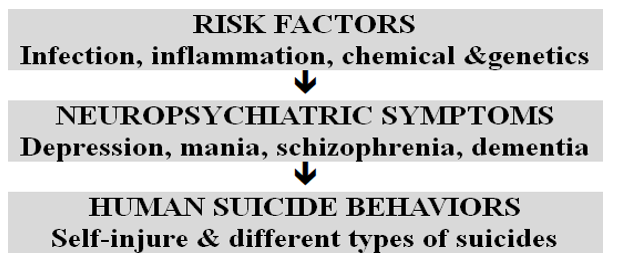
Figure 1 Current knowledge for different suicide modalities.
Anti-psychiatric drugs can alleviate psychiatric symptoms and reduce rate of suicide.13–23 Apart from a small number of anti-psychiatric drugs, drug licensing and application in the clinic has a long way to go. Patho-therapeutic relation between causality and therapeutics should translate in future medical or pharmaceutical developmental pipelines.1–8
Psychoanalysis
Currently, suicide prediction is widely based on clinical symptoms and behaviors. Molecular biology study, neurobiology and psychopharmacology blueprint (genetics and cerebral anatomic approaches) is growing emphasized more recently. Tentative and consistent articles have been reported among researchers, psychiatrists and clinical doctors for symptom association between suicide and psychiatric diseases.13–18
To update knowledge, several biological foundations between genetic predisposition, molecular dysfunctions, neural circuitry disconnection will be evaluated by drug targeting in statistically significant manner. Based on biological studies, variable risk factors would be identified in the future.17 In this article, suicide prediction and prevention in molecular bases are addressed.
Comorbid factors
Presently, we could not investigate human suicide without property evaluative systems. Co-morbidity is the best approach and vehicle for human suicide study until now because many other treatments for mitigating the symptoms and prognosis of other diseases (co-disease) can possibly reduce suicide rates and mortality meanwhile.
Human suicide has multiple risk factors in the clinic. (Table 1) Theranostic investigations have been made. Treatment for co-morbidity seems more effective than outside risk factor avoidance and control.
|
Originality |
Future diagnostics |
Therapeutics |
References |
|
Mental disorders |
Genetics/molecular/image |
Drug or brain surgery |
9 |
|
Chemical exposure |
Brain damage |
Exposure control |
16 |
|
Viral infection |
Brain inflammation |
Vaccine or drugs |
26 |
|
Long physical handicaps |
Constant suffering |
Pain-killers or others |
25 |
|
Cognitive impair |
Decision-making deficit |
Targeted drugs |
24 |
Table 1 The linkage between suicide events and co-morbidity
Since many suicidal mortality exists in rich countries, financial conditions should not be over-emphasized. Otherwise, poverty ease is not easy to do globally. Etio-pathological integration (biological and environmental interaction) seems more relevant for drug developments and clinical therapeutics. It is thus well accepted that co-morbidity treatment may reduce the suicide events, behaviors and mortality.
Molecular mechanisms
Biological mechanisms for suicide
Apart from higher ratio, suicide and mental disorders are often life-long. The regular treatment for mental diseases is a big burden to the society. Since human mental health problems and suicide show many identical signs, molecular mechanisms between them should be compared.
Bad experience may trigger suicide or self-harm. Psychiatric trauma should be therapeutic targets. Drug develop pipelines against trauma is a modern challenge. To overcome this modern challenge, clinical evidence and pharmacological targets should be growingly accumulated.
Different dimensions of mental disorders
Several types of psychiatric diseases are strongly associated suicide. Mental disorder diagnosis and drug selection for suicide patients requires experienced psychiatrists who must deeply understand major aspect of human mental diseases (at least two to three year clinical experiences). Only correct diagnosis of disease dimension can increase therapeutic efficacies and outcomes in the clinic. Diagnosis and treatment innovation is the main avenue for therapeutic progress in suicide prediction and management.
Different categories of diagnostic systems
Major psychiatric diseases, such as autism, schizophrenia, mood disorders and neurodegenerative diseases are strongly linked to suicide. Different diagnostic systems have various properties and drug selection of disease categories.24–26
Since mental diseases are chronic, curable therapeutics is still a medical dream. Curative drug development needs genetics and molecules of origins.27–35 However, the understanding of molecular mechanisms of suicide is difficult for modality establishment. Thus, mental health problems are analyzed in different levels in Table 2.
|
Psychoanalysis |
Neurobiology |
Molecular technology |
|
Cognitive Behavior Emotional Risky-decision Social processing ability Language problem Intelligent disability Mood disorder |
Genetics (400-1000 genes) Genetic polymorphisms Molecular characterization Different cellular types Neural circuits & axis Cerebral location Brain anatomy Electroencephalogram |
Biomarkers Genomics Proteomics Metabolomics Whole-exome-seq Glyco-conjugates Microarray Chromatography |
Table 2 Different categories of human suicide-related diagnosis
Psychoanalysis is review and treats patients from outside sign (behavior changes). This pattern of clinical trials was challenged by modern technology (architecture of genome, epigeneme, proteome, transcriptome and metabolome). Yet, molecular diagnosis and treatment in a system of inside data and information. Growing number of doctors and psychiatrists seek such diagnostic and therapeutic supports of both inside and outside information.27–30 Combination and integration of both inside and outside information is obviously better than those of one system.
Comparison between psychoanalysis and molecular diagnosis
Integration of psychoanalysis with molecular diagnosis has much to improve. Neuronal diseases (psychiatric disorders) are first choice for the study of suicide diagnosis, prevention and treatment. Two systems for suicide diagnosis are both knowledge diversity and mutual benefiting. Overlapping and integration of two diagnostic systems will translate unto personalized medicine (PM) in the clinic. Diagnostic overlapping and integration may change the status and infrastructure of current diagnostics and drug selection (PM) for human suicide.
At present, little knowledge and technology has been solidated in molecular bases (genetic and molecular pathways in molecular aberration and cascade). Neural biology is a bridge to link two systems. Inter-phase between suicidal risks, events or victims versus sequentially biologically aberrant process are boundless resources for in depth analysis. Mapping the relationship between molecular diagnosis and therapeutic selection may possibly enhance suicide prediction, prevention and management in the future. They are detailed in Table 3.
|
Risk symptoms |
Diseases dimension |
Molecular targeting |
|
Low mood |
Schizophrenia |
Amyloid-beta plaques |
|
Diurnal mood variation |
Major depressive disorders |
Dopamine |
|
Insomnia and early awaking |
Dementia |
Serotonin |
|
Lack of interests & energy |
Intelligent disability |
Tau protein |
|
Poor concentration |
Cholinesterases |
|
|
Weight loss |
Lewy body |
|
|
Memory decline |
Mood disorder (mania) |
Metal (Ca, Zn and Mg) |
|
Alzheimer’s disease |
||
|
Parkinson’s disease |
|
Table 3 Diagnostic systems from psychiatric risks to molecular aberration
Psychiatric diseases
Currently, human suicide prediction and treatment is based on suicide rates and events).31–35 However, major difference between psychiatric diseases and suicide in molecular biology is new frontlines for therapeutic translations. Yet new biological system and technology is still emerging and incomplete. Insights into suicide risk factors, neural biology, molecular biology (biological pathways and treatment) in the future should be explored.
Neurobiology study in molecular bases
Fundamental neurobiology
Today, origin, pathogenesis and therapeutics of suicide is still associated with human brains (central nerve system, CNS). Without fundamental knowledge of molecular biology in brains, the targeted therapy cannot be progressed in the clinic. Molecular diagnosis is based on medical hypothesis and new technologies.36–42
Correspondingly, advancing knowledge of neurobiology should be life-long career for many researchers. In the past, this world was lack of solid foundation for molecular targeting and drug development for human suicide.
To transit suicide theranostics, neurobiology study is indispensable. Drug development pipelines should be continually progressed. From complex psychiatric systems and molecular systems, technical innovations are the key for moving forward. To simplify neuropsychiatric models, real-time and non-invasive diagnosis should be popularized in the clinic. As a result, large quantity of neurobiology characters and molecular data must be simplified first. To meet the requirement of this trend, human suicide study should be focused on genetic and molecular domains (objective data and discovery). Among these medical topics, following molecular targets should be noticed.
Neural transmitters
Neural transmitters (chemicals, neucleatide or peptides) are major targets for managing psychiatric behaviors and pharmacotherapeutics.38–42 In the past, drug developments has been applied on fields of mental disease onset and progress.
Currently, one of the simplest and best-known models for neuropsychiatric diseases is exemplified as alteration of neural transmitters, such as dopamine and serotonin. For examples, dopamine is linked to human reward machinery (cognitive);42 Decreasing dopamine levels may lead to neurodegenerative diseases. Yet, increasing levels of dopamine in brain may lead to schizophrenia, pathological gambling and hypersexual activity. However, serotonin pathway is linked with human emotional activity (anxiety—aversion); changes in serotonin levels may correlate with human depression and suicide. (Table 4)
|
Neurotransmitters |
Neuronal diseases |
|
Dopamine |
Schizophrenia, gabling & hypersexual |
|
Serotonin |
Depressive diseases & emotional activity |
|
Acetylcholine |
Alzheimer’s diseases & general neural activity |
Table 4 Associations between neurotransmitters and disease categories
Suicide-associated genes and techniques
Human gene is the fundamental issue of many human diseases (onset and progress). Genetic exploration of different psychiatric disorders is fruitful. Approximately 400-1000 human genes link to different psychiatric symptoms and disorders.43,44 About 40 such genes are associated with human suicide. The biological complexity of human genes and mutual activity makes neuropsychiatric knowledge study in early stage. The medical and technical advances in this respect may welcome new pharmaceutical breakthroughs.45–54
Currently, a lot of single human genes are statistically insignificance in early reports. Yet they are frequently presented in patients for co-morbidity. To improver this statistical problem, genome wide association study (GWAS) data in bigger volume is an indispensable trend.49
Technical advances and new algorithms will facilitate these researches and knowledge accumulation for biomedical study. Certainly, neuroscientists will be benefited from these large-scale genomic projects and new diagnostic technology in clinical trials.
Molecular aberration for cognitive impaired diseases
Cognitive deficit can easily induce weird behaviors—including human suicide. Several psychiatric diseases (schizophrenia, Alzheimer’s disease and other dementia symptoms) are deeply associated with human cognitive impairments. In these patients, several aberrant molecules are widely found, such as amyloid-beta, tau proteins and lewy body.50–53
Image technique highlights
Apart from molecular technology, brain image technology was advancing rapidly, especially after the brain anatomic and neurobiological investigations.54 Nowadays, human physiological activity and disability can be reflected and investigated via following pathway.
Several areas of human brains (different cerebral location, neural circuitry, peripheral cell types and inflammatory factors) can be effectively evidenced by diagnostic and therapeutic updating. This investigating diagram is based from non-invasive data to large-scale therapeutic study.54–58
To facilitate the distribution and exchanging of biomedical knowledge and technology, high-resolution brain image data associated with suicidality should be supported, including mathematical or computational efforts. Major breakthroughs in areas of human suicide and psychiatry can be achieved by initiating investigations on human brain anatomic and molecular biology.
Diagnosis updating
Diagnostic advances
Until now, three different types of diagnostic parameters and systems (psychoanalysis, neurobiology and molecular biology) can be utilized for human suicide prediction.54–58 By systematic comparison between three patterns of diagnostics, new information and knowledge of different suicide causations may be discovered. Advantageous and weaknesses of different diagnostic systems can be optimized by information or data integration (multiple parameters). Checklist of psychoanalysis, neural biology and molecular biology is compared between neuropsychiatric diseases and human suicides. Genetic or molecular-based diagnosis can partly improve the drawbacks of psychoanalysis in clinical evaluation (Figure 2).
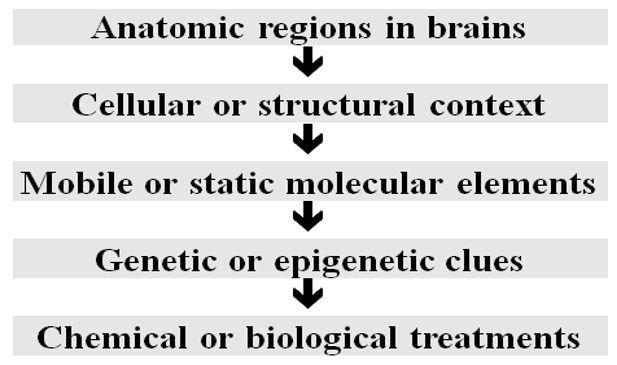
Figure 2 Neurobiological domains for human suicide formation and treatment.
Comparing suicide and mood disorder, patient’s symptoms are very similar (self-deny and risk-taking). This is whether future study should be made.13,14 Neurobiology and molecular biology study can provide more knowledge to promote suicide prediction, prevention and managements between psychiatric diseases and human suicide.
The suicide prediction and diagnosis progress is outlined in Figure 3.
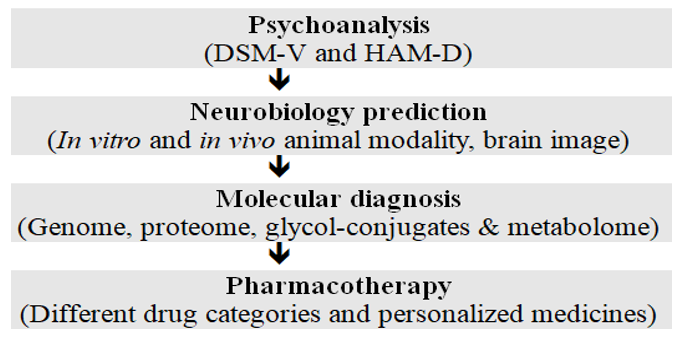
Figure 3 Scientific pathways for establishing diagnostic and therapeutic paradigms.
Molecular association
Diagnostic-therapeutic relation for human suicide must familiar with neurobiology and clinical psychiatric symptoms. To attain this goal, deepening molecular biology knowledge is a possible approach. Enriched genetic or molecular data and information for therapeutics and drug development will be seen in future. (Figure 4)
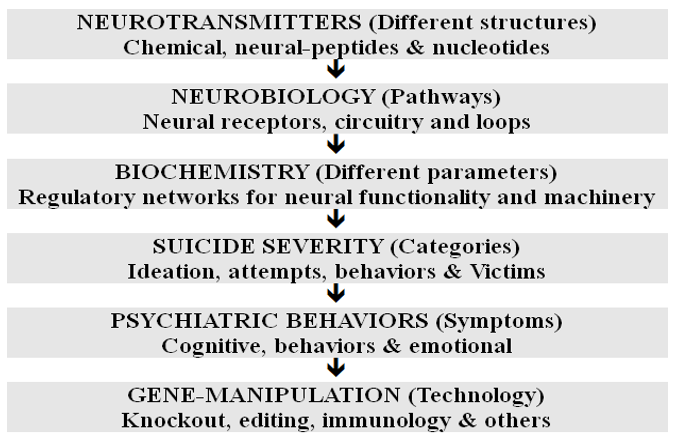
Figure 4 Biological linkage between neural functions, psychiatric abnormality and suicide.
Therapeutic modality and paradigms
Molecular frameworks for drugs
Drugs for suicide are preliminary now. To change this situation, molecular theranostics is paramount. From molecular diagnosis, effective drug selection and licensing will be helpful. Neural-associated drugs and clinical selection may be more potency in the clinic.54–58 This type of biomedical study is obviously promising and as a future trend. (Table 5)
|
Disease causality |
Molecular targets |
Drug categories |
|
Neurotransmitters |
Emotional & movement |
Antidepressant, levodopa & other |
|
Aberrant molecules |
Tau, amyloid-beta & others |
Biotherapy, Alzheimer’s disease |
|
Cerebral fluids |
Oxidative stress, inflammation |
Plant extracts |
|
Peripheral cells |
Microglia & lymphocytes |
Growth factors & nano-drugs |
Table 5 Molecular targeting for suicide
CNS drug number ranks in the 4th in licensing of the US.59 Its medical significance is beyond doubt. However, it is far from clinical requirement of high-quality suicide managements. Wide-spectra anti-suicide drugs should be developed. Nonetheless, chemotherapeutic drugs were not well chosen in the clinic for their efficacy and economic consideration. At present, experience is the major way and factor for drug selection in the clinic. Many new pharmaceutical disciplines should be extensively investigated, especially long-term and curative drug types. This pharmacological trend of targeted drug development may continue and persistent in the future.
At present, therapeutic drugs against mood disorder or other mental disorders are mainly chemotherapeutic drugs. It is shown that the efficacy of chemotherapeutic drugs is temporally yet incurability. Safety issue is still major factors for drug licensing (possibly less undesired side-effects). To change this scenario, biological therapy might be useful way for drug and therapeutic promotion in the future.
Current targeted therapeutics for suicide
Current targeted therapies for suicide theoretically have different drug categories, such as antibody, stem cells and plant extracts. These different types of drugs can be usefulness in drug combination, targeted treatment and PM in the clinic. (Table 6)
|
Targeted molecules |
Specific inhibitors |
References |
|
Glucogen-like-peptide-1 |
Liralutide |
65 |
|
Amyloid-beta |
Donanemab & others |
60 |
|
Cholinesterase |
Herbal & others |
67–71 |
|
Serotonin |
Antidepressants |
74,75 |
|
Dopamine |
Levodopa |
42 |
|
Tau protein |
Bio-agents |
72 |
|
Peripheral cells |
Multi-therapy |
67-68 |
Table 6 Main therapeutic targets for suicide
Drug selection strategies
Presently, drug selection from psychiatric symptoms is not easy owing to symptom similarity between different mental disorders. Many normal people also feel helpless while facing economic or social shocks. To face with this dilemma, molecular diagnosis is indispensable. After molecular disruption, curability can be expected.60–75
Molecular diagnoses are relatively clear-cut for drug targeting and selection. As we insisted that molecular biological techniques offer new information for psychiatric pathogenesis and drug selection in the clinic. In addition, drug doses and concentration in patient’s blood are also important parameters for therapeutic strategy successes.76
New therapeutic modality
In above-mentioned pathways, it is still not well prediction of suicide formation and suitable symptom management in most cases of clinical trials. Facing with this dilemma, way of traditional medicine in China may be borrowed.
According to law of traditional medicine in China (TM), many human illnesses are caused by emotional instability. The hidden molecular aberrant in human is not enough to create new diseases alone. In context of Chinese medical book, there are recorded of “病由心生” (disease is partly induced by psychiatric health problems),“邪之所凑,其气必虑”. For many disease pathogenesis origins in human bodies, angry is a major risk factor, “气是百病之源” These different remarks and proverbs came from the oldest Chinese medical book (黄帝内经, Huang Emperor’s Medical Book) two thousand years ago. A new modality of human suicide is presented according to above-mentioned processes. (Figure 5)
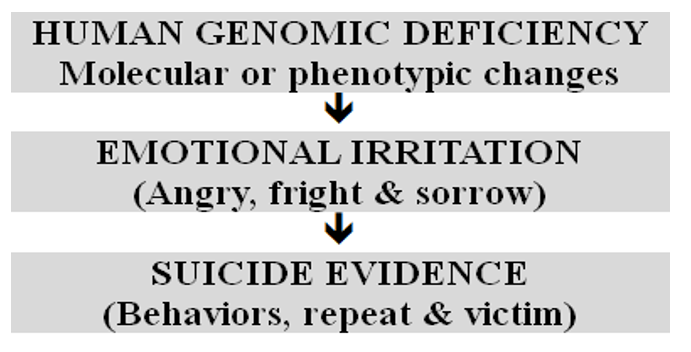
Figure 5 Chinese modality of suicide emergency mechanisms.
Correspondingly to this modality, emotional treatment may be more relevant and play key roles for patients with suicide risks. We suggest two branches of mood therapeutics, Therapeutic pathways for emotional management make them happy or angry.1 Happy feeling that include comedy, talk-show, music, song and favorable sports.2
Angry feeling that may be helpful for suicide reduction by purposed irritation. These emotional treatments combined with targeted drugs may be much more useful than drug treatment alone for suicide reduction in the future.
Supportive methodology
Technical capability
Many cutting-edge biomedical techniques can be introduced in suicide prediction, disease-categorization and drug treatment selection. Pharmacological association study among different types of drugs and therapies may open a new era for suicide and self-injure managements and drug efficacy promotion. Adapting cutting-edge biological techniques such as brain image, gene-therapy, genome-editing, molecular diagnosis, monoclonal antibody or others is meaningful. Emerging techniques in various fields showed potentiality for drug discovery, licensing and applications.77,78 An aggressive policy should be stipulated for safeguard smooth progress of molecular technology.
Mathematics, computation and artificial intelligences
To promote therapeutic and drug treatment efficacy, high-quality data sharing, exchanging and integration is the key for suicide prevention, diagnostics and treatment updating and clinical applications.79–82 Table 7 shows mathematical and computational capability for improving suicide theranostics. This is a long road to travel, yet happen in every hour of the globe. Presently, there is a big surge in mathematical involvement for drug development and licensing.
|
System buildup stages |
Mathematical methodology |
|
Algebra data |
Psychoanalysis and bioinformatics |
|
Descriptive statistics |
Data collection |
|
Inferential statistics and description |
Iterative, matrix |
|
Mode building |
Methodological selections |
|
Drug evaluation data |
Balance and integration |
|
New equation and computations |
Theorem establish |
|
Artificial intelligent |
Association with computers |
Table 7 Layout for computational network and artificial intelligence system in suicide study
Future trend
Futuristic suicide treatment study
Many useful drug targets and mechanisms need to be discovered—like neural transmitter agonist/blockers, reuptake inhibitors, genomic editing, receptor targets, herbal products77 and others. To make such progresses, modern disease diagnosis is the key. From psychiatric signs into broad-domains should be emphasized in the future (Figure 6). It can improve drug selection, therapeutic combination and overall quality of suicide management.
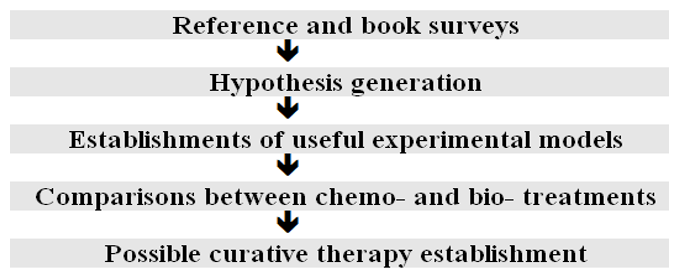
Figure 6 Schematic diagram of curative suicide treatment study in future.
Knowledge breakthroughs
Since many suicide behaviors are chronic, it is difficult to be eradicated by drug treatments. More effective drugs or traditional medicine (TM) will be pursued. Suicide pathological knowledge accumulation, exchanging, integration and distribution can help us to learn more about target therapy that can wisely chose clinical regimes to eradicate suicide ideation and behaviors and/or finally reduce human deaths. To attain this goal, providing curative treatments via molecular studies in the future is the key.83 In addition, psychiatric intervention alongside with drug treatments will be useful in more relevant ways.
In this article, we discuss many faced that possibly link to suicide management and final solution of suicide. Suicide prediction and therapeutics needs new landscapes and visions.84 In search for new therapies, neuropharmacological base study shows great potential. After all, solid public healthcare basis and knowledge of suicide-related studies will emerge.
None.
None.
Authors declare there is no conflicts of interest with other institutes and academies.

©2025 Da-Yong, et al. This is an open access article distributed under the terms of the, which permits unrestricted use, distribution, and build upon your work non-commercially.