International Journal of
eISSN: 2574-9862


Research Article Volume 9 Issue 2

Department of Nutrition and Animal Husbandry, University of Veterinary Medicine and Pharmacy, Slovakia
Correspondence: František Zigo, University of Veterinary Medicine and Pharmacy in Košice, Department of Nutrition and Animal Husbandry, Košice, Komenského 73, 040 01, Slovakia, Tel +421-908-689-722
Received: May 02, 2025 | Published: May 15, 2025
Citation: Ozimák S, Farkašová Z, Zigo F. Regenerative breeding of Khaki Campbell Duck. Int J Avian & Wildlife Biol. 2025;9(2):48-51. DOI: 10.15406/ijawb.2025.09.00231
In recent years, there has been a significant increase in interest in small-scale waterfowl breeding in Slovakia. Breeders can choose from both well-known and rare breeds, which are highly diverse. One such breed, although less common in our region, is the Khaki Campbell, which originated in the early 20th century in England. German breeders later improved this breed by incorporating the Orpington duck, resulting in two distinct types - the original English Khaki Campbell and the newer German Khaki Campbell. The aim of this study was to increase the population of unrelated individuals of the German Khaki Campbell breed by using English-type Khaki Campbell drakes. This method of crossbreeding is referred to as regenerative breeding. For the khaki coloration, only specific genes are required. The color is produced by the combination of the recessive Mallard gene and the recessive chocolate dilution gene, which together create the typical khaki shade. These genes are linked to the Z sex chromosome, meaning that drakes have two (ZZ) and hens have only one (ZW). During the regenerative breeding process, we developed new insights into the dominant and recessive genes responsible for khaki coloration in both types. We confirmed that the yellow gene from the Orpington duck lightens the wild feather pattern. The findings obtained in this study may be useful for future breeding and propagation efforts.
Keywords: duck breeding, regenerative breeding, Khaki Campbell
The second domesticated species of waterfowl, following the domestic goose, is the domestic duck. All duck breeds, with the exception of the Muscovy duck, are descended from the wild mallard (Anas platyrhynchos), which has a typical genetic profile (Figure 1). This duck prefers aquatic environments, especially during the mating and nesting seasons, and displays noticeable sexual dimorphism in plumage coloration. The mallard lays olive-green eggs and is commonly found throughout Asia, Europe, and other regions due to its migratory nature.1 The Muscovy duck, by contrast, originates from the wild Muscovy duck (Cairina moschata), which is native to the Americas. It is a terrestrial species that is an excellent flyer and often nests in trees. Muscovy ducks have black plumage and lack feathers on their face, which is instead covered by red, warty skin.1,2
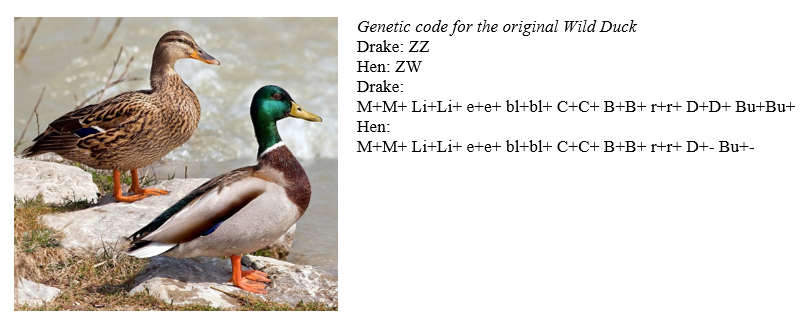
Figure 1 Sex Chromosomes of wild mallard ducks.
Note: Gene Explanation - M: Restrictive / mallard / dusky; Li: Light phase / harlequin; E: Extended black; Bl: Blue / apricot; C: Recessive white; B: Recessive bib; R: Runner pattern; D: Chocolate dilution; Bu: Buff dilution.
In recent years, it has become popular among small-scale breeders due to its low-maintenance nature, not requiring a water source, and its relatively quiet vocalization, which sensitive neighbors appreciate. It can be crossbred with other duck breeds in the F1 generation, but the offspring are sterile. Domestic Muscovy ducks are mostly white, although some individuals are spotted or black.3 Beyond the Muscovy duck, a wide variety of domestic duck breeds offer diverse traits and breeding potential, appealing to both hobbyists and commercial keepers alike.2 Ducks are not only important for the ecosystem but are also popular due to their delicious meat and healthy eggs. Breeders can choose from both well-known and rare breeds, which are highly diverse. One of these breeds, although less represented in central Europe region, is the Khaki Campbell, a breed that originated in the 20th century in England. German breeders refined the breed by using the Orpington duck, resulting in two types of this breed – the original English Khaki Campbell and the new German Khaki Campbell. The genetics of waterfowl, including individual genes, their mutations, and combinations, is still a largely unexplored topic.4
The goal of this work was to increase the number of unrelated individuals of the German Khaki Campbell breed by using English Khaki Campbell drakes. This type of crossbreeding is called regenerative breeding. This breeding method achieved its purpose, providing new insights and theories that can be applied in waterfowl breeding and in the education of breeders.
Exterior and utility of Campbell Ducks
The Campbell duck is divided into two types: the English and the German type.
English type Campbell Duck
The breed was developed by breeder Adele Campbell in Gloucestershire, England, in the early 20th century and was recognized as a new breed in 1910. The breeding included Indian Runner ducks and Orpington ducks.1,4 A smaller genetic contribution comes from Rouen ducks and wild ducks. From the Runner ducks, the Campbell ducks inherited their upright posture and high egg production, while the Orpington ducks contributed good meat quality and coloring. Campbell ducks were successfully commercially bred in small-scale farms and are now raised both as utility and ornamental ducks.5 The overall appearance is defined as follows: the male has a green beak, green-brown head, brown-bronze neck, and a dark back and tail. The female has a khaki color with wild markings and a green beak. The weight of the male is 2.5–3 kg, and the female weighs 2–2.5 kg. Breeding faults for this breed include a yellow to pinkish beak, white feathers on the neck or chest, and lack of wild-type markings in females. The eggs are blue and weigh around 70 grams. The laying capacity is approximately 300 eggs per year (Figure 2).6
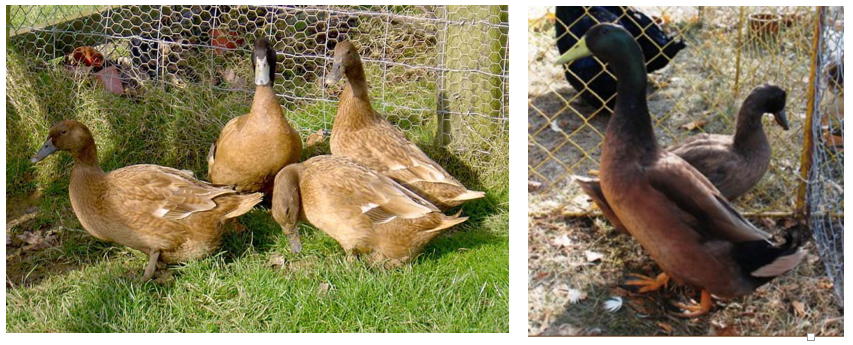
Figure 2 English and German Type Campbell Duck.
Source: BWA7 and KVD8
German type Campbell Duck
German breeders used the English type Khaki Campbell and crossed it with the Orpington duck to enhance body size, reduce the wild markings, and improve egg production. The ideal appearance of the German type Campbell is a productive type - slightly built, but sturdy, with a partly upright posture and lively temperament. The weight characteristics are 2.5–3.0 kg for the male and 2.0–2.5 kg for the female. The body is elongated, well-rounded, with a high carriage. The back and lower body lines should run almost parallel. The back is long with a nearly straight line. The chest is full, well-developed, and slightly raised. The abdomen is well-developed, but not hanging. The head is appropriately sized, well-rounded with a slight rise to the forehead and dry cheeks. The beak is medium in length, straight, and not wide. The neck is medium length, slightly curved, thin at the top, and gradually thickening downwards, blending smoothly into the chest.9,10
The wings are tightly fitting, covering the back well. The tail should flow smoothly with the back line or be only slightly raised. The shanks are covered in feathers. The legs are of medium length, and the male is taller than the female. The leg color depends on the color variety. The plumage is smooth and fitting.11,12 The most commonly bred color type is dark brown, also known as khaki. The basic color of the duck is a dark khaki with a reddish tint, which should be balanced and firm. The dark brown head has a matte greenish shine, which extends to the neck. The wing mirror is velvet brown, and the more matte it is, the better the quality of the animal. It should not have a steel-blue or green shine. The tail cover and tail shield have the same color as the head. The undercoat is cream-colored.12
Acceptable variations include lighter tips on the primary wing feathers, a darker patch on the shoulders, and weak silver-gray spots around the cloaca and on the sides of the body. Male legs are orange. Both males and females should have bright, clear eyes ranging from hazel to dark brown, with darker being preferred. Khaki ducks and drakes have a greenish beak, with dark coloration being more valuable. A less common color variation is white. The feathers must be pure white, with the skin also being white. The feet can range from orange to light pink, and the eyes are dark gray-blue.10 Disqualifying faults for breeding characteristics include too straight a body posture, a keel, excessively high or low stance, light eyes, or the presence of other color traits in the plumage. The laying capacity is approximately 140 eggs, weighing about 65 grams. The eggshell color is white to greenish. However, the laying capacity is often much higher, with figures ranging from 180 to 360 eggs. English sources report an average laying capacity of 300 eggs (Figure 2).12
Breeding conditions and ducks selection
The breeding facilities intended for duck keeping provide a sufficiently large, well-ventilated space that is also protected from drafts and contains dry bedding. The original breeding line was established in the autumn of 2022, with a ratio of 2 drakes to 2 ducks. The ducks were housed in a wooden aviary with an area of 3 m². The breeding individuals were placed in an enclosure with an adequate water area, which is particularly important during the mating season, as mating predominantly occurs in the water.
For the purposes of the study the following crossing scheme was used (Figure 3). In first phase of crossing we used 2 female ducks of the German Khaki Campbell type and 2 male ducks of the English Khaki Campbell type as part of regenerative breeding (Figure 4). In the second phase, the first generation, after selection (Figure 5), was used as the parental line, consisting of 2 drakes and 6 hens for the next generation. From the F2 generation, female ducks were selected, and an unrelated male drake of the German Khaki Campbell type was chosen for further breeding (Figure 6).
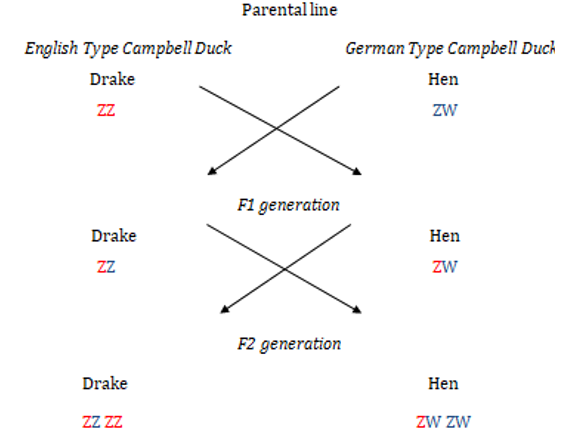
Figure 3 Crossing scheme of English and German type Campbell Duck.
Source: Ozimák S. (2022).
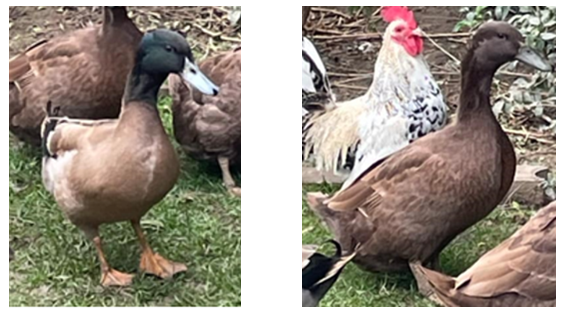
Figure 4 Khaki Campbell English Drake and Khaki Campbell German Duck used in breeding.
Photo: Ozimák S. (2022).
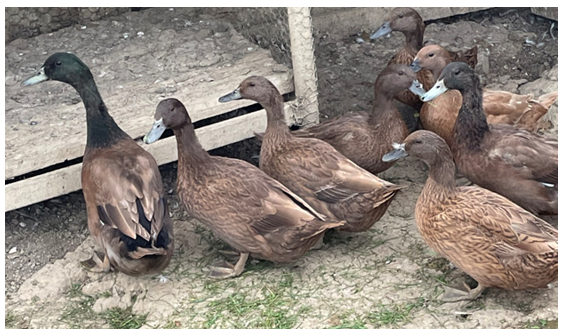
Figure 5 First generation of offspring.
Photo: Ozimák S. (2023).
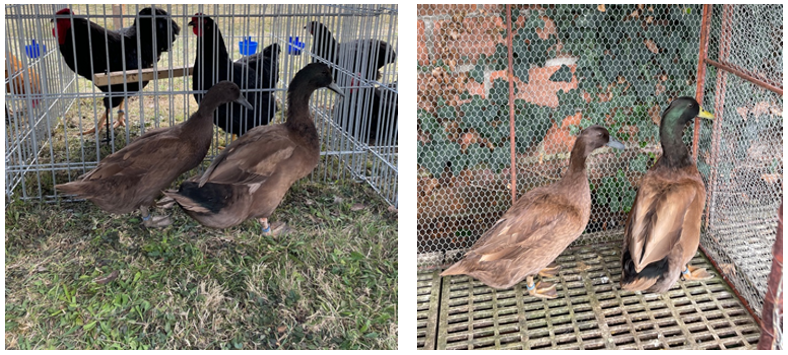
Figure 6 Second generation of offspring.
Photo: Ozimák S. (2024).
From the first generation, 2 drakes and 6 ducks were selected and placed in the same enclosure (Figure 5). In the second generation, after selection, 4 ducks and an unrelated drake were chosen. The nesting boxes measured 30 x 30 cm. Straw was used as bedding. The feed ration consisted of wheat and corn. The ducks had constant access to grass.
We decided to use regenerative breeding for this breed due to the small number of unrelated individuals in our region. In the parental line, we used 2 female ducks of the German Khaki Campbell type and 2 male ducks of the English Khaki Campbell type. The goal of this regenerative breeding was to achieve the German Khaki Campbell type. The English and German types differ primarily in their markings. In the German type, the ducks should not exhibit prominent wild markings (such as black spots on brown), and the drakes should be darker with a gradual transition of the green color from the head to the neck.
For Khaki Campbell, we will only need some of these genes. The Khaki Campbell should contain the dusky mallard recessive gene and the chocolate dilution recessive gene. These genes, when combined, create the characteristic Khaki Campbell coloration (Figure 7).
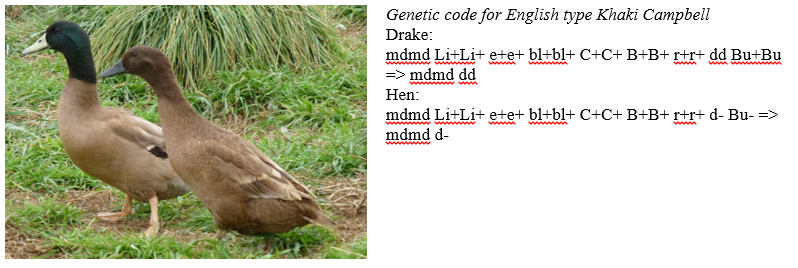
Figure 7 Sex Chromosomes of English type Khaki Campbell.
Note: Mutations: Chocolate and buff dilution mutations are located only on the Z sex chromosome. Gene Explanation - M: Restrictive / mallard / dusky; Li: Light phase / harlequin; E: Extended black; Bl: Blue / apricot; C: Recessive white; B: Recessive bib; R: Runner pattern; D: Chocolate dilution; Bu: Buff dilution.
The German type of Campbell originated from crossbreeding the English type with the Orpington duck (Figure 8). We have not determined the exact genetic code for the German type Campbell, but we know that the Orpington duck has a recessive gene for the buff color (bu-) and a dominant gene for the blue color (Bl). These genes, in combination with other genes, suppress certain markings and lighten parts of the plumage. Therefore, we assume that German type Campbell ducks have suppressed black wild markings on the brown base color typical of the English Campbell or they may have the wild black markings lightened to brown, which is not as noticeable on the brown base color. We proposed a crossing scheme from the parental generation to the second filial generation. The red color represents the gene for the English Khaki Campbell, and the blue represents the gene for the German type. In the first generation, we obtained ducks with a distinct wild marking, resembling the English Khaki type. The drakes, which carried one English and one German gene, resembled the German type more. They were darker than the parents and had a better transition of the green color from the head down to the chest. This led us to the theory that the German Khaki Campbell has a more dominant gene compared to the English one, as this trait was more pronounced in the drakes. The individuals from the first filial generation were used as parents for the second generation after selection. We selected drakes with the largest body frame that most closely resembled the German type in color and markings, and hens with the least pronounced wild markings.
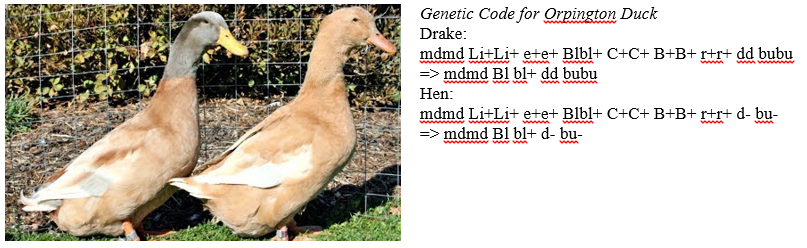
Figure 8 Sex Chromosomes of Orpington type Khaki Campbell.
According to the pre-prepared scheme, we expected to obtain 50% ducks with the German gene, which should not have prominent markings, and 50% ducks with more distinct markings. The drakes were expected to be 50% with one English and one German gene, which would resemble the German type more than in the F1 generation, and 50% with two English genes. The hatched individuals in the drakes were approximately as expected, but a larger number resembled the German type compared to the F1 generation. All hens had much less pronounced markings than in the first generation, and some almost had no visible markings at all. This type of crossing achieved its goal. After strict selection of the individuals, hens without wild markings were chosen for further breeding, and new unrelated drakes of the German Khaki Campbell type were used.
As part of a regenerative breeding program aimed at increasing the number of unrelated individuals in our region, the first generation of ducks exhibited distinct wild-type markings inherited from the English drake's gene located on the Z chromosome. From the mother, they inherited only their sex. The drakes in this generation resembled the German type but carried one English gene (from the drake) and one German Khaki Campbell gene (from the hen). For further breeding, individuals with the fewest markings were selected. In the second generation, the ducks showed significantly fewer markings than those in the previous generation. Individuals from this generation were selected for continued breeding to establish a new line, and an unrelated imported drake was introduced to stabilize the genetic traits of the German Khaki Campbell. We are now awaiting the next generation of Campbells.
Special thanks go to Mr. Erik Konkoly for his consultations on duck genetics.
Authors declare that there are no conflicts of interest.
The study was support by grant KEGA č. 011UVLF-4/2024: Innovation and implementation of new knowledge of scientific research and breeding practice to improve the teaching of foreign students in the subject of Animal Husbandry.

©2025 Ozimák, et al. This is an open access article distributed under the terms of the, which permits unrestricted use, distribution, and build upon your work non-commercially.